Bathroom Tile Colour Tips to Get the Perfect Look

bathroom tile colour tips to get perfect look banner image
Peter Yusuf - March 17, 2025

Understanding Colour Psychology in Bathrooms

The mood of any space is highly influenced by the colour. Each shade evokes a certain emotion and a certain vibe.

If you want to create a serene and calm ambience, cool tones like blue and green are amazing choices. Soft blues can mimic the tranquillity of water, while deeper shades of green can provide a natural, earthy feel, ideal for a refreshing and rejuvenating atmosphere. Explore our range of calming bathroom tiles to achieve this look

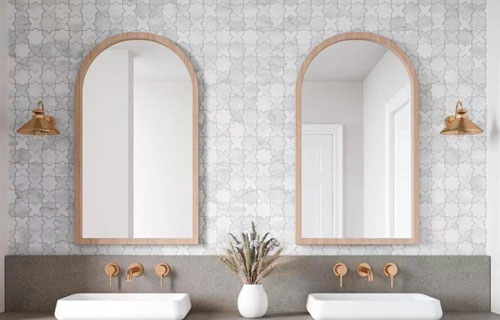
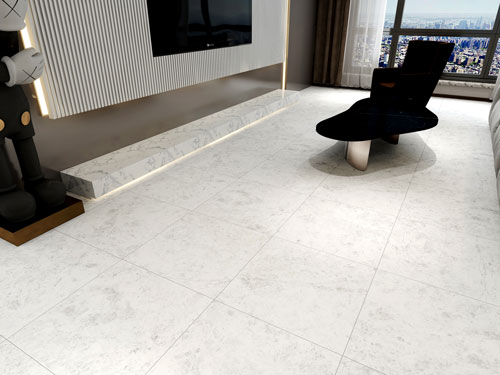
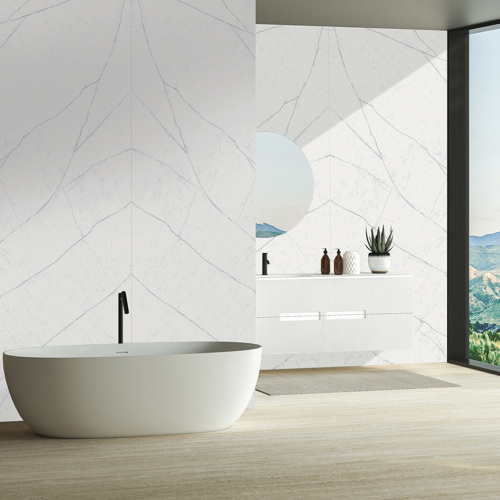
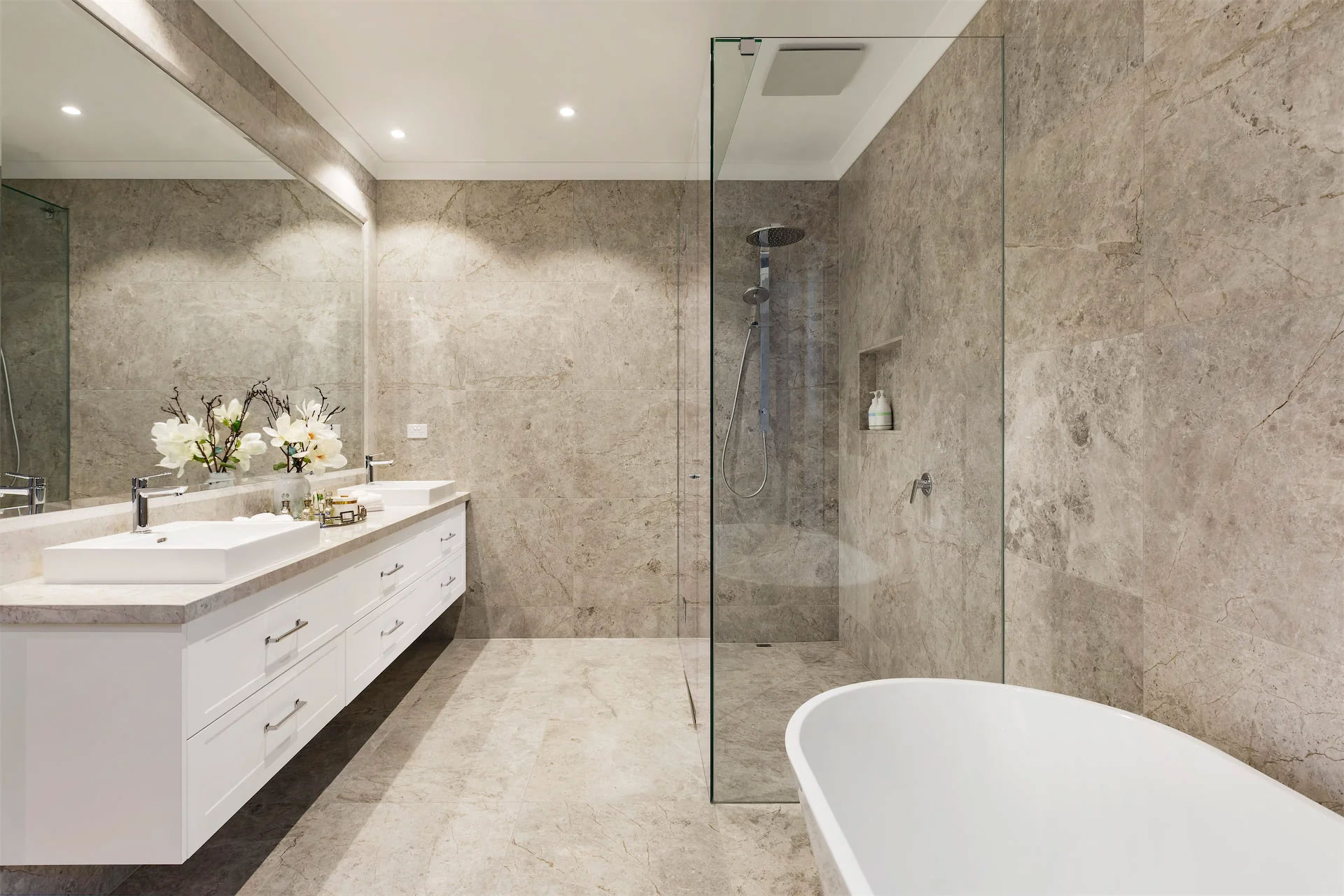
Neutral colours like white, beige and grey give a timeless, sophisticated look. These hues create an airy, clean atmosphere, ideal for both modern and traditional bathrooms. Neutrals also provide a versatile backdrop, allowing you to switch up accessories and decor without worrying about clashing colours.

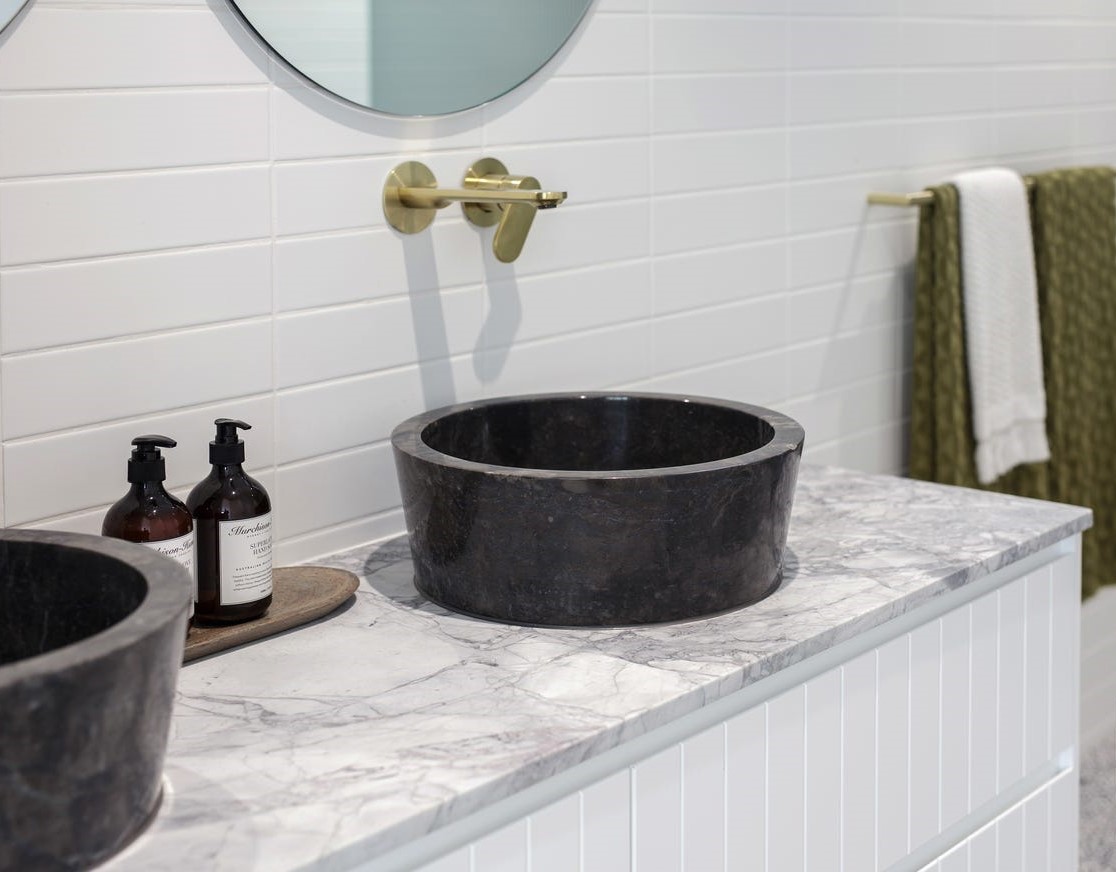
Dark tones like black, deep green  or navy blue add drama and luxury. While they can make a statement, they should be balanced with lighter elements to avoid making the space feel closed in. A black tiled floor or a dark feature wall can create an opulent, high-end feel, especially when paired with metallic accents or marble surfaces.

Warm hues like terracotta, soft peach  or creamy yellows bring warmth and coziness. They are great for adding a welcoming feel, particularly in rustic or Mediterranean-inspired bathrooms. Warm colours can also help balance out cooler lighting, making the space feel more inviting and comfortable.

Understanding how colour psychology influences perception will help you make an informed choice that complements both your style and the function of your bathroom.

Factors to Consider When Choosing Bathroom Tile Colours

Selecting the perfect tile colour is more than just choosing what looks good in the store. Several factors play a role in ensuring the colour works well in your bathroom.

Bathroom Size & Space Perception:

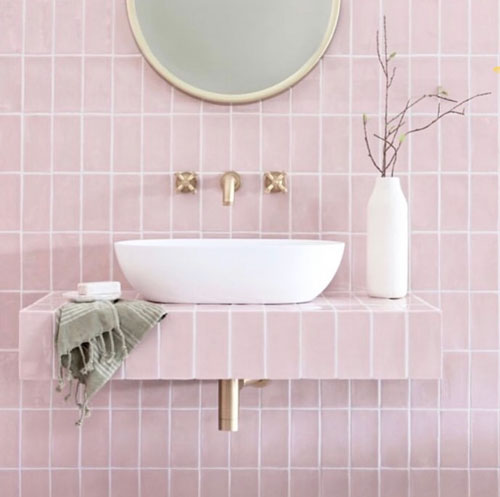
Light-coloured tiles can make a small bathroom feel more spacious, while dark tiles add depth and coziness to a large bathroom. If your space is compact, opting for whites, soft greys  or pastel hues can help open it up. Using glossy tiles can further enhance the illusion of a bigger space by reflecting more light. If you are looking to maximizing small spaces, check out our best tiles for small bathrooms.


Lighting Conditions:

The same tile colour can look different depending on lighting. Natural light enhances the true colour of tiles, while artificial lighting can either warm them up or make them appear cooler. Always test tile samples in different lighting conditions before making a final decision. If your bathroom has limited natural light, lighter-coloured tiles with a reflective finish can help brighten up the space.


Existing Fixtures & Elements:

Consider the colour of your vanity, bathtub and other permanent features. Your tile colour should complement these elements rather than clash with them. A harmonious colour palette creates a more visually appealing and cohesive design. If you have wooden cabinets, earthy tones can enhance the natural warmth, while sleek white fixtures pair well with bold or neutral tiles. Explore our guide to painting bathroom tiles.


Personal Style & Preferences:

Your bathroom should reflect your personality. Whether you love minimalist aesthetics or bold, artistic statements, choose tile colours that resonate with your taste while also being practical. While trendy colours can be exciting, opting for classic hues ensures your bathroom remains stylish for years to come.


Maintenance & Cleaning:

Lighter tiles tend to show less water residue and soap scum, whereas darker tiles might require more frequent cleaning to maintain their pristine look. Matte finishes, while stylish, can also retain dirt more visibly than glossy tiles. To maintain your tiles in top condition, follow our cleaning bathroom tiles and maintenance tips 


Grout Colour & Maintenance:

The colour of your grout plays a key role in the overall look of your tiles. A contrasting grout colour can highlight the shape of the tiles, while a matching grout provides a seamless and uniform look. Be mindful that white or light grout may stain over time, requiring regular maintenance. The right grout colour can make difference. Discover our guide on how to choose the right grout colour.


Long-Term Appeal & Trends:

While trendy colours can be appealing, ask yourself whether they will stand the test of time. If you plan to sell your home in the future, neutral or classic shades are a safer bet. Explore our home decor ideas to decor home with tiles blog.

Best Colour Choices for Different Bathroom Styles

Modern & Contemporary Bathrooms:

Sleek, sophisticated and often minimalistic. Neutral tones like grey, white and black work well, complemented by metallic accents and high-gloss finishes.

Traditional & Classic Bathrooms:

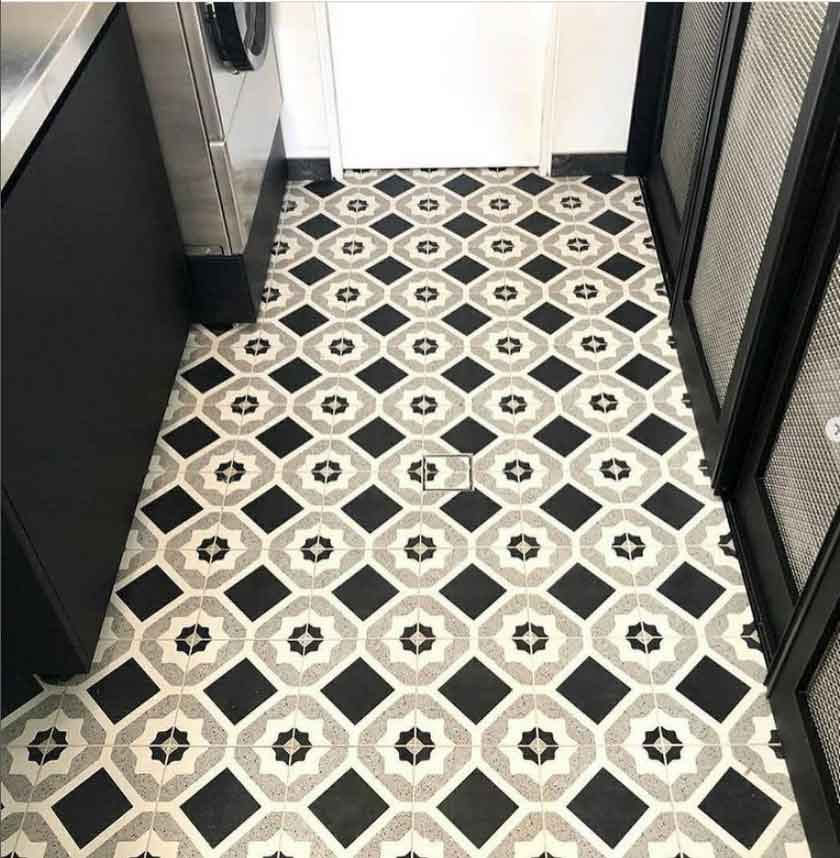
Think soft whites, creamy tones and beige hues. Subway tiles, intricate mosaic designs  or vintage patterns enhance this style beautifully.

Coastal & Beach-Themed Bathrooms:

Soft blues, sandy beiges and seafoam greens evoke a fresh, airy feel. Pairing with natural wood elements enhances the relaxed aesthetic.

Industrial & Rustic Bathrooms:

Charcoal greys, exposed brick tones and earthy hues work best. Matte or textured tiles add depth, while black fixtures complete the look.

Luxury & Spa-Like Bathrooms:

Soft whites, creamy neutrals and subtle pastel blues create a serene, high-end feel. Glossy or polished finishes enhance the sense of luxury.


Explore our Bathroom Tile Ideas to Create Stunning Bathrooms.

The Impact of Tile Finishes on Colour Appearance

When selecting tiles for your bathroom, most people focus on colour first. However, the finish of a tile is just as important because it affects how the colour appears in different lighting conditions and how it interacts with the overall design of the space. The same colour tile can look vastly different in a glossy finish compared to a matte or textured one. Understanding these differences will help you make the right choice to achieve your desired bathroom aesthetic.


Glossy Finish

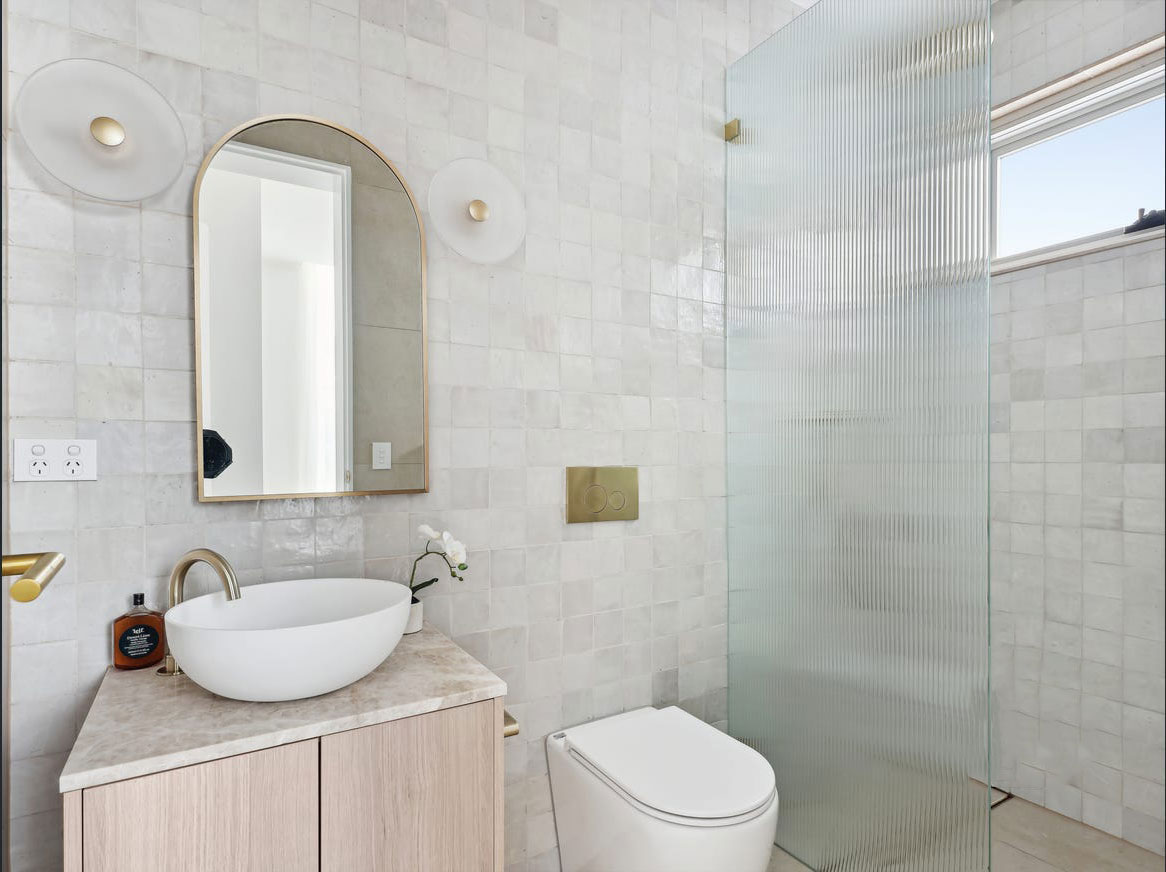
A glossy finish has a highly reflective surface that bounces light around the room, making colours appear brighter, more vibrant and more saturated. This finish enhances the depth of colour, which means that even soft hues can seem more intense when applied in a glossy tile. If you choose a dark tile colour like black, deep navy  or emerald green, a glossy finish will give it a luxurious and almost mirror-like effect, adding drama and elegance to your space. Meanwhile, lighter colours like white, cream  or pastel shades appear extra crisp and luminous, helping to brighten up bathrooms with limited natural light.

One of the greatest benefits of glossy tiles is their ability to create an illusion of a larger space. Because they reflect light so well, they make bathrooms feel more open and airy, which is especially useful in small bathrooms or powder rooms. However, their high reflectivity also means that they can show water spots, fingerprints and smudges more easily, requiring frequent cleaning to maintain their pristine look. Additionally, glossy tiles tend to be more slippery when wet, making them less ideal for bathroom floors, though they work beautifully on walls and shower enclosures to create a sleek and modern aesthetic.


Matte Finish

A matte finish, in contrast to glossy tiles, absorbs light rather than reflecting it. This results in colours appearing softer, more muted and more natural. Instead of a vibrant shine, matte tiles give off a velvety and understated look, making them ideal for those who want a more subtle and elegant bathroom design. Colours in a matte finish tend to feel richer and deeper without the distraction of reflectivity. For example, a charcoal grey or deep forest green in matte will look solid and grounded, while soft neutrals like beige, taupe  or muted pastels will create a warm and inviting ambiance.

Matte tiles are most applauded for their practicality. Because they don’t show watermarks, smudges  or streaks as much as glossy tiles, they require less maintenance, making them a great choice for high-traffic bathrooms. They also offer better slip resistance, making them safer for bathroom floors, especially in wet areas. However, because matte tiles do not reflect light, they can make a bathroom feel darker, especially if the space lacks natural light. If you prefer the look of matte tiles but want to keep your bathroom feeling open and bright, consider using a mix of matte and satin finishes to balance the effect.


Satin or Semi-Gloss Finish

A satin finish falls somewhere between glossy and matte, offering a slight sheen without the intense reflectivity of a full-gloss tile. This finish provides a beautiful balance of richness and softness, preserving the depth of colour while reducing glare. Dark colours in a satin finish appear sophisticated and elegant, while lighter colours maintain their brightness but with a gentler, more diffused glow. If you want a finish that enhances colour without being too overpowering, satin tiles are an excellent choice.

Satin finish tiles are widely getting popular these days because they are easier to maintain than full-gloss tiles, as they do not show water spots or fingerprints as prominently. At the same time, they still reflect a small amount of light, helping to prevent a bathroom from feeling too dark or heavy. Because of this, they work well in both large and small bathrooms, offering a versatile and timeless look. However, satin tiles are not as slip-resistant as matte tiles, so they may not always be the best option for wet bathroom floors. Instead, they are ideal for walls, vanity backsplashes and feature areas where you want a soft sheen without excessive shine.


Textured Finish (Natural, Tumbled  or Brushed)

Textured finishes, such as natural stone, tumbled tiles or brushed surfaces, create an entirely different effect by diffusing light unevenly. Unlike glossy tiles that enhance colour vibrancy, textured tiles often soften colours, making them appear earthier, more organic and subdued. These tiles do not have a uniform sheen, so they create a raw and rustic aesthetic, perfect for bathrooms that aim to have a nature-inspired or handcrafted look.

With textured tiles, dark colours tend to feel rugged and rich, making them ideal for industrial or rustic-style bathrooms. Lighter colours, on the other hand, take on a soft, weathered look, which works well in farmhouse, Mediterranean  or vintage-inspired designs. Because of their uneven surface, textured tiles add a sense of depth and dimension to a bathroom, preventing the space from feeling too flat or sterile.

One of the biggest benefits of textured tiles is their excellent slip resistance, making them a great choice for wet areas such as shower floors. However, they are more difficult to clean than smooth tiles, as dirt, soap scum and grime can settle into the grooves. If you love the look of textured tiles but want an easier-to-maintain option, consider using them selectively—for instance, as an accent wall or shower feature—while keeping smoother tiles for the rest of the bathroom.


Matching Tile Finishes with Bathroom Lighting Conditions

Lighting plays a crucial role in how tile finishes affect colour perception. Bathrooms with plenty of natural light can handle any finish, but matte and textured tiles work particularly well in these spaces since they do not rely on reflectivity. If your bathroom has limited natural light, glossy and satin finishes can help brighten up the space by reflecting artificial lighting. For bathrooms that rely heavily on warm or cool artificial lighting, glossy tiles will amplify the effect of the light, whereas matte tiles may absorb too much of it, making the space feel dim.

Additional Tips for Selecting the Right Tile Colour

Use Samples:

Always take home samples to test under your bathroom lighting conditions.


Think About Future Decor Changes:

Opt for versatile tile colours that can adapt to different decor styles over time.


Mix and Match with Caution:

If you’re using multiple colours, stick to a cohesive theme to avoid visual clutter.


Consider the Mood You Want to Create:

Think about how you want to feel in your bathroom—relaxed, energized, cozy  or elegant—and choose colours accordingly.

All in All,

Selecting the perfect bathroom tile colour involves more than just picking what looks good—it’s about creating a space that feels right. By considering factors like lighting, space perception, colour psychology and long-term appeal, you can design a bathroom that not only looks beautiful but also enhances your daily routine. Whether you prefer timeless neutrals, bold hues  or calming pastels, the right tile colour will help you achieve your dream bathroom effortlessly. Browse out selection of bathroom tiles to find the ideal match for your style and space at Royal Tiles.

Peter Yusuf - Royal Tiles

Peter Yusuf

linkedin

Peter Yusuf is a seasoned Sales and Business Development Manager at Royal Tiles in Sydney, Australia, with a proven track record of success in the global architectural and interior design sectors. With over a decade of experience, he possesses a rich understanding of tile selection and design that has helped countless clients transform their spaces. Peter's expertise spans a wide array of materials and styles, positioning him as a trusted authority in the tile industry.

You May Also Like

March 11, 2025

Terracotta tiles are making a comeback, now more than ever with modern designs, where their history is tied to the charm of ancient flavor. With the ancient heritage of centuries long, terracotta tiles impart warmth and ambience into an area. They are widely known for their durability and versatility, which allows the use of either indoors or outdoors, rendering a unique visual appeal that is eternal and alluring. This guide examines the different ways of incorporating terracotta tiles into your home, whether you are eyeing terracotta roof tiles for refreshing the facade or terracotta floor tiles for beautifying the indoors.

Terracotta tiles also, indeed, present a practical choice. They are durable and should do well in high-traffic areas, preserving their original luster with the right care through decades. Then again, terracotta tiles control a lot of cold hold heat, thus keeping interiors cooler when it is hot and warm when it is cold, maintaining a pleasant living environment along the seasons.

What you get by terracotta tiles is a product that is pleasing in terms of appearance and functional aptness. Therefore, any improvement around the house will be graced with some elegance when terracotta tiles are provided. You can shop terracotta tiles online in Australia at Royal Tiles or visit our largest tile shop in Sydney, Australia. 

March 10, 2025

Herringbone tiles can turn any space into an artistic masterpiece. They inculcate a unique glitz and glamour that is both classy and fun.

Very few tile patterns can do what herringbones can. Amalgamating sophistication and art into one isn’t something easy to achieve after all.

March 05, 2025

If you are looking for something to seal the gaps and joints in tiled surfaces, silicone sealants are your best bet. 

Silicone provides excellent flexibility and waterproofing in areas that are prone to moisture. However, silicone also undergoes deterioration and discolouration over time. Even molds can grow in them. 

If you need to deal with stained, old or excess silicone on your tiles, we will be talking about everything you need to know in this blog.

Call Now