
Best Tiles for Alfresco Areas in Sydney (And What to Avoid)

Large format porcelain alfresco tiles in a covered Sydney outdoor entertaining area with dining table, pool view and built-in BBQ kitchen
Peter Yusuf

There is a particular kind of Saturday in Sydney where the whole day migrates outside. The kitchen stays empty, the sliding doors stay open and the alfresco carries everything: lunch, dinner, the kids, the dog and whoever shows up unannounced. Outdoor spaces here get used hard and they get used often.

So the tile decision actually matters. Not in an overwhelming way. The wrong tile chips, stains or turns slippery in the rain. It bakes hot enough in January that nobody wants to walk on it barefoot. The right tile quietly does its job for years without anyone giving it a second thought.

What follows is a straight-talking breakdown of the best tiles for alfresco areas in Sydney for people who want to make a good decision without wading through advice that could apply anywhere in the country.

Why Sydney’s Climate Demands a Different Approach to Outdoor Tiles

Most tile guides treat outdoor tiling like a universal question. It is not. Sydney has its own conditions that push certain materials harder than others.

The UV intensity here is punishing. Colours fade, sealers break down faster and surfaces that might last a decade in a milder climate start showing wear much sooner. Throw coastal salt air into the mix, which is the daily reality for anyone in the Eastern Suburbs, Northern Beaches or anywhere near the harbour and porous materials that were not sealed properly start deteriorating within a couple of seasons.

Then there is the rain. Sydney can go weeks without a drop and then deliver 80mm onto an alfresco in an afternoon. A surface that handles dry foot traffic fine can become genuinely dangerous when wet if the slip rating is not adequate.

Humidity through summer is worth factoring in around grout joints too. The wrong product in an outdoor joint will crack, discolour and start harbouring mould long before the tile itself shows any sign of age.

None of this is alarming. It just means the decision deserves more thought than choosing whatever looks good in a showroom.

What Actually Makes a Good Alfresco Tile Beyond How It Looks

Before jumping to specific tile types, it helps to understand what the non-negotiables actually are for outdoor floor tiles in Sydney.

Slip resistance under Australian Standards 

This comes first. Under AS 4586, outdoor tiles are rated on a P-scale. P4 is the minimum for a standard alfresco floor or external pathway. P5 is required anywhere water pools continuously like a pool surround or a sloped wet area. Anything below P4 belongs indoors. Check the product spec sheet rather than the in-store description.


Porosity and water absorption
 

A low-porosity tile with under roughly 0.5% water absorption resists staining, handles poolside chemicals and does not soak up the salt and grime that outdoor surfaces collect constantly. This is one of the main reasons porcelain keeps coming up as the practical first choice for Sydney conditions.

Heat absorption in full sun 

Dark tiles on a north-facing alfresco in full sun get hot enough to be genuinely uncomfortable underfoot by midsummer. If the space has no shade cover and takes direct afternoon sun, lighter tones are worth serious consideration.

Durability under load 

Rated by PEI score, with PEI 4 or above being the benchmark for outdoor floor applications. This covers foot traffic, furniture legs and the general punishment an outdoor floor takes year-round.

Realistic maintenance expectations 

The more a surface demands to stay looking good, the less likely it is to get that attention. Be honest about what ongoing care is realistic for the household before committing to a high-maintenance material.

Best Tile Types for Sydney Alfresco Areas Ranked by Practicality and Style

Porcelain Outdoor Tiles: Best All-Round Choice for Sydney Alfrescos

Porcelain comes up in many Sydney alfresco renovations right now and the reasons are straightforward. It is dense, barely absorbs water, handles UV well and does not ask much of you once it is laid. It can also look like almost anything: natural stone, timber, raw concrete or travertine. The range has expanded enormously over the past few years and the best products are genuinely hard to distinguish from the real thing.

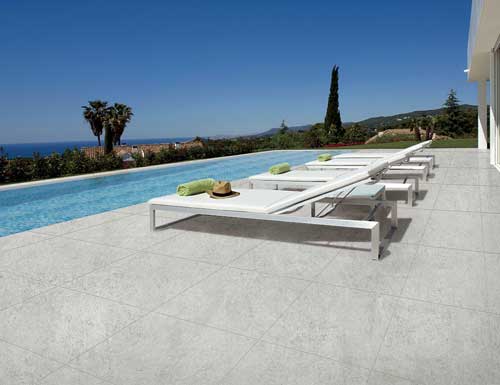
Large format porcelain has taken off particularly. The 600x1200mm and larger formats reduce the number of grout lines which makes spaces feel cleaner and bigger and also means less scrubbing after a rainy week. For most Sydney alfrescos, textured or structured-surface porcelain tiles with a P4 or P5 rating are the practical first choice.

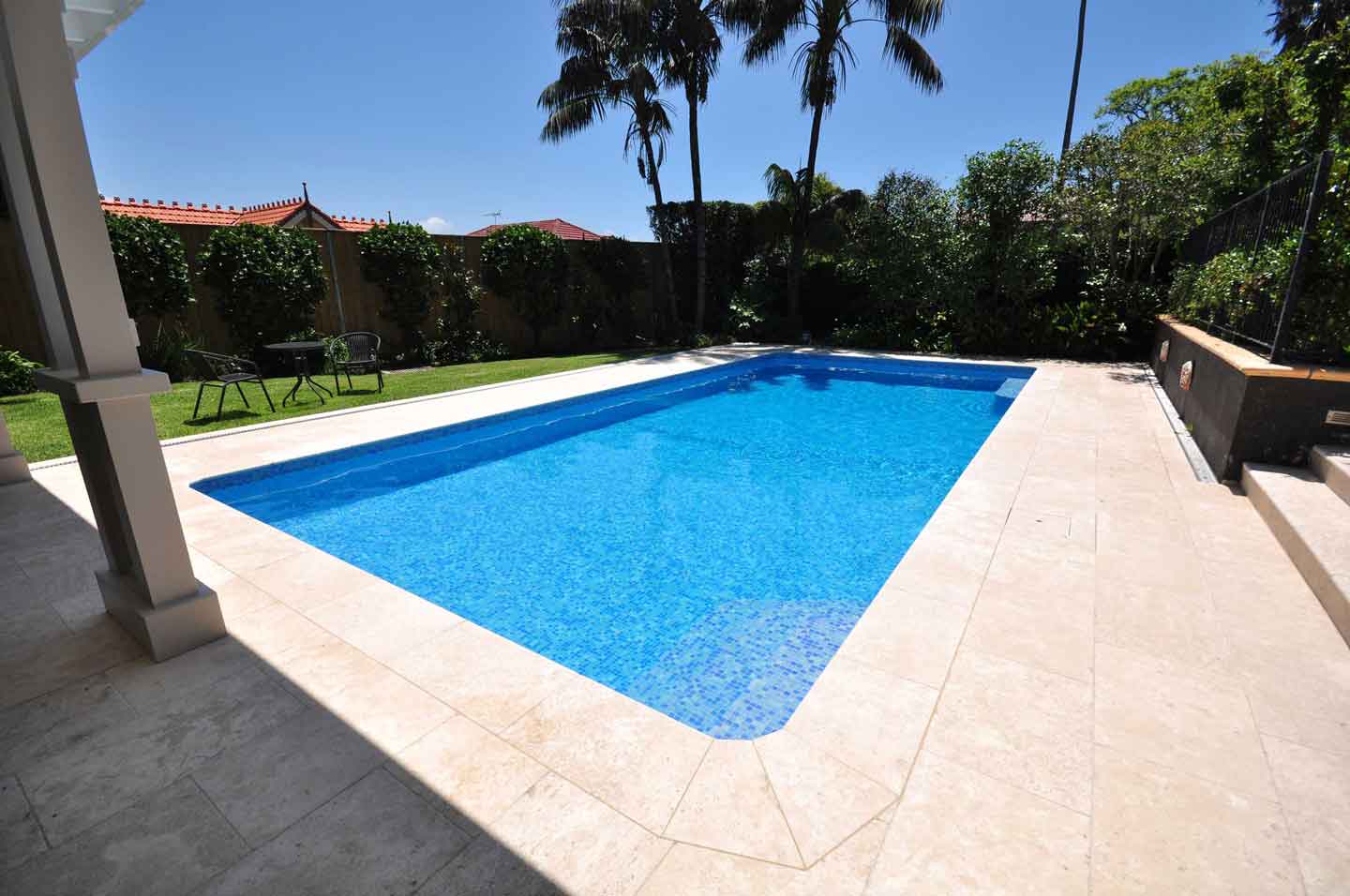
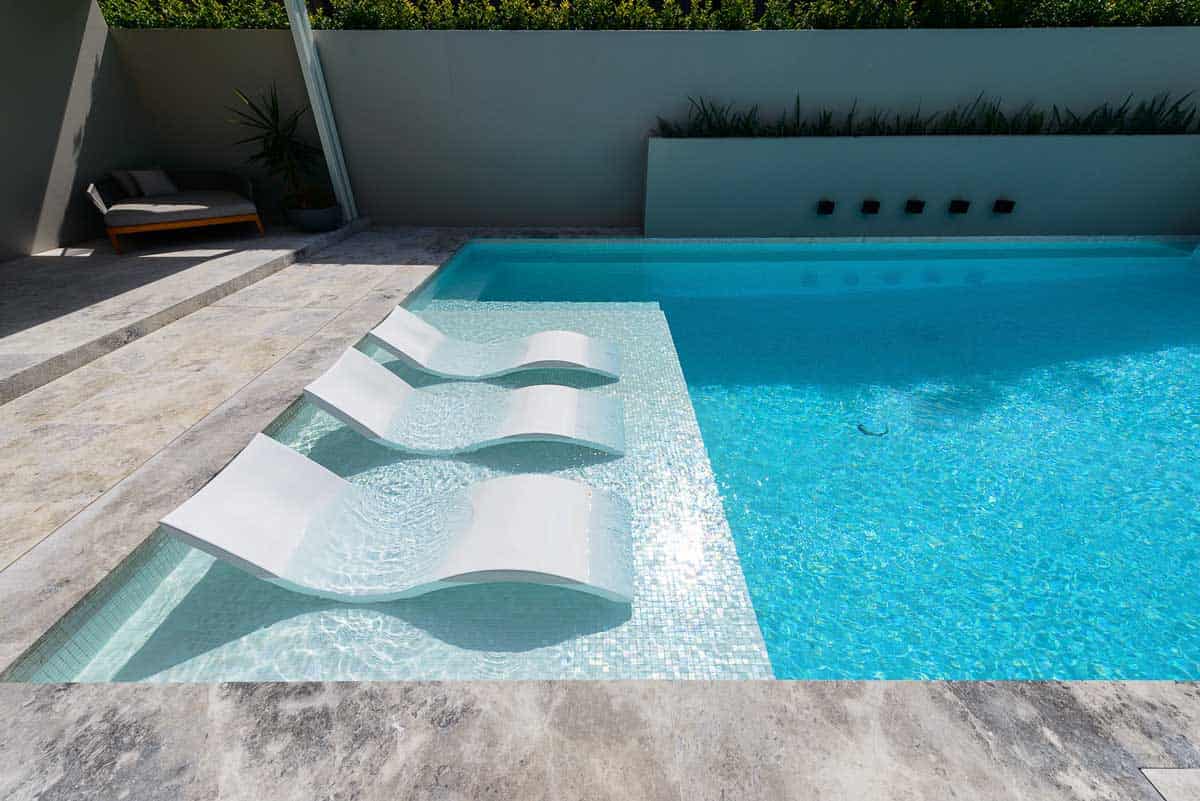
If the alfresco sits beside a pool, porcelain pavers are worth looking at specifically. They are thicker than standard tiles, engineered for outdoor load-bearing and rated for the wet conditions pool surrounds demand. 

Explore the full range of outdoor tiles at Royal Tiles to find the right size, finish and tone for your alfresco space.


Travertine Tiles Sydney: Beautiful but Know What You Are Signing Up For

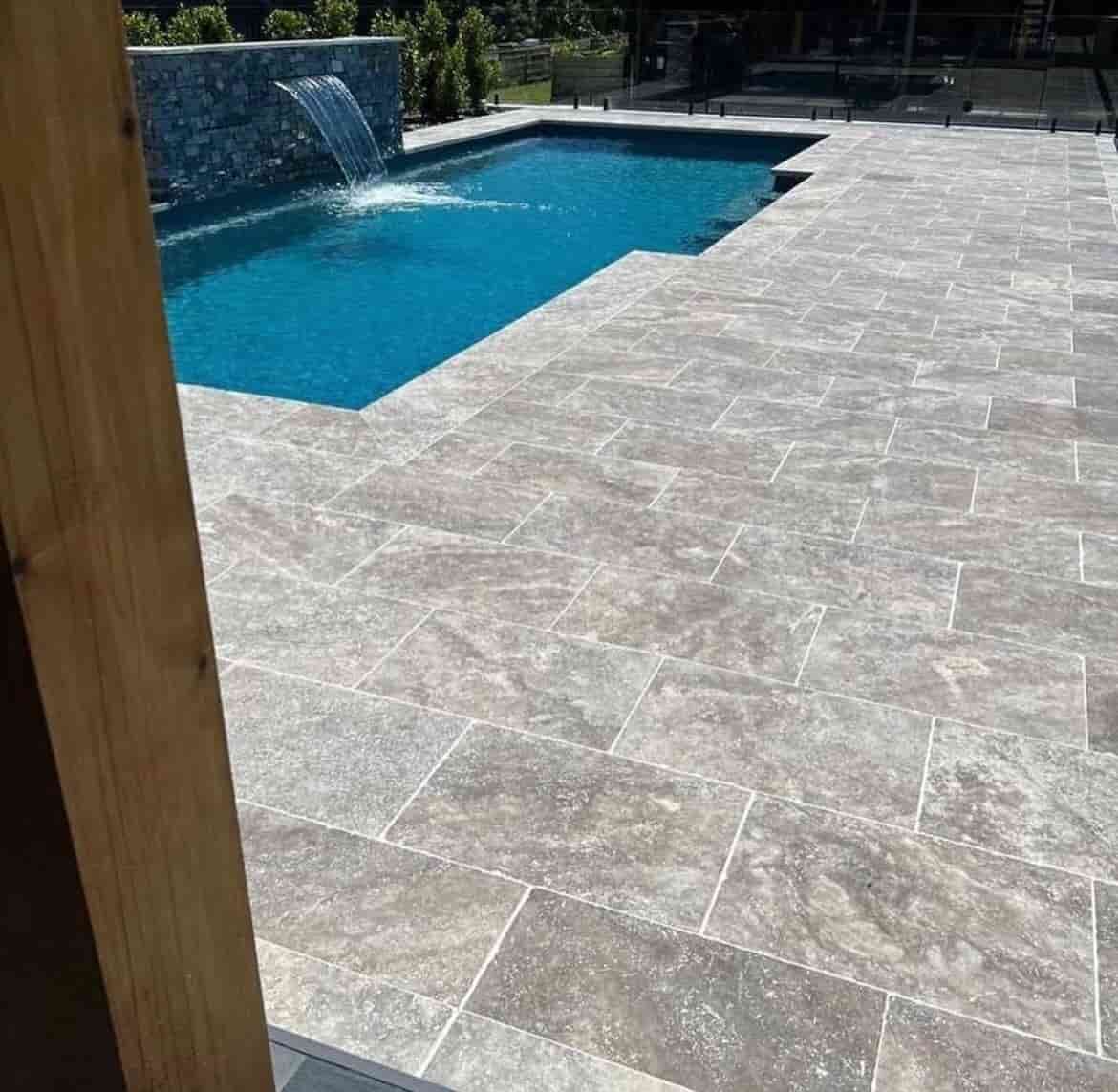
Travertine has a warmth that porcelain still struggles to fully replicate. Porcelain has come a long way but it still cannot fully replicate what travertine does naturally: that warmth, the variation between tiles, the way the stone settles into a space over time rather than looking like it was installed last weekend. For Hamptons-style homes, Mediterranean-influenced outdoor rooms or any older property where the alfresco needs to feel like it belongs rather than having been added, travertine makes a genuine case for itself.

The honest caveat is maintenance. Travertine is porous and needs sealing regularly to stay in good shape. Skip the maintenance and salt air, poolside splashes and cooking oils will find their way into the stone. It is not a drama but it is a genuine ongoing commitment. If that is not realistic for the household then porcelain in a stone look delivers most of the aesthetic with a fraction of the upkeep.

Bluestone sits in a different category entirely. Denser, more durable and with a natural grip that makes it a reliable choice for pool surrounds and outdoor steps. It suits coastal and period-style homes particularly well and holds up better in high-traffic areas than most natural stone tiles options.

Timber-Look Outdoor Tiles: Warm, Natural Style Without Timber Maintenance

Timber underfoot does something to an outdoor space that stone and concrete simply cannot. The whole feel of an alfresco shifts. It stops reading as a paved extension of the house and starts feeling like somewhere worth spending a few hours, which is the whole point.

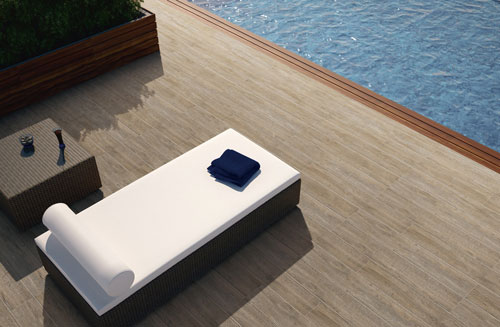
Modern timber-look porcelain has come a long way. Long plank formats with realistic grain variation, tones running from pale blonde through to deep walnut and surface textures that hold up underfoot rather than just looking the part in a showroom. Covered alfresco dining areas are where these tiles perform best, though they work well in any outdoor living zone that is not taking constant direct weather exposure.

One thing worth checking before purchasing: whether the product is actually rated for outdoor use. Indoor timber-look tiles exist as a separate category and they are not built for external conditions. They will not carry the slip ratings needed for wet areas and they will not hold up under UV the way outdoor-rated porcelain does. It is worth five minutes on the spec sheet to confirm before ordering.

For something warmer underfoot, the timber-look tiles range at Royal Tiles covers the full range of tones and formats that Sydney renovators are reaching for right now.

Concrete-Look Tiles: Low Maintenance and Very Sydney Right Now

The concrete aesthetic took hold in interior design years ago and has since moved into outdoor spaces in a way that actually makes sense. Concrete-look porcelain delivers the same flat matte calm without the problems that come with actual poured concrete: the cracking, the staining and the resealing that outdoor concrete eventually demands.

These tiles suit contemporary outdoor spaces well, particularly where the goal is a clean visual connection between inside and outside. Large formats in neutral tones work across a wide range of Sydney home styles, from newer builds in the Hills District to inner-city terraces where the outdoor space is compact but needs to feel intentional.

Think about extending one range of tiles through all your exterior surfaces; from the floors, to a bar front, to planters and even the kick plate at the transition between the indoors and outdoors. It’s doing this, with some variation within the tile range used on each of the surfaces, that makes the difference between tiling and designing an exterior area. Have a look at our Porcelain Floor Tiles range.

Slate and Bluestone: The Right Choice for the Right Application

Slate suits a specific kind of property well. Federation homes, coastal cottages and older houses with character where a raw textured surface fits the bones of the place better than polished porcelain would. The look is earthy and layered in a way that is hard to fake with manufactured materials.

The practical caveat is that slate quality varies considerably. Lower-grade product can flake or delaminate after prolonged outdoor exposure and that is not a minor inconvenience when it happens underfoot. The origin and grade of the stone matter, so it is worth asking those questions before committing rather than after.

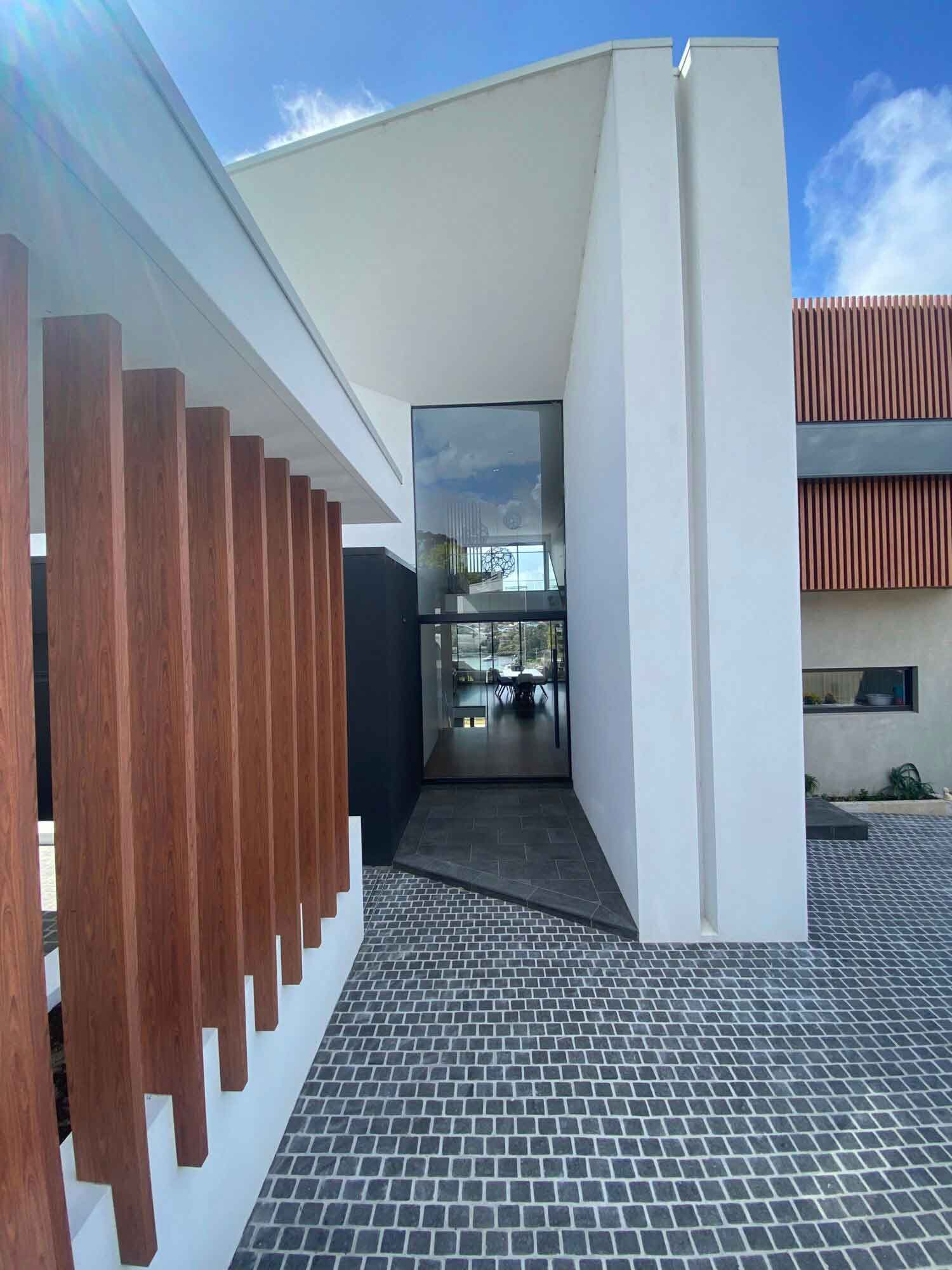
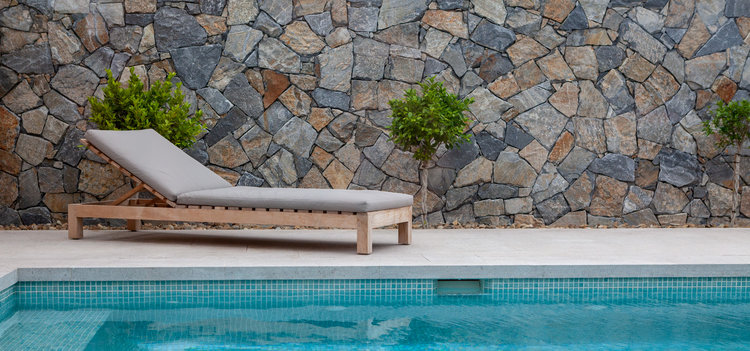
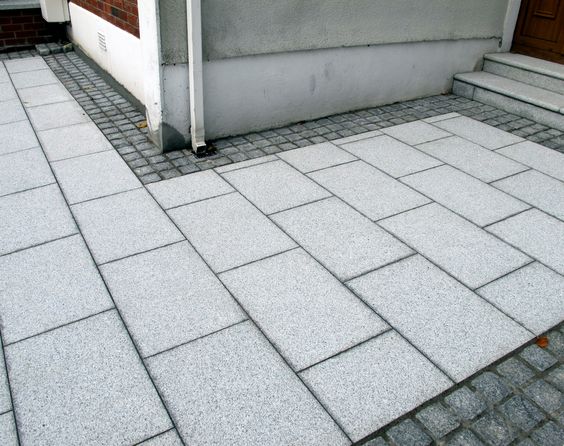
Bluestone and Granite are more predictable choices for high-use areas. It is denser than most natural stone options, weathers well across Sydney’s seasons and has a natural surface grip that holds up around water. Pool surrounds, outdoor steps and sloped approaches are where bluestone consistently outperforms the alternatives. For those with a pool, pairing bluestone surrounds with pool coping tiles from the same natural stone family creates a cohesive finish that looks deliberate rather than assembled from whatever was available.

Slip Resistance Ratings Explained: What P3, P4 and P5 Actually Mean for Your Alfresco

It comes up in every serious outdoor tile discussion and for good reason. Choosing a tile without confirming its slip rating is the most common practical mistake Sydney homeowners make with alfresco tiling.

Australian Standards AS 4586 sets the framework. The P-scale from the Pendulum test is the rating most relevant to residential outdoor applications:

  • P3 covers indoor wet areas like showers. Not appropriate for outdoor floors.

  • P4 is the minimum for standard outdoor pedestrian surfaces including alfresco areas, pathways and external entertaining floors.

  • P5 is required for pool tile surrounds, ramps and areas with ongoing water exposure.


Matte and textured finishes generally indicate higher slip resistance but do not take that on faith alone. Check the AS 4586 rating on the product specification sheet directly. Polished finishes and honed natural stone, however beautiful they look, are typically not safe for outdoor floor use once they get wet.

This is not about being overly cautious. An outdoor tile gets rained on, hosed down and walked over with wet feet regularly. The P rating is what tells you whether it handles that safely.

Tile Type
Durability
Maintenance
Slip Rating
Heat in Full Sun
Best For
Porcelain
Excellent — barely absorbs water, handles UV well
Very low — no sealing required
P4–P5 available
Moderate (lighter tones stay cooler)
Most Sydney alfrescos, pool surrounds, all suburbs
Travertine
Good — softer than porcelain
High — needs regular sealing
P3–P4 (brushed finish)
Stays cool underfoot
Hamptons, Mediterranean and older character homes
Timber-Look Porcelain
Excellent — outdoor-rated only
Very low
P4–P5 available
Moderate
Covered alfrescos and outdoor dining zones
Concrete-Look Porcelain
Excellent
Very low
P4–P5 available
Higher in darker tones
Contemporary builds, indoor-outdoor flow
Slate
Varies by grade — lower grades can flake
Moderate — needs sealing
P4–P5 (natural texture)
Hot in dark tones
Federation homes, coastal cottages, character properties
Bluestone
Excellent — denser than most natural stone
Moderate
P5 (natural surface grip)
Hot in full sun
Pool surrounds, outdoor steps, sloped or high-traffic areas

Sydney Alfresco Style Trends Worth Tiling Toward

The indoor-outdoor living trend in Sydney has been building for years and has not peaked yet. Think alfresco pizza ovens that become the household’s favourite gathering spot through the warmer months, outdoor showers used more regularly than the indoor ones and entire homes oriented around access to outdoor spaces. That orientation is not a regional quirk. It is the direction Sydney residential design has been heading for the better part of a decade and tiles are a big part of making it work.

The indoor-outdoor continuation look 

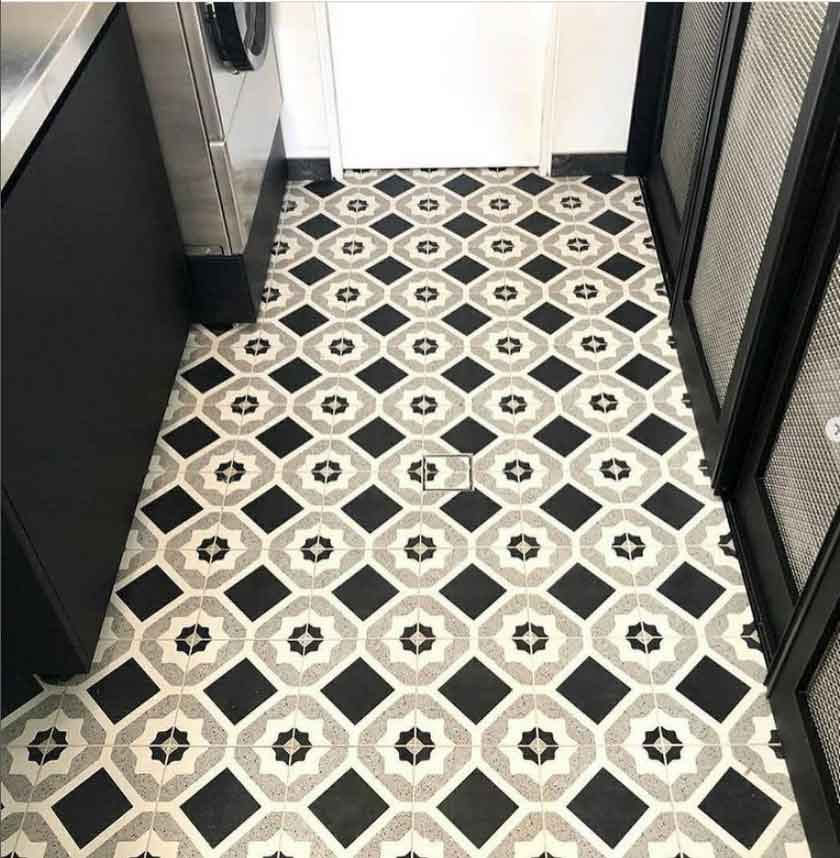
Where the interior floor tile extends directly into the alfresco zone, this is one of the strongest trends right now. In the same Australian home, geometric floor tiles carried through to the edge of the balcony making the indoor and outdoor areas read as one unified space rather than two zones divided by a threshold. Large format porcelain floor tiles in light stone or concrete tones handle this particularly well in Sydney homes.

Hamptons meets coastal Australian 

Still very much present on the Northern Beaches and in the Eastern Suburbs. Cream, warm white and light beige alfresco paving tiles alongside white joinery and natural timber accents. The travertine range suits this direction particularly well. Relaxed without being lazy about it.

Earthy and organic 

Warm sandy tones, terracotta influences, timber-look tiles and textured stone finishes. The look only works when the outdoor space feels like a natural extension of the property rather than a constructed addition layered and personal rather than pulled from a catalogue. That’s the quality Sydney homeowners are chasing most consistently right now. The sandstone range is worth exploring for this aesthetic.


Contemporary minimalism 

Continues to dominate newer builds and architectural renovations in the Inner West and Hills District. Concrete-look porcelain, large formats and tight grout lines. Sharp and low-maintenance.

Five Alfresco Tiling Mistakes That Are Completely Avoidable

1.  Buying indoor-rated tiles for an outdoor floor

The tile looks fine in the store, the price works and nobody checks the outdoor rating. Two Sydney summers later, the surface has faded, the grip has gone and it needs replacing. Check the outdoor rating before anything else. The outdoor tiles section at Royal Tiles lists products specifically rated for external use.


2. Choosing the tile and ignoring the grout

Outdoor grout is a different product to interior grout. It needs to be flexible enough to move with the substrate as it expands and contracts with temperature changes and it needs to be rated for external use. The wrong grout in an outdoor joint will crack within a season, regardless of how good the tile is.

3. Going dark on a full-sun alfresco

Dark tiles look striking in renders and in showroom lighting. On a north-facing Sydney alfresco in February they become uncomfortable fast. If the space is exposed and takes direct afternoon sun, heat absorption needs to sit alongside aesthetics in the decision.

4. Ordering to the exact metre with no buffer

Cuts, breakages and the occasional mistake happen on every job. Ordering at least 10% above the measured area is standard practice for a reason. Running short mid-project and trying to match the same tile batch is a situation worth avoiding entirely.

5. Assuming a polished or honed tile will be fine outdoors

It will not. The finish that makes a tile look luxurious inside is the same finish that removes friction from the surface the moment it gets wet outside.

The Tile You Choose Now You Will Live With for Years: Make It Count

A well-tiled alfresco does not call attention to itself. It just works. The space feels like a natural extension of the home, handles the rain and the heat and the bare feet and the party and five years later still looks like the right decision.

The options right now are genuinely impressive, from large-format stone-look porcelain to earthy timber tones to sharp concrete-finish slabs. There is something for every style direction and every Sydney suburb.

Get the material, the slip rating and the finish right at the start. Everything else follows from there.

Ready to see the tiles in person?

Contact Royal Tiles which is based in Auburn at 255 Parramatta Rd, Auburn NSW, around 25 to 35 minutes from the Sydney CBD, with a newly opened showroom now serving the Lidcombe area. If you are renovating locally or anywhere across Western Sydney, it is worth stopping in to see the outdoor range up close before committing. 

Three ways to get started:

Browse Royal Tiles’ full range of outdoor and alfresco tiles to find the right option for your space.

Samples are available to take home so you can see how the tile actually looks against your existing materials in natural light, which no screen can replicate.

Book Your Free Alfresco Tile Consultation or visit the Lidcombe showroom to talk through your alfresco project with the team.

Magazine and flower pot on white penny round mosaic tile floor Magazine and flower pot on white penny round mosaic tile floor mobile version

Slash prices, not your budget!

Enjoy savings of up to
50% on all the clearance items.

Frequently Asked Questions

What are alfresco tiles?

Alfresco tiles are those tiles that are designed for covered or semi-covered outdoor living areas, usually spaces connected to the kitchen, dining or lounge area.

Which tiles are best for an outdoor patio?

Porcelain is the answer most Sydney renovators land on and for good practical reasons. It holds up under UV, barely absorbs water and is genuinely easy to keep clean. It also comes in enough finishes now, stone looks, timber looks, concrete looks, that it suits almost any style direction. If you are after something that looks and feels more natural then brushed travertine or bluestone are both solid choices. Just go in knowing they need more maintenance to stay looking their best.

What outdoor tile is not slippery when wet?

Anything with a matte or textured surface and a P4 or P5 rating under Australian Standards AS 4586. Textured porcelain is the most widely available option and the most consistent performer. Brushed travertine and bluestone both do well too. The tile to avoid on any outdoor floor is a polished or high-gloss finish. It looks great until it rains and then it becomes a liability.

Is tile cheaper than pavers for an outdoor area?

The upfront cost of quality outdoor tiles can sit higher than pavers but that gap tends to close over time. Porcelain in particular needs no sealing, no ongoing treatment and very little effort to keep clean. Pavers can require more maintenance depending on the material and often show wear sooner in high-traffic areas. For most Sydney alfresco spaces the long-term cost difference is smaller than people expect and the finished result with good tiles tends to look sharper and more considered.

Peter Yusuf - Royal Tiles

Peter Yusuf

linkedin

Peter Yusuf is a seasoned Sales and Business Development Manager at Royal Tiles in Sydney, Australia, with a proven track record of success in the global architectural and interior design sectors. With over a decade of experience, he possesses a rich understanding of tile selection and design that has helped countless clients transform their spaces. Peter's expertise spans a wide array of materials and styles, positioning him as a trusted authority in the tile industry.

Green Tiles: The Complete Style Guide for Sydney Homes

Green Tiles: The Complete Style Guide for Sydney Homes

September 30, 2026

Green tiles cover more design territory in Sydney bathrooms and kitchens than most people expect. Sage green mosaics on a…

Cobblestone Pavers Guide:<br>Natural Stone & Porcelain Cobblestone Tiles

Cobblestone Pavers Guide:
Natural Stone & Porcelain Cobblestone Tiles

September 10, 2026

Cobblestone pavers are small-format natural stone or porcelain tiles used for driveways, courtyards, garden paths and selected poolside applications. Royal…

The Right Order to Choose Tiles for a Whole Home Renovation

The Right Order to Choose Tiles for a Whole Home Renovation

August 31, 2026

Planning an exciting whole home renovation for a soulful interior design? A whole-home renovation is the perfect chance to give…

Call Now