Japanese Mosaic Tiles: Tokyo Range Ideas & Buying Guide

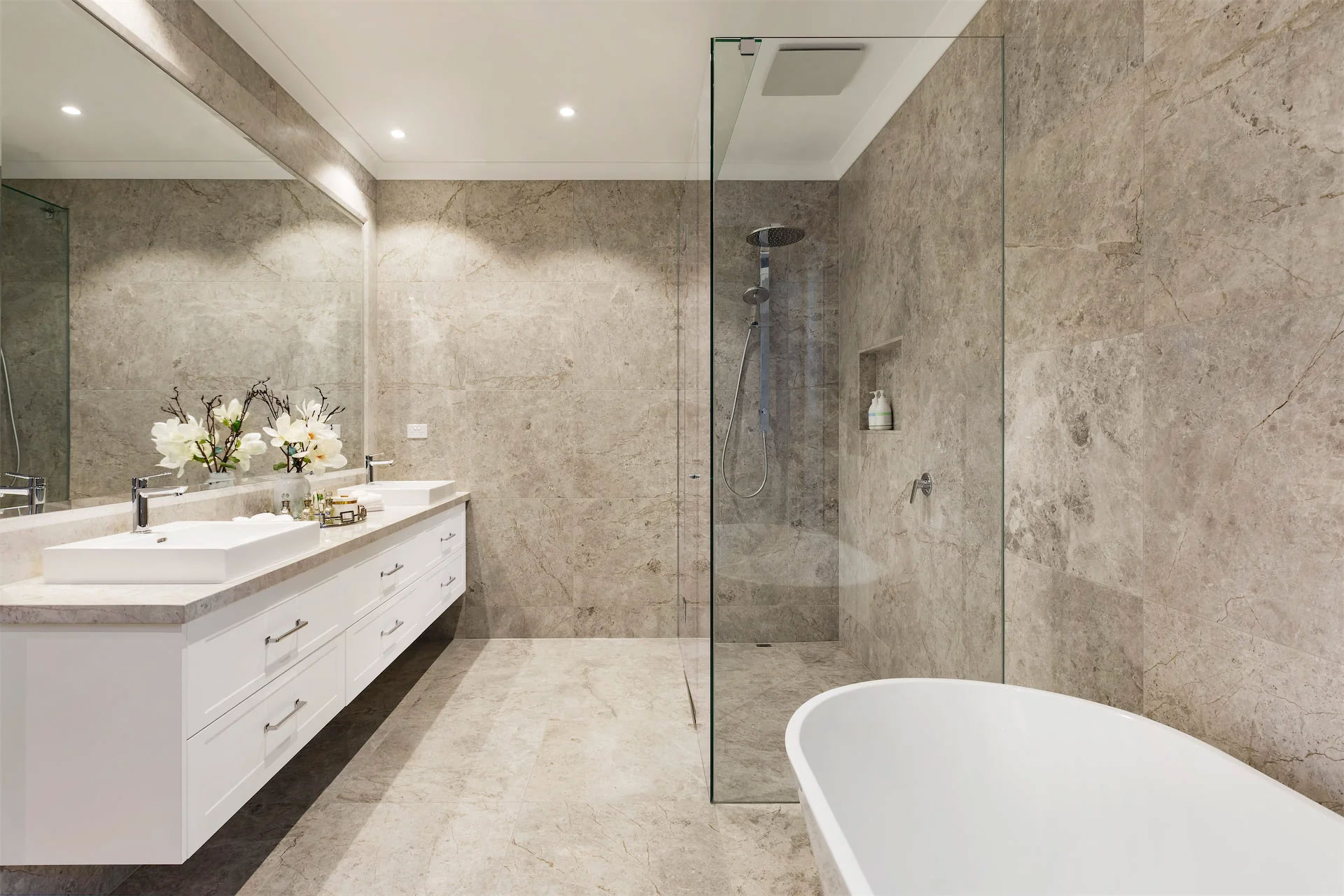
Tokyo green square mosaic tiles on a bathroom feature wall behind a floating oak vanity and wide rectangular mirror image.
Peter Yusuf

Tokyo Espresso is hard to photograph. Hold a sheet up to a window and part of it looks almost black, while the rest turns warm brown where the light lands. That kind of movement is what this Japanese-inspired range is built on. Each colour comes as slim fingers or small squares.

This guide covers choosing a colour, placing Japanese inspired mosaic tiles on the right walls and ordering without surprises. You can shop Japanese Tokyo tiles online, or call ahead to see which colours are on display at our Auburn and Lidcombe showrooms.

What Gives Tokyo Tiles Their Look?

Japan even has its only museum devoted entirely to mosaic tiles. The Mosaic Tile Museum Tajimi sits in Kasahara, a town with the country’s largest production volume of mosaic tiles.

That tradition has a recognisable look. Small pieces. Glazes with depth. Shapes repeated in tight, even lines.

Tokyo picks up on those traits. Pieces on the same sheet sit at slightly different shades. Spread that across a whole wall and the shade changes do the job a printed pattern would.

Inside the Japanese Tokyo Tiles Range

There are ten tiles in all. We’d pick the shape before the colour, since the same glaze looks quite different as a finger or a square.


Fingers or squares?

The finger version uses a kit kat layout, with slim pieces standing in two rows on each sheet. On a wall it looks a little like a slatted timber screen. Our kit kat range has more finger styles if you want to compare.

Squares sit in a tidy grid. Think graph paper, with grout running straight across and straight down. In a room full of flat-front cabinets and square edges, that grid feels right at home. Our square mosaic tiles page has more grid options.


Dark or light?

The darker three are where the glaze gets interesting. Espresso swings from near-black to brown inside one sheet. Stand back from Tokyo Dark Green Gloss Kit Kat and you see forest green; step closer and paler flashes appear. Tokyo Espresso Gloss Square packs that same shift into a grid. Then there’s Amber, a honey brown that looks good next to timber.

Light Grey and White Speckled take a back seat, with paler glazes that barely shift. White Speckled has small dark flecks through it, and so does the Light Grey square. Tokyo White Speckled Gloss Kit Kat gives you the finger shape with very little colour. Check names when ordering, as only the Light Grey square carries the word “Speckled”.


Colour
Fingers
Square
Mood
Amber
Tokyo Amber Gloss Kit Kat
Tokyo Amber Gloss Square
Warm, honey brown
Dark Green
Tokyo Dark Green Gloss Kit Kat
Tokyo Dark Green Gloss Square
Deep, leafy
Espresso
Tokyo Espresso Gloss Kit Kat
Tokyo Espresso Gloss Square
Dark, coffee brown
Light Grey
Tokyo Light Grey Gloss Kit Kat
Tokyo Light Grey Speckled Gloss Square
Soft, cool
White Speckled
Tokyo White Speckled Gloss Kit Kat
Tokyo White Speckled Gloss Square
Bright, flecked

Which Tokyo Colour Suits Your Room?

Look at your window first. Espresso in a sunny room shows every layer of its glaze. Put the same tile in a windowless ensuite with one downlight and it can feel heavy.

  • Plenty of daylight? Go dark. Amber, Dark Green and Espresso all reward a sunny wall.

  • Small room, no window? Light Grey or White Speckled keeps it from closing in.

  • Got a warm timber vanity or oak joinery? Amber repeats that warmth.

  • Want one bold move? Dark Green, with pale walls around it.

  • For texture without colour, White Speckled lets the shape and grout do the work.

    Torn between two? Bring a benchtop sample and a phone photo of the room when you visit. Holding both sheets against it usually makes the call.

Where to Use Japanese Mosaic Tiles

Plan Tokyo for walls, then choose the room.


Bathrooms

For Japanese inspired bathroom tiles, start with the vanity wall. A band of fingers behind the basin frames the mirror and keeps the tile away from the shower. A powder room is another good fit, because the room is small and the tile can carry it alone. Our bathroom wall tiles range has plain tiles to run alongside it.

Planning a shower wall or niche? Sort these out first:

  • ask us whether Tokyo suits wet areas.

  • the waterproofing behind it, with your tiler.

  • a grout suited to showers.


Kitchens

In the kitchen, we’d run Japanese inspired kitchen tiles as a single band behind the cooktop or sink. Got pale stone benchtops? Espresso or Dark Green fingers above them make a simple, striking contrast. If the cabinetry or stone is already busy, White Speckled keeps things calm.


Laundries and feature walls

Nervous about a dark colour? Try it above the laundry tub first. It’s a small wall, and nobody spends hours staring at it. The squares look sharp behind a home bar or in an entry, where that neat grid brings some order. Browse our feature wall tiles for more ideas.

Buying Guide: Before You Order

Screens flatten glaze. Order a sample, prop it against the wall you’re tiling and look at it once in the morning and again at night. Our Tile Visualiser lets you preview it in a photo of your own room.

When you’re ready to buy, the product page rounds your order up to full boxes. Add around 10 per cent on top for cuts and the odd broken piece. Then buy the lot in one go, because topping up months later can mean sheets from a different delivery.

All those grout lines mean a bit more wiping than a big-tile wall. For everyday cleaning, we recommend warm water and a pH-neutral, sulphate-free cleaner. Skip household soap, which leaves a scum build-up. Go easy on harsh chemicals too, as overuse can haze glazed tiles.

Buy Japanese Inspired Tiles in Sydney

Our Auburn showroom is at 255 Parramatta Road, around 25 to 35 minutes from the Sydney CBD. Lidcombe is further along Parramatta Road at number 32, with a showroom and warehouse. Before you drive over, call us on (02) 9748 0885 and we’ll tell you which Tokyo colours are on display and in stock. Or book a free design consultation for help planning the wall.

Magazine and flower pot on white penny round mosaic tile floor Magazine and flower pot on white penny round mosaic tile floor mobile version

Slash prices, not your budget!

Enjoy savings of up to
50% on all the clearance items.

Frequently Asked Questions

Can Japanese Tokyo tiles go on a bathroom floor?

We'd keep Tokyo on the walls. For the floor below, pick something plain, a shade lighter or darker than the wall, so the mosaic stays the star.

Are Tokyo tiles the same as Japandi tiles?

No. Japandi is a decorating style that blends Japanese and Scandinavian ideas, while Tokyo is a tile range that works in plenty of styles. Light Grey or White Speckled would sit nicely in a Japandi room. Our Japandi interior style guide explains the look.

How do I clean gloss mosaic tiles?

Give the darker colours a quick wipe with a microfibre cloth after showering, before water spots dry on. Behind the cooktop, a degreaser every so often takes care of splatter.

Can light and dark Tokyo colours share one wall?

They can, as long as the split looks planned. Try dark fingers on the lower half with Light Grey above, or frame a mirror zone in Espresso.

Peter Yusuf - Royal Tiles

Peter Yusuf

linkedin

Peter Yusuf is a seasoned Sales and Business Development Manager at Royal Tiles in Sydney, Australia, with a proven track record of success in the global architectural and interior design sectors. With over a decade of experience, he possesses a rich understanding of tile selection and design that has helped countless clients transform their spaces. Peter's expertise spans a wide array of materials and styles, positioning him as a trusted authority in the tile industry.

Commercial Floor Tiles Sydney: Office & Retail Guide

Modern commercial showroom with textured charcoal floor tiles, grey walls, a reception desk and upholstered seating.
Peter Yusuf

When you’re tiling a restaurant, office or shop in Sydney, start with what the tile needs to do, not how it looks. The right choice depends on slip rating, wear rating and water absorption, not just finish. Get those three things wrong and you find out after the floor’s already down.

Before buying anything, pull the technical data sheet and check all three. The tile itself usually isn’t the problem, a wrong slip rating gets ordered without checking the spec sheet, the floor goes in and the job has to be redone. For any commercial fit-out in Sydney, whether it’s a restaurant, office or retail space, specification comes first and the look comes after.

What Makes a Tile Suitable for Commercial Use?

It is vital to ensure that the chosen commercial floor tiles have the capability to meet the needs of the space in terms of traffic, moisture and cleaning requirements. It is important to check on the technical data sheet whether it offers slip resistance, wear resistance and water absorption before making an order. You can always contact our team for help choosing the right tiles for your commercial space.

For restaurant and cafe floors specifically, where grease and daily degreaser chemicals add a whole extra layer of wear, we’ve written a dedicated guide: Tiles for Restaurants & Cafes.

Office Floor Tiles Sydney

Not every part of an office gets the same use. The tile that looks right in reception won’t necessarily hold up in an open-plan with chairs rolling over it all day.

Reception floors suit large-format porcelain tiles in semi-polished or lappato finish. Larger formats mean fewer grout lines across a big entry space. A light to mid-tone stone-look or concrete-look porcelain is the practical choice here, it stays neutral enough that later interior decisions don’t have to fight the floor.

Open-plan floors take harder daily use than reception. Chair wheels and cleaning equipment wear a tile faster than foot traffic alone. Matte porcelain at PEI IV is a more practical spec than polished or lappato and it doesn’t show every scuff. If the open-plan area leads into a kitchen or bathroom, a P4-rated matte tile suits both spaces.

Retail Floor Tiles Sydney

Retail floors take hard use and still need to look sharp.

Polished and semi-polished large-format porcelain suits fashion and homewares retail, it reflects light back across the floor, which helps where natural light doesn’t carry far into the store. Matte tiles are the better call for food retail and grocery, where the floor is working harder than it’s presenting. For entries and wet-prone zones, confirm P3 at minimum and go to P4 if the entry gets exposed to rain.

Outdoor retail courtyards and food hall entries need P4 or P5, the same as outdoor hospitality areas. Our porcelain cobblestone pavers resist staining and don’t need periodic sealing, unlike natural stone in the same format.

Feature walls let you add texture without carrying the floor’s slip rating requirements. We stock the Zellige Bejmat Snow in a handmade Moroccan clay format, a solid option for hospitality and retail feature walls.

How to Order the Right Quantity

Work out each zone separately, multiply length by width and add 10% on top. That covers cuts, breakage and a bit of reserve for repairs down the track.

Batch number is what catches people out on large commercial orders. Shade can shift between production runs even on the same product and on a large open floor you’ll notice it. Keep the whole order on one batch number and for a project spanning multiple zones or products, confirm the batch separately for each rather than just the combined total.

Our team at the Auburn and Lidcombe showrooms can check batch availability before anything gets ordered, it’s a far easier conversation to have before the floor goes down than after.

Three ways to get started

Browse our commercial tiles range for porcelain, large-format and outdoor non-slip options suited to restaurants, offices and retail fit-outs.

Drop into the Auburn or Lidcombe showroom to see what’s in stock before you commit to anything.

Book a free design consultation and bring your floor plan or measurements, we’ll talk you through slip rating, format and finish for your space.

Royal Tiles stocks commercial porcelain and large-format floor tiles at our Auburn showroom (255 Parramatta Rd, Auburn NSW 2144) about 25 to 35 minutes from the Sydney CBD) and our Lidcombe showroom (32 Parramatta Rd, Lidcombe NSW 2141)in Western Sydney.

Magazine and flower pot on white penny round mosaic tile floor Magazine and flower pot on white penny round mosaic tile floor mobile version

Slash prices, not your budget!

Enjoy savings of up to
50% on all the clearance items.

Frequently Asked Questions

Can I use the same tile indoors and outdoors in a restaurant?

It depends on the rating, not the look. If that outdoor area isn't covered, the tile needs to cope with sun and weather on top of just being slip-safe. Don't trust the name on the box for this, pull the actual technical data sheet and check it yourself.

What tile size works best for a commercial floor?

Large-format tiles are the standard choice for most commercial floors. Bigger format means fewer grout lines and fewer grout lines mean less grease and gunk building up in the joints over time.

Is porcelain suitable for commercial use?

It is and it's really about what the tile's made of, not just how it looks on top. Full-body porcelain under AS 13006:2020 comes in under 0.5% water absorption, so spills and cleaning chemicals sit on the surface rather than soaking in. The colour runs all the way through too, so a chip or heavy scuff doesn't expose a different shade underneath.

How much extra tile should I order for a commercial job?

Order about 10% more than your measured area. That's your buffer for cuts, breakages and a few spares if something needs patching later. Get the whole order from a single batch number, shade mismatch between batches is a real pain to fix once the floor's down.

Peter Yusuf - Royal Tiles

Peter Yusuf

linkedin

Peter Yusuf is a seasoned Sales and Business Development Manager at Royal Tiles in Sydney, Australia, with a proven track record of success in the global architectural and interior design sectors. With over a decade of experience, he possesses a rich understanding of tile selection and design that has helped countless clients transform their spaces. Peter's expertise spans a wide array of materials and styles, positioning him as a trusted authority in the tile industry.

Black & Dark Tiles for Sydney Bathrooms & Kitchens

Bathroom with dark green vertical wall tiles, backlit mirrors, white basins and a marble-look vanity.
Peter Yusuf

Black tiles in Sydney bathrooms and kitchens cover more territory than one colour suggests. Origin Black offers a pure matte surface for a bathroom wall or floor. Bluestone Charcoal for when the brief is dark but not starkly black.

Earth Charcoal for full-room tile drenching where the grey reads close enough to black under most lighting. Royal Tiles stocks these and other dark-finish porcelain lines at Auburn & Lidcombe showrooms in NSW.

Why Black and Dark Tiles Work in Sydney Homes

Black and dark tiles deliver contrast, architectural depth and character that white surfaces often lack. Sydney homes that went dark five or six years ago generally hold up well over time and read as considered rather than dated, which is the clearest signal that a design direction has moved from risk to reliable choice.

Part of what drives the shift is a recalibration on white. Not a rejection of it, but a recognition that all-white bathrooms and kitchens need more upkeep than the renders suggested and deliver less character than expected. Dark finishes are more forgiving day to day. The room holds a quality and keeps it. In a Sydney bathroom with limited natural light, a matte dark tile reads as intentional in a way that slightly yellowed grout lines on white tile do not.

The fear that dark tiles shrink a small bathroom is understandable and, in practice, usually wrong. A well-lit small bathroom in a consistent dark finish reads as cocooning rather than cramped. The bathrooms that feel small are usually the ones with too many competing decisions pulling in different directions.

Black and Dark Tiles for Bathrooms


Black subway bathroom wall tiles with contrasting light grout behind a white freestanding bath and chrome tapware.

A single feature wall in matte black behind the vanity or bath gives the bathroom a clear focal point without committing to a fully dark room. One wall in matte black with everything else staying lighter is the lower-commitment entry point into a dark scheme and the right starting place for anyone uncertain about going fully dark.

The second approach is tile drenching: the same dark tile across the floor and all four walls. Tile drenching in a compact bathroom reads as enveloping rather than cramped, particularly with a matte finish and considered lighting. Matte dark tile gives the room a sense of completeness that a lighter tile especially in a compact bathroom.

For tile drenching and feature wall applications in a dark tile bathroom, Bluestone Charcoal Matt Porcelain Tiles work well where pure black reads as too graphic. The blue-grey tone shifts under different light conditions across the day in a way that a flat matte black does not. Pair with warm brass tapware and keep at least one surface lighter. For bathroom dark grey tiles with more warmth than a stone-look finish, Earth Charcoal Porcelain sits close enough to black to read dark throughout but carries enough warmth to work in a family bathroom without feeling severe. For a pure black surface, the Origin Porcelain Tiles range carries confirmed black colourways across bathroom wall and floor applications.

On matte versus gloss. For black bathroom tiles and dark tiles on walls and floors in Sydney, matte is the right call in almost every situation. Gloss amplifies water marks, soap residue and fingerprints immediately and continuously. In practice, a textured or matte dark finish is easier to maintain day to day than gloss black. The only situation where gloss makes sense on a dark bathroom surface is a small feature element where the reflectivity is deliberately part of the design. The Royal Tiles polished vs matt porcelain guide covers how these finishes compare across applications.

Bishal and his team when above and beyond in assisting me with the selection of tiles, grout and adhesive. No request was too hard and they were very patient with all my questions. Delivery was on time and bathrooms look amazing. Will definitely be returning for future projects.

Rozy Dorizas

Rozy Dorizas

  • ★
  • ★
  • ★
  • ★
  • ★

Dark Green Bathroom Tiles


Green handmade tile feature wall with glossy vertical tiles and modern bathroom basin.


Dark green bathroom tiles are worth considering alongside black and charcoal, particularly for anyone who wants depth and character without the austerity of a pure black scheme. It achieves something similar in a bathroom without being the same decision.

The specific shade matters more with dark green than with most tile colours. Sage green and bottle green are not the same brief. Dark green bathroom tiles at the deeper end of the palette, bottle green, forest and deep hunter, produce a surface that shifts differently across the day compared to static charcoal and black. In a bathroom with good natural light, those tones read differently from morning to evening in a way that a flat dark tile does not.

Dark green bathroom tiles pair naturally with aged brass tapware, a natural stone vanity top and timber joinery. The green version of a dark bathroom brief tends to read as warmer than black or charcoal. Whether that matters depends on the room. Browse the Royal Tiles green bathroom tiles range to see available options across formats and finishes.

Black Kitchen Tiles

Black kitchen tiles split into two distinct applications with different logic behind each.

As a splashback, black wall tiles work when the cabinetry gives them something to contrast against. Matte black behind white or light timber cabinetry lets the cabinetry lead while the splashback gives the room its edge. A gloss black kitchen splashback paired with dark cabinetry can make the room read as one flat surface unless the lighting does specific work to separate them. Browse the Royal Tiles kitchen splashback tiles for dark and matte options in the right format for a splashback application.

For kitchen floors, Concrete Rock Porcelain Tiles suit a dark contemporary or industrial direction. The concrete look in the darker colourways reads as deliberate without making the room feel heavy. It pairs well with white or off-white cabinetry, brushed steel appliances and a light benchtop.

For black tiles for wall applications in a kitchen, matte and textured finishes hold better over time than flat gloss. A flat gloss black kitchen wall tile reads as a bold graphic statement that can date. A matte or textured black kitchen tile reads as architectural and stays that way. The Crete Porcelain Tiles range includes black and near-black options that suit kitchen wall and floor applications in this direction. The Royal Tiles kitchen wall tiles page covers format and finish selection in detail.

Amazing service from Rupen at Royal Tiles. We ended up getting all our tiles from RT for our main bathroom and sunroom. Even though there were some minor defects on some tiles, they prompted assisted with rectifying the issue.

Kat Kreates

Kat Kreates

  • ★
  • ★
  • ★
  • ★
  • ★

Grout, Lighting and the Practical Decisions

Grout colour:

Dark grout with dark tiles makes the surface read as one continuous material. Light grout on dark tiles draws a visible grid across the whole surface and can make a large area read as smaller. Matching grout to the tile is the right approach when the brief is a dark or moody finish. The Royal Tiles grout colour guide covers this in full. The bathroom tile colour tips guide has further detail on how colour decisions work across different finishes.

Lighting

Dark tiles absorb rather than reflect light. That is the quality that makes them work in the spaces they work in. It also means lighting planning matters more in a dark bathroom or kitchen than in a lighter one. Wall-mounted sconces at face height, under-vanity strips and warm recessed lighting in shower recesses do more work than a single overhead fitting. Check tile samples under the actual lighting conditions of your room before ordering, not just under showroom light.

Contrast styling

If the brief leans toward dark and light together in a checkerboard or high-contrast direction rather than a solid dark finish, the Royal Tiles Hamptons style tiles Sydney guide covers that direction specifically. For how mirrors work alongside dark tiles and how to manage light in a darker bathroom, read the best bathroom mirrors guide before finalising the brief.

Finding Black and Dark Tiles in Sydney

Royal Tiles showroom has a black tiles and dark tiles range in Sydney. Drop by our Auburn showroom at 255 Parramatta Road, around 25 to 35 minutes from the Sydney CBD, with a second showroom now open in Lidcombe serving Western Sydney. If you are searching for black tiles bathroom options across Parramatta, the Hills District, Liverpool or anywhere in NSW, both locations carry the full dark-finish range in person.

Royal Tiles offers samples to take home from both showrooms so you can check how each finish reads in your specific bathroom or kitchen lighting before ordering, which is the only reliable way to make that comparison.

Three ways to get started:

Browse the Royal Tiles porcelain tiles range to see all confirmed dark and black finish options.

Visit the Auburn showroom or Lidcombe showroom to see Bluestone Charcoal, Earth Charcoal, Crete, Concrete Rock and Origin Black in person before ordering.

Book your free design consultation and bring photos of your bathroom or kitchen. The Royal Tiles team can advise on which dark finish, format and grout colour suits your specific space.


Magazine and flower pot on white penny round mosaic tile floor Magazine and flower pot on white penny round mosaic tile floor mobile version

Slash prices, not your budget!

Enjoy savings of up to
50% on all the clearance items.

Peter Yusuf - Royal Tiles

Peter Yusuf

linkedin

Peter Yusuf is a seasoned Sales and Business Development Manager at Royal Tiles in Sydney, Australia, with a proven track record of success in the global architectural and interior design sectors. With over a decade of experience, he possesses a rich understanding of tile selection and design that has helped countless clients transform their spaces. Peter's expertise spans a wide array of materials and styles, positioning him as a trusted authority in the tile industry.

Royal Tiles Visualiser Guide: How to Preview Tiles in Your Room

Before-and-after living room preview comparing beige flooring with terrazzo-look tiles using the Royal Tiles Visualiser.
Peter Yusuf

Every renovation project or a new space transformation reaches the same thrilling moment. You have chosen the layout, you have your eyes set on the best furniture, tapware, cabinetry and home decor. Now comes the most important decision: which tiles can complement every other design element in your space?

Tiles are the most important investment in any renovation or makeover project. Tiles add character to every room and carry the personality of every space, setting the mood.

So, how do you actually make this crucial tile decision to make sure you get a timeless look?

Royal Tiles offers the best tile samples and expert advice on choosing tiles, so that you choose the perfect tiles for your project.

Now, we are also giving you another option to see our tiles directly in your room before you buy with our recently launched exclusive Tile Visualiser Tool.

Find out how to use our new tile visualiser tool in this blog and make your tile decision with confidence.

Explore the New Royal Tiles Visualiser Tool

Beautiful designs and inspiring transformations are never coincidences. They are the results of careful choices and visions executed with confidence.

If you want to see how a tile you fell in love with looks in your room with a few clicks, you must try our new Tile Visualiser tool. 

All you have to do is choose a tile from our curated collection, upload a photo of your space and that’s it, you get a transformed photo of your room decorated with the tile you have been captivated by. The result is a design preview only. Tile colour, pattern, size, finish and layout may differ from the actual product.

With the combination of the tile visualiser tool, our top notch tile samples and a seasoned group of tile experts and consultants at Royal Tiles, we aim to make tile shopping an easier experience for you.

From First Photo to Finished Preview: How to Use the Tile Visualiser Tool


Royal Tiles tile visualiser infographic

Choose tiles with clarity and confidence, removing guesswork with an immersive digital walkthrough before you commit using our tool.

The visualiser tool is designed to explore how our tiles of many palette combinations, textures, sizes and designs will look in your room effortlessly allowing you to experiment with multiple tile combinations, customizations and bold choices.

Our tool is designed to give you a photo-realistic and accurate perspective of your room decorated with our tiles so you can easily see how different tile choices transform your space instantly and settle for the best choice.

Follow there steps to ge the best results:

Step 1: Pick the Tile of Your Choice

The first step to using the tile visualiser tool is to select the top tile contenders in our collection that interests you and meet your design visions.

To access the visualiser tool, you can simply click “VISUALISER” on the top navigation menu. Once you are on the tool page, scroll down a bit until you see the featured tiles.

To pick a tile, you can simply use the search bar to type in tile categories like porcelain, ceramic, or mosaic, you can also use the chips below the search bar to filter by type of room like bathroom tiles, floor tiles, etc. 

Once you have found the tile you like to see in your room, click that tile card.

You can also access the tile visualiser from the product page itself. When you are browsing through a product page, click “See it in your room” to use the tool.


Step 2: Take or Upload a Photo

Take a photo of your room using your phone’s camera, or upload an existing photo. Choose a clear, well-lit view of the wall or floor you want to visualise.


Step 3: Enter Some Details to Unlock the Tool

You can try a few free previews without entering your details. Once you reach the initial limit, enter your name, email address and state to unlock more free previews for that day. If our team has provided an access code, you can also enter it for additional previews.


Step 4: Choose wall or floor

Choosing Wall or Floor tells the tool where the tile belongs. Feature walls, shower walls and splashbacks count as walls. Hallways, living areas and kitchen floors count as floors. Redoing both? Run two previews and see how the pair gets along.


Step 5: Confirm and See the Visualisation

You will be asked to confirm you have permission to use the photo and to accept the terms. Click “Show me this tile in my room”, then give it about a few seconds to a minute to get the customised image of your room.

Once the results appear, you can also download the image, compare before and after in the same layout and try another visualisation.

Check out the best inspirations from the visualiser tool and plan your tile shopping once you are impressed by what you see.

Photograph your room like a stylist: Tips to Upload the Best Photo

The tile visualiser tool is designed to help you get a close visual idea of what our tiles look like in your room. Hence, your photos are key to getting the best customisations from the tool and see accurate transformations of your space using the tool.

Hence, here are some easy tips to upload the best photo on the tool, If you are wondering, no you don’t need a photographer level image, but this is the perfect chance to bring out the photographer in you and take some quality photos.

  • Stand square to the surface. Shoot straight on, the way you would photograph a painting. Angles make walls and floors lean and the tile has to lean with them.

  • Take photos of your space in good light. Open the blinds and switch the lights on. Soft, even brightness gives the tool clean edges and gives you a truer sense of how the tile sits.

  • Mind the shadows. A hard stripe of sun across a floor can read as a change of material, so choose a softer moment of the day.

  • Clear the small things. Bath mats, bottles, laundry baskets and towel piles pull the eye and crowd the surface.

  • Frame the whole surface. Include as much of the floor as you can, or the full wall with a sliver of ceiling and floor. Context makes the result easier to believe.

Tile Visualiser, Tile Samples and Expert Consultation: Three Routes to Choose the Perfect Tiles

The tile visualiser tool is an easy way to see if you like what you see before you commit to buying the tiles. Royal Tiles also offers the best tile samples and expert consultation on buying tiles, so you make the best decisions that make your design visions come to reality.

With so many options available, you can first use the visualiser tool, then order a tile sample or visit us in our tile showrooms in Auburn or Lidcombe to explore one of the largest tile showrooms in Sydney.

Talk to our experts who will help you buy the best tiles in Sydney for your dream project, both personal and commercial projects. Contact us or book a free consultation to get started today!

Magazine and flower pot on white penny round mosaic tile floor Magazine and flower pot on white penny round mosaic tile floor mobile version

Slash prices, not your budget!

Enjoy savings of up to
50% on all the clearance items.

Frequently Asked Questions

What is a tile visualiser?

The Royal Tiles tile visualiser is a free online tool that shows how a tile will actually look in your room before you buy it. Upload a photo of your wall or floor and preview any tile from the Royal Tiles range in under a minute.

How accurate is the tile visualiser preview?

The tool is a starting point to help you choose with confidence and gives the closest accurate perspective. Colour, pattern, size and finish can vary slightly from the real tile, so order a tile sample to check it properly before you commit.

Is the tile visualiser free to use?

Yes, it's free. You can try a few previews straight away and after that we'll ask for your name, email and state. There's a daily limit on previews, so if you reach it, come back tomorrow. If our team has given you an access code, you can enter it in the tool to keep going.

What happens to my photo after I upload it?

Your photo is used only to create your preview. It's processed by a third-party image service and isn't added to our website or shared for any other purpose. See our Terms and Conditions for details.

Can I use the tile visualiser on my phone?

Yes, the tile visualiser works on any phone, tablet or computer. You can photograph your wall or floor straight from your camera and preview tiles on the spot.

Peter Yusuf - Royal Tiles

Peter Yusuf

linkedin

Peter Yusuf is a seasoned Sales and Business Development Manager at Royal Tiles in Sydney, Australia, with a proven track record of success in the global architectural and interior design sectors. With over a decade of experience, he possesses a rich understanding of tile selection and design that has helped countless clients transform their spaces. Peter's expertise spans a wide array of materials and styles, positioning him as a trusted authority in the tile industry.

Half Wall vs Floor to Ceiling Bathroom Tiles:
How High Should You Tile?

Bathroom with Sicily Light Grey porcelain tiles on half-height vanity walls, floor-to-ceiling shower walls and the floor.
Peter Yusuf

Planning an exciting pinterest worthy tile reno for your bathroom, shower area, or powder room? Styling these rooms comes with an important question that renovators must confirm beforehand to save on time, budget and get the best performance out of the tiles.


Should you tile half-wall or go for floor to ceiling tiles? 

Floor-to-ceiling tiling means covering the walls from the floor up to the ceiling. The ceiling itself is not tiled. Getting this decision right gives you the best balance between style, performance, practicality and proper functionality particularly when it comes to tiling water-exposed rooms.

So, should you go for a more visual personality or practical performance when choosing the right tile height? 

In short, choosing the right tile height comes down to two things: how much water the wall is actually  exposed to and how much of the room you want the tile to visually own. Every tiled wall does two jobs at once. One is practical: keep water off the plaster and make cleaning easy. The other is visual, set the mood of the room and give it a personality.

Getting that equation right is really what this decision is about. Tile too little on a wet wall and the room fails its practical job. Tile too much on a dry wall and money goes toward protection the wall never needed.

When Half Wall Tiling Earns Its Place

Half wall tiling works because it lets a room breathe and adds more visual appeal. Stopping the tile at bench height or just above head height gives the upper wall room for paint, wallpaper or timber panelling, materials far cheaper to refresh later than tile. That flexibility is the real argument for going half height, more than the upfront saving, which is real but secondary.

It also suits smaller, low-splash rooms well. A powder room only sees water at the basin. A laundry only sees it around the trough. In both cases a half height run, paired with a lighter painted wall above, keeps a tight room from feeling closed in.

Half wall tiling is also where a feature tile earns its keep. A bold pattern across a full floor to ceiling wall can overwhelm a small room, but the same pattern stopped at 1.2 metres gives a better visual appeal. The decorative tiles range and Moroccan zellige tiles from Royal Tiles collection both suit this brief, texture and colour in a contained band, without needing the whole wall to make a style statement.

When Floor to Ceiling Tiling Is the Right Call

Floor to ceiling tiling is non-negotiable inside a shower recess and strongly recommended anywhere a wall takes regular, direct water contact. Beyond the waterproofing requirement, full height tiling is simply easier to live with in a high-use bathroom. Tiled surfaces wipe down in seconds, while painted plaster above a half wall line, in a room that sees daily steam, will show wear sooner.

There’s a genuine visual argument too. A wall tiled floor to ceiling reads taller than the same wall broken by a paint line partway up, which matters in project homes with standard 2.4 metre ceilings. Large format tiles from the porcelain tiles range, laid with tight, minimal grout lines, push that effect further, since fewer joins mean less interruption across the wall.

Room by Room Guide: Where the Line Should Actually Sit

  • Main bathroom: full height inside the shower is required and most renovations now carry that finish around the whole room to avoid an obvious material change partway around.

  • Ensuite bathrooms: same shower rule applies, though a smaller footprint often makes a half wall vanity wall a practical compromise.
     
  • Powder room: go confidently for half wall tiling, given low water exposure and the design payoff of a bold feature tile in a contained band.

  • Laundry: full height behind the trough and washing machine recess where splash is a real concern.

  • Kitchen splashback sits in its own category, governed by heat and grease exposure rather than AS 3740 and is worth treating as a separate decision, one covered in more depth in Royal Tiles’ kitchen splashback tiles range.

Getting the Transition Right

Where a half wall tile line stops matters as much as the tile chosen for it. Modern bathrooms look great with a mitred edge, which is a seamless finish created by cutting the tile at an angle to create a clean corner with no apparent edge. A metal or PVC tile trim is the more budget-friendly option and still looks neat when colour-matched to the grout. A stone or timber ledge, sitting proud of the tile line, adds a shelf detail while covering the transition edge, useful in bathrooms where a display or storage ledge is already part of the plan.

Whichever method is used, the transition line should sit at a height that relates to something else in the room, the top of a vanity, a door head, a window sill, rather than an arbitrary measurement. A transition line that ignores the room’s existing proportions is usually the detail that makes a half wall tile job look unfinished rather than intentional.

A Quick Note on Costing Details

As discussed upfront, Half wall tiling typically uses roughly half to two thirds the tile quantity of a full height job, plus less labour time for cutting and setting. On a standard 2.4 metre bathroom wall, that difference is worth factoring into a renovation budget. It shouldn’t be the deciding factor on its own, water exposure comes first, but on walls where either approach is genuinely viable, cost is a fair tiebreaker.

Choosing Tile Height With Confidence

If you have any doubts about the right tile height, the decision comes down to two questions worth asking about any wall before tiling begins. Does this wall see regular water contact? And how much of the room’s overall design needs to come from the tile itself, rather than paint, panelling or fixtures around it. Answer both honestly and the height mostly decides itself.

For help working through this room by room, the full bathroom tiles and bathroom wall tiles ranges are organised to make comparing half wall and full height options straightforward and Royal Tiles’ Auburn and Lidcombe showrooms hold physical samples of everything mentioned here.

If you are not convinced, book a free design consultation and talk to the experts at Royal Tiles who will guide you through the entire process. Shop the versatile and exquisite tiles needed to make your design dreams a reality from Royal Tiles in Auburn and Lidcombe.

Magazine and flower pot on white penny round mosaic tile floor Magazine and flower pot on white penny round mosaic tile floor mobile version

Slash prices, not your budget!

Enjoy savings of up to
50% on all the clearance items.

Frequently Asked Questions

Is half wall tiling budget effective than floor to ceiling?

Yes, for typical renovation and decoration cases,half wall tiling is cheaper from different considerations. Half wall tiling consumes roughly half to two thirds the tile quantity of a full height wall, plus reduced labour and cutting time, the exact saving depends on wall height and tile size.

Does floor to ceiling tiling make a small bathroom look bigger?

It can. Full height tiling removes the visual break a half wall line creates, which tends to make the wall and by extension the room, read as taller and less interrupted, particularly useful in bathrooms with standard 2.4 metre ceilings.

What is the best transition detail for half wall tiles?

A mitred edge gives the cleanest, most seamless finish. A metal or PVC trim is a more budget-friendly alternative. A stone or timber ledge works well where a shelf detail is also wanted at the transition line.

Peter Yusuf - Royal Tiles

Peter Yusuf

linkedin

Peter Yusuf is a seasoned Sales and Business Development Manager at Royal Tiles in Sydney, Australia, with a proven track record of success in the global architectural and interior design sectors. With over a decade of experience, he possesses a rich understanding of tile selection and design that has helped countless clients transform their spaces. Peter's expertise spans a wide array of materials and styles, positioning him as a trusted authority in the tile industry.

Sydney Tile Guide: New Builds, Renovations and Extensions

Beige terrazzo look porcelain tiles on bathroom walls with a frameless glass shower screen and copper coloured fittings.
Peter Yusuf

Building from scratch, renovating a bathroom or extending the back of your home? Each calls for a different approach to tiles. The Sydney home projects in this guide show exactly how those decisions play out across all three.

This guide looks at how Sydney builders choose tiles for new homes, renovations and extensions, using real projects by Cade Building Group to show how different tile styles work across bathrooms, kitchens and other spaces.


Key Takeaways

  • New builds:
    Choose your floor tile before joinery is ordered. Everything else sequences from that decision.


  • Renovations:
    The tile works around what is already fixed. Bathroom and kitchen renovations are where the most impactful tile decisions happen.


  • Extensions:
    Decide early whether the new rooms match the original home or read as something architecturally distinct. Confirming tile availability before construction starts avoids expensive substitutions later.


  • Whole home:
    Run one floor tile consistently across open plan living areas. Move to a coordinated but different tile direction in wet areas.


  • Knockdown rebuilds:
    Follow the new build sequence. Floor tile first, bathrooms second, kitchen last.


When to Choose Your Tiles: A Practical Timeline

21 reserve st beaconsfield nsw by Cade Building

Photo by Cade Building Group


Getting the tile order right can save money and reduce conflict

Tiles need to be confirmed at specific stages. Select them too late and you end up choosing around decisions already made.


Stage 1: Floor tile

In a new build or knockdown rebuild in Sydney, select this main floor tile early, before finalising joinery is ordered. The floor tone sets the material direction for the whole home. Joinery colour, benchtop material and bathroom tiles all coordinate against it.


Stage 2: Bathroom tiles

Once the floor direction is confirmed, bathroom wall and floor tiles follow. For renovation bathrooms, the tile also needs to coordinate with any existing fixed elements staying in place such as the shower screen position or vanity height.


Stage 3: Kitchen splashback 

As part of your Kitchen tile selection, finalise the splashback tile once the journey colour and benchtop material are confirmed. The splashback should complement both, which is why confirming it before joinery goes in is the most efficient approach.


On quantities and lead times. Order additional tiles for cuts and future repairs when placing the order. For large format tiles or specific finishes, confirm availability before locking in the construction timeline. The whole home renovation tile guide covers the full sequencing process in detail.

New Build Tiles Sydney: Start With the Floor

One consistent floor tile across the whole ground level

A timber look porcelain floor tile running through the living and dining areas makes open plan spaces read as connected rather than segmented. It simplifies the order quantity and reduces the risk of variation between rooms.


For the bathrooms in a new build, go large format

Large format beige travertine-look or stone-look porcelain on walls and floors keeps grout lines minimal in wet areas. For a new build master bathroom, a 600×1200 or 900×900 format on both wall and floor with a matching grout colour reads as a continuous surface rather than a tiled finish.


Two bathrooms, same tile direction, different room sizes

Coordinating the tile direction across bathrooms without making every room identical gives a new home a considered material language. Choose the same colourway and finish across bathrooms and vary the format by room size.

Royal Tiles stocks large format porcelain tiles and porcelain bathroom tiles suited to new build floor and bathroom applications at the Auburn showroom at 255 Parramatta Road, Auburn NSW 2144 and the Lidcombe showroom at 32 Parramatta Road, Lidcombe NSW 2141.

Bathroom Renovation Ideas Sydney: Work With What Is Fixed

Sydney bathroom renovation grey large format stone-look porcelain tiles round LED mirror glass shower

Photo by Cade Building Group


The tile does the heavy lifting in a renovation bathroom

The floor plan stays. Plumbing positions stay. The tile choice is where the room gets its character.


Go full height with large format stone-look porcelain

Running grey stone-look large format porcelain from floor to ceiling through the shower recess and across the floor is one of the most effective changes you can make in a compact Sydney renovation bathroom. The consistent tile direction adds perceived height and reduces the number of visual breaks across the room.


Add a decorative floor tile in the shower recess

Follow a single surface change at floor level. For example, decorative encaustic tile in the shower recess against a plain wall tile, adds character without requiring a full retile. The contrast works because the scales differ: a patterned floor against a flat toned wall rather than two competing surfaces at the same level.


For small bathroom renovations

A 600×600 or 300×600 matte porcelain across all surfaces reduces visible grout lines and makes the room read larger. The small bathroom layout guide and bathroom renovation cost Sydney guide are worth reading before tile selection begins.

Kitchen Renovation Tiles Sydney: Splashback and Floor Together

Confirm the kitchen splashback tile at the same time as the joinery and benchtop

In a kitchen renovation, the joinery often goes in early and the splashback tile has to work with decisions already made. Getting all three elements confirmed together before orders reduces the risk of costly substitutions later.

For dark timber cabinetry:
We recommend choosing travertine-look or stone-look porcelain splashback. For tone, warm sandy or beige suits the best. The warm tile sits against dark timber without competing with it.

For white or off-white cabinetry:
They work well with a white handmade subway tile or a lighter stone-look porcelain in cool grey or cream. The texture shows up nicely on the splashback without pulling against the cabinet colour.

For kitchen floor tiles in a renovation:
Run the kitchen floor tile in the same tone family as the bathroom floor tiles elsewhere in the home. The
kitchen renovation cost Australia guide covers the full tile budget picture across renovation projects.

Extension Tiles: Match the Original Home or Read as Something New

 Sydney house extension bathroom beige travertine-look porcelain tiles copper rose gold tapware

Photo by Cade Building Group


Extensions create one specific tile question that renovations and new builds do not. Should the new rooms match the original home’s material palette, or should they read as architecturally distinct?

nfographic comparing matching and contrasting tiles for home extensions, including design approaches, key risks and tile styles.

Focusing more on products, matching Travertine-look porcelain and stone-look tiles in warm tones goes will work. Likewise, if it is for contrasting, then Large format porcelain in cooler or contrasting colourways suits best. 

The tiles for builders Sydney guide covers tile selection across multi-room extension projects in detail.

Ensuite Renovation Ideas: Small Room, High Impact

Ensuite bathroom renovation Sydney white handmade subway tiles encaustic decorative floor tiles copper tapware.

Photo by Cade Building Group


Go handmade subway tiles on all four walls in an ensuite renovation

The handmade surface carries a slight texture and wave that a flat rectified subway tile does not produce. At the scale of an ensuite shower recess, the texture reads clearly and gives the room a surface character that a standard pressed tile produces differently.


Add a decorative encaustic floor tile in the shower recess

You can use patterned floor for example. It works best because the two elements pull in different directions. The pattern is contained at floor level. The wall stays consistent. The room gets character without competing surfaces.


Every surface is visible from every position in an ensuite

In a small room, the tile decision tends to carry more visible weight than it does in a larger bathroom. For further ensuite renovation ideas, the ensuite bathroom tile ideas guide and feature wall tiles range cover small bathroom tile selection in detail.

Our Recommended Sydney Builder: Cade Building Group

The projects featured in this guide were built and renovated by Cade Building Group, Royal Tiles’ recommended building partner in Sydney.

Josh is a qualified carpenter and licensed builder with 12 years of experience. He started in the building industry in 2014 and built Cade Building Group on honest advice, clear communication and treating every home with the same care he would his own. When you work with Cade Building Group, you work directly with Josh from the first conversation through to handover.


Cade Building Group cover three project types across Sydney.

Renovations

Kitchen and bathroom renovations, internal upgrades and full home transformations across Sydney. Cade Building Group approaches every renovation to improve how the home functions day to day as much as how it looks.


New home builds

Whether you are creating a custom home or planning a knockdown rebuild, Cade Building Group manage the project from initial consultation through to completion.


Extension

Second story extension, rear extensions and additional living areas. Josh designs every extension to connect naturally with the existing home rather than read as something separate.

To discuss the project with Josh directly, visit their website and find out more about the company. 

Find the Right Tiles for Your Sydney Project

Royal Tiles stocks a full range of tiles suited to new builds, renovations and extensions. You can see the full tile range in person at the Auburn showroom at 255 Parramatta Road, Auburn NSW 2144.

The second location is the Lidcombe showroom at 32 Parramatta Road, Lidcombe NSW 2141. And if you are still looking for a builder to handle the project, Cade Building Group cover new homes, renovations and extensions across Sydney.


Step 1. Explore the range

Browse the porcelain tiles range and bathroom tiles to shortlist the right direction for your project type.


Step 2. Order samples

Request tile samples from Auburn or Lidcombe to check how each tile reads in your specific space before committing to an order.


Step 3. Book a consultation

Book your free design consultation and bring your floor plan, joinery details or builder’s brief.

Photo credit: Project images courtesy of Cade Building Group.

Magazine and flower pot on white penny round mosaic tile floor Magazine and flower pot on white penny round mosaic tile floor mobile version

Slash prices, not your budget!

Enjoy savings of up to
50% on all the clearance items.

Frequently Asked Questions

When should I choose tiles for a new home build in Sydney?

Choose your floor tile before joinery is ordered. The floor tile sets the material direction for the whole home. Bathroom and kitchen tiles need to coordinate with joinery colour and benchtop material before placing those orders. Selecting tiles after joinery goes in limits your options and often forces substitutions.

How do I choose extension tiles that match my existing home?

Identify the dominant tone in your existing home — warm stone, cool grey or neutral white — and choose the extension tile in the same tone family at a similar format scale. If the brief calls for contrast, make the difference clear enough to read as a deliberate architectural decision rather than a mismatch.

Can I use the same tiles across a new extension and my existing home?

Yes and in most cases this is the cleanest approach. Running a consistent floor tile from the existing home into the extension makes both spaces read as one. Confirm tile availability before construction starts, not after.

What is the best tile for a small bathroom renovation in Sydney?

Go for a 600x600 or 300x600 matte porcelain across floor and walls in a consistent direction. Reducing grout lines and keeping the surface material consistent does more for a small bathroom than changing tile types across surfaces. Add one decorative floor tile in the shower recess for character without a different wall tile throughout.

Peter Yusuf - Royal Tiles

Peter Yusuf

linkedin

Peter Yusuf is a seasoned Sales and Business Development Manager at Royal Tiles in Sydney, Australia, with a proven track record of success in the global architectural and interior design sectors. With over a decade of experience, he possesses a rich understanding of tile selection and design that has helped countless clients transform their spaces. Peter's expertise spans a wide array of materials and styles, positioning him as a trusted authority in the tile industry.

Porcelain Slabs: The Complete Guide to Large Format Tiles

Black and gold bookmatched porcelain slabs on a living room feature wall behind a cream sofa.
Peter Yusuf

Porcelain slabs are large-format porcelain tiles designed to create a spacious look with fewer grout joints. Available dimensions vary by product and manufacturer. The thickness depends on the product, application and installation method. Please check the manufacturer’s specifications before selecting slabs for walls, floors, benchtops or outdoor areas. You can contact Royal Tiles for more information about porcelain slabs that we supply. 

Porcelain has a water absorption rate of 0.5% or less, which means it holds up well in bathrooms, kitchens and feature wall applications without periodic sealing.

Royal Tiles stocks the porcelain slabs range at 255 Parramatta Road, Auburn and at the Lidcombe showroom in NSW.

What Are Porcelain Slabs?

You’ve probably seen them without knowing what they were called. The bathroom in a hotel, a friend’s new apartment, a renovation you saw on Instagram. No grout grid, just one continuous surface running wall to wall. That’s a porcelain slab.

What people notice first about a slab-tiled bathroom is what is missing. No grid of grout lines dividing the surface into smaller pieces. The stone pattern keeps going the way it would if the material really were stone. A 1200 × 2400 mm slab covers the area that eight 600 × 600 mm tiles would cover and that difference in joint count matters when you’re cleaning a bathroom every week.

For wet areas, select a porcelain slab approved for the application and follow the specified waterproofing and installation requirements.

Porcelain Slab Sizes and Thickness Explained

Start with the intended application, then consider size, thickness and finish.

Thin slabs work well on bathroom walls and kitchen splashbacks. For benchtops, please check thickness and backing requirements with us before you order, it varies by product.

Floors and outdoor terraces need a bit more attention, with slip rating, thickness and what’s going underneath all come into it. Our team can help you work through the options.

On size, going to 1200 × 2400 mm or larger across a bathroom wall cuts grout joints significantly compared to standard-format tiling over the same area. Fewer joints means less to clean and less visible grout over the life of the installation. The Royal Tiles large format porcelain tiles guide goes into the detail on which formats work best in which rooms.

Porcelain Slabs vs Natural Stone Slabs

Natural stone has something porcelain can’t fully match when you’re standing close to it. The individual variation between pieces, the depth in a honed finish, the way light sits differently on real marble. Customers who know stone well can usually tell. If that quality is part of what you’re paying for, natural stone is worth the cost.

For customers choosing between porcelain stone slabs and genuine natural stone, it usually comes down to how much maintenance you’re willing to sign up for versus how much the authentic character of the real material matters. Porcelain’s low-porosity surface resists penetration from cooking acids and everyday cleaning products more effectively than unsealed polished natural stone and it costs less to maintain over time. Natural stone starts at a higher per-square-metre price and maintenance costs add to that over the years. The Royal Tiles natural stone vs porcelain tiles guide covers this properly for Sydney conditions. 

The marble vs natural stone tiles guide and the travertine vs travertine-look porcelain guide go deeper on specific material comparisons.

Marble-Look and Stone-Look Porcelain Slabs

The marble look porcelain slab is what drives most slab conversations at the Royal Tiles showroom right now. At slab scale the stone patterns do something a standard tile can’t.

Super White offers a white marble-look finish. White ground with soft grey veining at Calacatta or Statuario scale and without grout lines cutting across the surface, the veining runs the way it does in real stone. We advise on using Super White for feature bathroom walls, kitchen splashbacks and full-height porcelain wall cladding where the marble look is the starting point. Pair it with brushed brass tapware and white joinery in a kitchen, or warm timber cabinetry in a bathroom. 

Amber is for warm palettes. Honey and caramel tones with organic movement that suits kitchen benchtop surfaces and living areas feature walls where the brief is warmth rather than the cooler end of the marble spectrum.

Gemstone is for when the slab needs to carry the room. Deeper tonal movement that works in commercial lobbies, resort bathrooms and residential feature walls where a quieter finish would underdeliver. Go for Gemstone with matte black hardware and concrete flooring for something strong and contemporary, or layer it with natural stone and timber for a richer result.

The Royal Tiles Italian tiles guide covers the manufacturing tradition behind large-format slab design.

Magazine and flower pot on white penny round mosaic tile floor Magazine and flower pot on white penny round mosaic tile floor mobile version

Slash prices, not your budget!

Enjoy savings of up to
50% on all the clearance items.

Where to Use Porcelain Slabs: Walls, Floors and Benchtops

Bathroom walls

For a bright, marble-look bathroom, consider Super White porcelain slabs for wall cladding. The large format reduces grout joints and creates a more continuous appearance and allows the veining to stand out. For a coordinated floor-to-ceiling look, pair Super White walls with complementary warm grey or cream large-format floor tiles.

Tass Prassas, who sourced tiles for bathrooms and kitchen through Royal Tiles, described the experience:

We just bought tiles for our bathrooms and kitchen. Ruben was fantastic and we would recommend him to everyone. He was very helpful.

Tass Prassas

Tass Prassas

  • ★
  • ★
  • ★
  • ★
  • ★

Kitchen benchtops and splashbacks

The low-porosity surface of 6mm porcelain slabs resists penetration from cooking oils, food acids and everyday cleaning products. The tile surface itself requires no periodic sealing to maintain that resistance, which is one less thing to think about in a kitchen that gets used properly.

A matching benchtop and splashback in the same slab finish reads as one surface from bench height to the upper cabinet line. Super White works in white kitchen contexts and Amber suits warm or dark joinery.

Feature walls and floors

Large porcelain slabs suit living area feature walls, luxury apartment lobby floors and resort bathrooms where a continuous slab surface at scale is part of the brief.

If you’re comparing porcelain slabs against other premium paving formats, the porcelain pavers vs travertine vs concrete pavers guide has the detail you need.

How to Buy Porcelain Slabs in Sydney

Slab orders work differently from standard tile stock. Sheets at 1200x2400mm and above need specific transport and handling and some finishes need to be ordered ahead of the project start date. Confirm the lead time before locking in the project timeline, because slabs on back-order have held up more than a few Sydney renovations. The Royal Tiles FAQ page covers common product selection questions.

Royal Tiles stocks porcelain slabs in Sydney at 255 Parramatta Road, Auburn, around 25 to 35 minutes from the Sydney CBD, with a second showroom now open in Lidcombe serving Western Sydney. If you want to buy porcelain slabs for a project in Parramatta, the Eastern Suburbs, the Hills District or anywhere across NSW, seeing slab finishes at full scale in person changes the decision in a way no product photo can.

Three ways to get started:


Browse the Royal Tiles porcelain slabs range to see all marble-look and stone-look finishes currently stocked.

Visit the Auburn showroom or Lidcombe showroom to see slab samples at full scale before ordering.

Book your free design consultation and bring your floor plan or project brief. Our team can advise on thickness, finish, size and which products suit your specific application.

Frequently Asked Questions

What are porcelain slabs?

Your bathroom has almost no grout lines and the stone pattern runs uninterrupted from one edge of the wall to the other. That is what porcelain slabs look like. A single slab sheet covers the area that multiple rows of standard-format tiles would cover, and that's where the reduction in grout lines comes from.

What thickness do porcelain slabs come in?

Porcelain slabs are available in different thicknesses depending on the product and manufacturer. The correct choice depends on what you are using them for: walls, floors, benchtops or outdoor areas. Contact Royal Tiles to confirm the available thicknesses and suitability of the slabs we supply for your project.

Are porcelain slabs better than natural stone?

Natural stone has something porcelain can't fully match when you're up close to it. If that's part of what you're buying, get the real thing. For most Sydney projects, porcelain is the more practical answer: the tile surface requires no periodic sealing, resists penetration from common cooking acids more effectively than unsealed polished natural stone and costs less to maintain over the life of the installation. The Royal Tiles natural stone vs porcelain tiles guide covers the full comparison.

Can porcelain slabs be used for kitchen benchtops?

Yes, porcelain slabs can be used for kitchen benchtops when the specific product is approved for that application. The correct thickness, support and installation method depend on the manufacturer's specifications. Contact Royal Tiles to confirm which slabs are suitable for your benchtop project.

Where can I buy porcelain slabs in Sydney?

Royal Tiles stocks porcelain slabs at 255 Parramatta Road, Auburn, around 25 to 35 minutes from the Sydney CBD and at the Lidcombe showroom in Western Sydney. Slab samples are available to see in person at both locations. Book a free design consultation for advice on thickness, finish and size before placing an order.

Peter Yusuf - Royal Tiles

Peter Yusuf

linkedin

Peter Yusuf is a seasoned Sales and Business Development Manager at Royal Tiles in Sydney, Australia, with a proven track record of success in the global architectural and interior design sectors. With over a decade of experience, he possesses a rich understanding of tile selection and design that has helped countless clients transform their spaces. Peter's expertise spans a wide array of materials and styles, positioning him as a trusted authority in the tile industry.

Flower Tiles:
A Complete Guide to Floral Mosaic & Daisy Tiles

Carrara and Thassos marble daisy tiles used as a bathroom vanity splashback with a blush pink vanity.
Peter Yusuf

Flowers like daisies are a beautiful embodiment of new beginnings, cheerfulness, true love and purity. If you are in your own pathway to a new beginning, decorating a new property, or renovating a home, what better way to add a unique touch than styling your space with the graceful flower tiles or daisy tiles which are currently trending in Sydney and one of the best sellers at Royal Tiles.

Flower tiles can also be a simple way to introduce floral design without committing to a full patterned wall. If you are someone who prefers decorative patterns over the minimalist plain designs, flower tiles like daisy tiles will definitely catch your attention.

The warm appeal of flower tiles have made them increasingly popular in Sydney, from private homes to luxury resorts, appearing on splashbacks in Paddington terraces, shower niches in Bondi renovations and statement powder rooms from Mosman through to the Northern Beaches.

In this blog we will explore more about the beautiful flower tiles and how you also can adorn your splashbacks, floors, bathroom and shower walls to get the best look.

What Are Flower Tiles and Floral Mosaic Tiles?

Floral tiles are designed with patterns, motifs and textures inspired by flowers and the natural world. These designs may be more delicate and understated, or they may be extremely striking and colourful.

Nowadays, almost any natural stone may be used to create floral tile designs, in addition to the more artificial tile kinds made of glass, ceramics and porcelain. 

Recent developments in the tile and stone design business have made it possible for designers and retailers to provide incredibly beautiful examples of floral arrangements that complement any style, from sleek modern to old world traditional.


Daisy Tiles: A Popular Flower Tile Pattern

Daisy tiles are the most recognisable pattern in the collection. The petals are arranged around a centre to create a simple flower shape, but the marble does most of the visual work. The pattern is clear without looking printed or overly decorative.

Daisy Tiles’ design, which draws inspiration from flower petals and circular centers, adds a novel flowery pattern to interior spaces. This mosaic design is a lovely option for shower walls, backsplashes, bathrooms, kitchens and even floors because it is both decorative and classic.

These tiles can create an exquisite, artistic and welcoming room with their delicate curves and intricate pattern. Daisy mosaics provide texture and visual interest to both modern and traditional rooms, regardless of your preference for genuine marble, bright glass, or ornamental metal accents.

Explore the Two Exquisite Daisy Flower Tile Variations Available at Royal Tiles:


Flower Carrara + Thassos Honed


Honed Carrara and Thassos marble flower mosaic tiles shown on a neutral surface.


This variation is the quieter of the two. It uses Carrara marble and Thassos marble, with a honed finish. Carrara provides the white petals and natural grey veining, while the Thassos centres are a brighter white. At 325 x 290 mm, the repeating daisy format gives a bathroom wall or floor detail without adding another colour to the room.


Flower Pink, Green & Thassos


Pink green and Thassos marble flower mosaic tiles shown on a neutral surface.


Bathroom niche or shower feature wall. The two current flower mosaic variations are particularly suited to bathroom feature walls. The Carrara + Thassos Honed version keeps the palette white and grey, while the Pink, Green & Thassos version introduces dusty pink, sage-to-teal green and bright white. A quieter surrounding bathroom tile lets the daisy pattern do the work.

Bathroom floor. Both current flower tiles are listed as suitable for bathroom floors. The 325 x 290 mm floral format adds a clear pattern without requiring a large decorative field, which makes it useful where the floor needs detail but the rest of the bathroom is restrained.


Powder room floor or wall

 A small room can carry the floral pattern more confidently. The Carrara + Thassos option suits a tonal white-and-grey scheme, while the Pink, Green & Thassos version can become the stronger colour note.

The Carrara + Thassos version shows this particularly well. Each daisy is cut from two marbles, so the white Carrara petals with grey veining sit against brighter Thassos centres. The result is tonal rather than colourful.

 The Pink, Green & Thassos variation changes the mood by bringing three marble colours into the same daisy format.

Where to Use Flower Tiles: A Room-by-Room Guide

The secret to getting the most stunning look by applying floral tiles like daisy tiles is understanding how and where to use them. These tiles are like ornamental additions that elevate the appeal of a space and add a natural opulence to spaces like splashbacks, bathrooms, shower areas, or powder rooms.

Here are some tips to use floral tiles in different spaces:

  • Kitchen splashback. A framed flower mosaic behind the stove or sink can add warmth without competing with the cabinetry. Pair it with a simple porcelain benchtop and let the kitchen tiles stay relatively quiet.

  • Bathroom niche or shower feature wall. Floral mosaics work particularly well tucked into a shower recess or used around a freestanding bath. Browse the broader bathroom tiles range for a base tile that gives the floral panel enough room to stand out.

  • Powder room floor or wall. Smaller rooms can carry a stronger pattern because the space is limited and the visual impact is part of the point.

  • Laundry splashback. It is an unexpected choice, but it can work beautifully in a laundry with white cabinetry that needs a little more personality.

Choosing the Right Material for Your Flower Mosaic Tile

The current Royal Tiles flower tile variations are natural marble mosaics. Flower Carrara + Thassos Honed combines Carrara marble and Thassos marble. The Carrara carries natural grey veining through the white petals, while the Thassos centres are a brighter, near-uniform white. Its honed finish gives the surface a softer look.

Flower Pink, Green & Thassos takes a different approach by combining pink marble, verde green marble and Thassos marble in one repeating daisy format. The pink and green pieces have natural variation, while the Thassos centres give the pattern a clear white point. This is the stronger choice when the floral tile is meant to introduce colour as well as pattern.

  • Because the flower mosaics already contain several marble pieces and a recognisable pattern, the surrounding tile should usually be quieter. A plain or softly textured bathroom tile can frame the flower tile without competing with it. The choice between the two Royal Tiles variations then comes down to whether the room needs tonal white and grey or a more colourful pink, green and white feature.


  • Frame it deliberately. A floral mosaic looks intentional inside a defined panel or niche. Letting it stop at an awkward edge can make the same pattern feel accidental.


  • Repeat one colour, not the whole pattern. If the daisy tile has a blush pink centre, pick up that shade in a towel, vanity stool or single painted door instead of matching every surface to the tile.


  • The current Royal Tiles flower mosaics are made from natural marble. Flower Carrara + Thassos Honed uses Carrara marble and Thassos marble. Flower Pink, Green & Thassos uses pink marble, verde green marble and Thassos marble. The stones are cut into petal and centre pieces and assembled into a repeating daisy pattern.

In love with the Flower Tiles? Shop Yours Today at Royal Tiles

Floral tiles are timeless, unique and visually captivating. The flower tiles feel opulent, like a jewellery elevating the whole look and with the Royal Tiles collection, you are choosing the exclusive marble combination that suits the room rather than settling for a generic floral pattern.

Carrara and Thassos keeps the look tonal and light; Pink, Green & Thassos brings more colour and movement. If you would like to compare these special tiles in person and buy the best flower tiles, book a free design consultation or order flower tiles online today.

Magazine and flower pot on white penny round mosaic tile floor Magazine and flower pot on white penny round mosaic tile floor mobile version

Slash prices, not your budget!

Enjoy savings of up to
50% on all the clearance items.

Peter Yusuf - Royal Tiles

Peter Yusuf

linkedin

Peter Yusuf is a seasoned Sales and Business Development Manager at Royal Tiles in Sydney, Australia, with a proven track record of success in the global architectural and interior design sectors. With over a decade of experience, he possesses a rich understanding of tile selection and design that has helped countless clients transform their spaces. Peter's expertise spans a wide array of materials and styles, positioning him as a trusted authority in the tile industry.

Butler’s Pantry Tile ideas:
Floor & Splashback Guide for NSW Homes

Butler’s pantry with white zellige tile splashback, cream cabinetry and brass tapware in a modern Sydney home.
Peter Yusuf

Most tile decisions in a kitchen renovation come with a mental checklist running in the background. Resale value. What the builder suggested. Whether it still looks right in ten years. The butler’s pantry is the one room where that checklist gets put away.

Customers who come into our Auburn showroom specifically for a scullery tile are usually already decided on what they want. What they actually need is someone standing next to them saying yes, that will work. The checkerboard that got ruled out for the main kitchen. 

The Moroccan zellige the rest of the household voted down. The handmade subway in a colour that never made it onto the shortlist. That is where the brief changes and where the renovation usually ends up producing its best result. It also means the scullery tile gets chosen with more confidence than almost anything else in the project, which can backfire fast if the tile cannot handle what a working prep kitchen actually puts it through every day.

What Is a Butler’s Pantry and Why Does the Tile Choice Matter?

In Australian homes the butler’s pantry goes by a few names. Scullery. Dirty kitchen. Wet room. Whatever the name on the plans, the function is the same. It is a compact service room that sits off the main kitchen, handling the prep, the appliance storage and the mess that you do not want visible when people are standing in your living room.

A typical Sydney butler’s pantry has a bench with a sink, open shelving for everyday items, space for a coffee machine and increasingly a second dishwasher or a wine fridge. The room is used constantly. Not for cooking exactly, but for everything that supports it. Coffee runs, bottle washing, food staging before it goes to the table. Which is also why the tile choice matters more than people expect going in.

Our interior design team sees this play out regularly. Customers who treat the butler’s pantry tile as a secondary decision, something to sort out after the main kitchen is done, often end up with surfaces that look tired within a year. The floor in particular takes sustained daily wear in a room with less natural light and more moisture than most. A polished surface that looks great in the showroom is not the same tile six months into a household that runs the coffee machine twice a day and uses the pantry sink constantly.

That is the practical reality the tile choice needs to answer before anything else.

What the Butler’s Pantry Needs From Its Tiles

The room is usually compact, around 2 to 3 metres wide in NSW homes. That scale changes what works. A tile format or colour that would feel overwhelming across a full kitchen bench reads well when you are looking at 900mm of splashback. That is one reason our customers tend to be more pleased with their butler’s pantry tile choice than almost any other decision in the renovation.

The floor needs a matte or low-sheen surface with a confirmed P3 slip resistance rating. Polished porcelain looks good on day one. By day ten it shows every water splash, footprint and cleaning streak in a room that gets more daily use than most.

The splashback handles coffee, cooking oil and the mess that gets moved out of the main kitchen precisely because company is coming. Glazed surfaces clean faster than unglazed. Every additional grout line is another surface to maintain, which is worth thinking about when you are choosing between a large-format tile and a mosaic sheet.

Best Floor Tiles for a Butler’s Pantry in NSW

Porcelain: The Starting Point That Does Not Compromise

Porcelain suits a butler’s pantry floor better than almost any other material because it does not absorb moisture or stains and holds up under daily heavy use. Within the Royal Tiles porcelain range, the products our customers choose most often for scullery floors fall into two clear directions.

The first is a clean continuous floor that reads the same as the main kitchen. Origin White in a 600×600 matte format is the most consistent choice here. The soft white with minimal veining does not compete with cabinetry, hides surface variation well between cleans and mops back quickly. Customers who run Origin White through the main kitchen almost always continue it into the butler’s pantry because the unbroken floor makes both rooms read as one connected space and keeps grout line count manageable across the whole renovation.

The second direction is the one customers come in specifically to try. Our customers request black and white tiles in a checkerboard format more than almost any other option specifically for this room. The Dorica range in a 200×200 suits the application because the smaller format works well in a compact pantry without the pattern reading as busy. In a 2 to 3 metre scullery, that pattern reads as deliberate and considered. In a large open-plan kitchen the same tile would need a very different space to carry it.

For customers who want the warmth of natural stone without the sealing and maintenance schedule that comes with it, the Tivoli Sand Vein Cut in 600×600 matte is the product the team recommends most consistently for NSW butler’s pantry floors. The sand-to-cream tones sit well against dark green cabinetry, white shaker doors and most combinations between them. The matte surface does what polished cannot in a working kitchen. It stays looking clean between proper cleans rather than showing every use.


Getting the Floor Right Before the Cabinets Are Ordered

This is where we see the most avoidable problems. Customers who confirm their floor tile before cabinetry is ordered can match grout colour, tapware finish and hardware without compromise. Customers who leave it until after find that the tile they wanted no longer sits right with the cabinet colour already purchased.

Rupen at Royal Tiles works through this sequence with customers regularly. Elizabeth Martin described her experience after completing her project with the team:

Thanking Rupen and the team. I spent hours looking at tiles, googling stores. I had a day with a list. Royal tiles had what I needed at a great price. Didn’t need to visit any other tile stores. They kept in contact and went above and beyond. Keeping me in the loop. Our design plan changed and I needed more tiles quickly. No issues. I went with simple and clean but dam some of those tiles. I can’t stop thinking about the range they had and my future tile needs.

Elizabeth Martin

Elizabeth Martin

  • ★
  • ★
  • ★
  • ★
  • ★


Encaustic and Patterned Tiles

Encaustic tiles suit a butler’s pantry in a way they do not always suit a large kitchen. The compact room means the pattern fills a manageable area rather than an overwhelming one. Customers renovating federation and inter-war homes in Sydney’s inner suburbs ask for the Encaustic range specifically when they want the floor to reference the original period tiles in their home while holding up to contemporary kitchen conditions. Confirm the sealing requirements for your specific product with your supplier before committing to this format in a wet scullery floor.

Best Splashback Tiles for a Butler’s Pantry


Moroccan Zellige: The Splashback That Changes the Room

The butler’s pantry splashback does not need to match the main kitchen. Many customers come in looking for something that makes the pantry feel distinct rather than a continuation of what is already out front.

The Moroccan Zellige range stops people in the Royal Tiles showroom more consistently than almost anything else in the range. In a main kitchen splashback that runs 3 to 4 metres, the handmade variation in each tile can feel restless if the rest of the room has a lot going on. In a 900mm butler’s pantry splashback, that same variation reads exactly as it should. Each tile sits at a slightly different angle and catches light differently as the day changes. The compact scale is where the zellige works best because you are close enough to see each tile individually.

Ivory and soft white zellige is the most consistent colour choice for customers who want texture without committing to a strong colour. Sage green is the choice for customers who want the pantry to feel clearly different from the main kitchen. Both clean easily with a soft cloth and warm water, which matters in a room that handles daily coffee prep and cooking mess.


Handmade Subway Tiles

Our team recommends the Acquarello Handmade Subway and Hackney Handmade Subway from the subway tiles range most often for customers who want a handmade finish without the colour variation of zellige. The slightly uneven surface of a handmade subway catches light in a way a rectified machine-pressed tile cannot replicate. In a butler’s pantry where the splashback is often the only surface with visual interest, that difference is worth having. The Acquarello in white with a warm undertone pairs with timber shelving and brass tapware in a way that a perfectly flat standard subway does not.


Kit Kat and Herringbone Mosaic Formats

The Kit Kat tile in a 48x95mm format suits narrower butler’s pantry splashbacks because the thin vertical strips read as height rather than width. Customers who use KitKat in white or off-white consistently say the room feels taller than it is. Herringbone mosaic in pale grey or warm white adds pattern without demanding a bold colour commitment, and the smaller grout joints wipe back quickly after daily prep.

Connecting the Butler’s Pantry to the Main Kitchen

The butler’s pantry does not need to match the main kitchen. It needs to make sense alongside it. Carrying one material across from the main kitchen and changing the splashback in the pantry is the approach that works most consistently in NSW renovation projects. This creates a relationship between the two spaces without making the scullery a copy of what came before it.

The combination our customers land on most often is a continuous large-format porcelain floor from the kitchen into the pantry, white zellige in the main kitchen and sage green zellige in the butler’s pantry. The floor reads as one space. The splashback change tells you which room you are in.

Hardware and tapware finish does more for cohesion than matching every tile exactly. Brass in the main kitchen should carry through to the pantry. Brushed nickel should do the same. A third metal finish in the pantry without a clear reason behind it reads as an oversight rather than a considered choice.

Working through the material sequence in person before any orders are placed is what gets this right. Cam Orr, who completed a full kitchen and bathroom renovation through Royal Tiles, described the planning experience this way:

Carol, Wadih and the team at Royal Tiles helped with our home bathroom and kitchen renovation from start to finish. The team was excellent at planning, organising, facilitating and finishing this project. Highly recommend this to anyone looking for assistance in small to large projects.

Cam Orr

Cam Orr

  • ★
  • ★
  • ★
  • ★
  • ★

Is a Butler’s Pantry Worth the Investment in a Sydney Home?

Our team gets asked this regularly, usually in the early stages of a renovation when the scope is expanding and the budget is being pressure-tested.

The honest answer is that it depends entirely on how the household actually runs. For customers who cook most nights, entertain often or regularly run out of bench space in the main kitchen, a well-designed scullery earns its cost quickly. Storage comes off the main bench. The dishwasher mess disappears behind a closed door. Guests see a tidy kitchen while the actual prep and cleanup happens out of sight.

The other side of it is also worth saying directly. A butler’s pantry is another room that needs to be kept in order. It has the same cabinetry, benchtop and plumbing decisions as a kitchen and those costs add up. For a household that does not cook regularly or entertain much, a well-organised standard pantry often does the same job without the additional investment.

What our interior design team advises consistently is that if you commit to the butler’s pantry, the tile is not where you cut the budget. The floor and the splashback are the surfaces that face daily use and daily cleaning. Spending a little more to get the format and finish right from the start costs less than fixing a tile choice that does not suit the actual conditions of the room.

Magazine and flower pot on white penny round mosaic tile floor Magazine and flower pot on white penny round mosaic tile floor mobile version

Slash prices, not your budget!

Enjoy savings of up to
50% on all the clearance items.

Three Butler’s Pantry Tile Mistakes That Are Easy to Avoid

Choosing a polished floor tile because it looked good in the showroom.


A polished porcelain looks clean and sharp under showroom lighting. In a scullery that gets mopped daily, used for coffee prep and sees wet feet from the adjacent laundry or outdoor area, it shows every mark within days. Our team’s consistent recommendation is matte or honed in the same colour. The surface reads just as well at installation and stays that way without constant attention.


Buying a splashback tile sized for the main kitchen.

A 300x600mm tile can work beautifully in a larger kitchen, but in a compact butler’s pantry it may visually dominate the splashback depending on the bench length and layout. Smaller formats such as 75x300mm subway tiles, zellige and mosaics can often feel more balanced in tighter spaces. 


Leaving the tile decision until after the cabinetry is confirmed.

The tile format affects grout line width, which affects how the bench abutment looks and how hardware sits against the wall. Getting the tile confirmed before cabinet specs are finalised means all of those details work together. Getting it confirmed after means working around decisions already made.

Ready to Choose Your Butler’s Pantry Tiles?

Royal Tiles stocks a full range of butler’s pantry floor tiles, kitchen splashback tiles and scullery tile options at the Auburn showroom at 255 Parramatta Road, around 25 to 35 minutes from the Sydney CBD, with a second showroom now open in Lidcombe serving Western Sydney. If you are renovating in Parramatta, Liverpool, the Hills District or anywhere across NSW, seeing the tiles alongside your actual cabinetry samples is what makes the decision straightforward.


Three ways to get started:

Browse the Royal Tiles range of kitchen splashback tiles and kitchen floor tiles to find the right options for your butler’s pantry or scullery.

Order tile samples to take home from Auburn or Lidcombe so you can check exactly how each tile reads against your cabinetry and bench colour in natural light, which no product photo shows accurately.

Book your free butler’s pantry tile consultation and bring your floor plan or cabinet specs. Our team can advise on format, finish and grout colour for the specific dimensions of your space.

Frequently Asked Questions

What is the best tile for a butler's pantry floor in NSW?

A matte or honed porcelain tile with a confirmed P3 slip resistance rating suits most butler's pantry floors in NSW. The matte finish hides footprints and water splashes far better than polished porcelain in a daily-use prep area. Origin White and Tivoli Sand Vein Cut in 600x600 matte are the products our customers choose most consistently for this application at the Royal Tiles Auburn showroom.

Do butler's pantry tiles need to match the kitchen tiles?

No. The floor and splashback can contrast the main kitchen or continue the same materials depending on whether the pantry is visible from the kitchen or dining area. The most common approach is to run the same floor tile through from the kitchen and introduce a different splashback tile in the pantry.

What tile size suits a small butler's pantry or scullery?

Smaller formats read better in compact spaces. A 200x200 floor tile, a mosaic sheet or a zellige splashback suits the scale of a typical Australian scullery better than a large-format 600x1200 that works in an open-plan kitchen. The format should suit the room's proportions rather than replicate the larger space next to it.

Where can I see butler's pantry tile samples in Sydney?

Royal Tiles stocks samples across the full range at the Auburn showroom at 255 Parramatta Road and at the Lidcombe showroom. Samples are available to take home so you can check each tile against your own cabinetry and bench materials in natural light before committing to an order.

Are zellige tiles practical for a butler's pantry splashback?

Yes. Moroccan zellige carries a glazed surface that cleans easily with a damp cloth. The compact wall area of a butler's pantry is where the handmade variation in each tile reads most clearly. Grout joints are standard and maintain well in this application.

Peter Yusuf - Royal Tiles

Peter Yusuf

linkedin

Peter Yusuf is a seasoned Sales and Business Development Manager at Royal Tiles in Sydney, Australia, with a proven track record of success in the global architectural and interior design sectors. With over a decade of experience, he possesses a rich understanding of tile selection and design that has helped countless clients transform their spaces. Peter's expertise spans a wide array of materials and styles, positioning him as a trusted authority in the tile industry.

Mother of Pearl Tiles: Design Ideas, Buying Guide & Care Tips

Modern bathroom featuring mother of pearl mosaic tiles on the shower wall.
Peter Yusuf

Have you ever watched a sunrise or an enchanting sunset by a beach and been mesmerized by how magical everything felt? The natural collage of colours reflecting on the beautiful waves creating an ethereal luminescent ambience that spellbinds you.

The voice of the sea speaks to the soul and if you are an admirer of the beauty of the seas and oceans, you can bring their natural poetry  to your homes or commercial properties by decorating with the elegant Mother of Pearl Mosaic tiles curated exclusively at Royal Tiles Sydney.

The Mother of Pearl mosaic seashells are the pinnacle of beautiful tiles, delivered from the depths of the oceans straight to your living rooms.

If you love your walls being adorned by the iridescence and magnificence of the beautiful Mother of Pearl mosaic seashell tiles, this blog will guide you through the complete process of buying, styling and maintaining them so that you get a timeless, elegant look that elevates the design of your space for years to come.

And if you are searching for the best tile shop in Sydney to buy the Mother of Pearl seashell tiles, our experts at Royal Tiles will help you get the best mosaic tiles to help your design dreams come true.

⚡ Quick overview

Mother of Pearl Tiles at a Glance

Mother of Pearl tiles are natural seashell mosaics that use the lustrous mother of pearl nacre found in the shell. The reflectiveness of the tile and the natural variances give Mother of Pearl tiles their unique look for splash back applications within kitchens, as well as bathroom walls and vanity spaces. The tiles come in various forms including fish scale, round penny and square mosaics.

What are Mother of Pearl Mosaic Seashell Tiles?

Mother of Pearl mosaic tiles are in the upper echelon when it comes to ranking the most beautiful tiles but do you know why they are so admired and loved by interior designers and decorators?

Moreover, how and what are these tiles even made of? If you are also seeking answers to these questions, let us guide you through what makes these tiles so special and desired.

Mother of Pearl mosaic tiles are made from completely natural, organic seashell materials. They are crafted from nacre, the iridescent lining found inside certain molluscs like pearl oysters and abalones, which is the exact same substance that forms treasured pearls.

This material has a magical property to reflect light that synthetic artificial materials cannot even come close to. These shell materials are meticulously cut into small elegant pieces and crafted by skilled artisans to create the beautiful mosaic seashell tiles.

Tile makers cut and polish sheets of this shell, mount the pieces onto a flexible mesh backing, and the result is a mosaic sheet that behaves like any other tile at installation but does something no manufactured material can quite match: no two pieces are identical.

Buyers occasionally come across the term “faux Mother of Pearl” online, printed laminates or resin composites designed to mimic the effect. Genuine seashell tile, the kind stocked in Royal Tiles’ Mother of Pearl range, carries real variation from sheet to sheet. A run of Seashell Natural Square tiles laid side by side will never repeat itself exactly, and that unevenness is precisely what a printed alternative cannot fake.

Hence, these are how the Mother of Pearl mosaic seashell tiles are made.

Magazine and flower pot on white penny round mosaic tile floor Magazine and flower pot on white penny round mosaic tile floor mobile version

Slash prices, not your budget!

Enjoy savings of up to
50% on all the clearance items.

Types of Shell Used in Mother of Pearl Tiles: Important Cautions

The shimmering beauty of the Mother of Pearl tiles come from the quality of the shells used to create these beautiful tiles.

Since fake artificial materials can hardly come close to the natural iridescence of the original tiles, you don’t have to worry about falling for the fake ones.

However, as a tile enthusiast, you have to be aware that two types of shells are used to manufacture the Mother of Pearl tiles.


Freshwater Seashells:

The freshwater seashells are crafted from the cultivated pearl-producing mussels in lakes and freshwaters. These are the cost-effective Mother of Pearl tile options.


Deep Sea Shells:

Saltwater shell varieties represent the rarest and most exquisite selection of Mother of Pearl mosaic tiles as they are sourced from natural marine shells found in coastal waters around the globe, these tiles offer a distinct allure.

They feature a more vibrant, opulent and light-reflecting surface compared to traditional freshwater shells. If you are looking for the most premium, radiant and naturally high-quality finish for your space, saltwater marine shell mosaic tiles are the best choice. 

How to Choose the Right Shape while Buying Mother of Pearl Mosaic Tiles?

Any top interior designer will say that a good design must have an allure, a shape and more importantly it must evoke an emotional response because the way we shape our spaces, eventually becomes our spaces shaping us as well.

The next design dilemma that you must overcome now that you are clear about what kind of sea shells are used to manufacture the Mother of Pearl tiles is the shape of the tiles.

Mother of Pearl tiles come in a variety of shapes, the famous ones being:


Natural Fishscale Shape

Fishscale leans into the marine reference directly. The overlapping, curved edges catch light from multiple angles at once, which makes it the obvious choice for anyone chasing a coastal or Art Deco-adjacent bathroom. Fishscale Mother of Pearl Mosaic tile reads as the most decorative of the three shapes and works best as a feature rather than spread across a large surface. 


Natural Penny Shape (Round Mosaic Tiles)

Penny round Mother of Pearl mosaic tiles fall on the more tranquil end of the spectrum. The circular patterns provide a spa-like rhythm which photographs and lights up nicely in lower lighting conditions and the smaller size offers additional textural and architectural details for feature walls and splashbacks.


Natural Square or Rectangle Mother of Pearl Mosaic Tiles

Square shape tiles are the workhorse. It behaves the most like a conventional mosaic, sits comfortably next to stone benchtops and cabinetry without competing for attention, and tends to suit larger splashback runs where fishscale or penny might start to feel busy.

You can also find these tiles in hexagonal shapes.

If you have made up your mind on which shape you are going to choose, you can check out the exclusive Mother of Pearl Mosaic Sea Shell square tiles collection from Royal Tiles Sydney.

Browse online or visit us at our showroom for a more fun and insightful experience with our tile consultants and experts.

Mother of Pearl Mosaic Seashell Tiles Design Guide & Applications to Get the Best Style

The Mother of Pearl Mosaic seashell tiles are like works of art, applying these tiles properly can elevate the look of any space in a serene and luxurious manner.

Here are the best tips to get the most alluring visual appeal in different rooms using these captivating mosaic tiles.


Mother of Pearl Mosaic Sea Shell Tiles in Kitchens and Kitchen Splashbacks

Mother of Pearl Mosaic sea shell tiles and kitchen splashbacks are the perfect pair that gives the best design and style brilliance when working together in tandem.

Kitchen splashbacks are the home of the Mother of Pearl mosaic tiles. The kitchen wall between the countertop and the upper cabinet is where this tile shines the most. 

Pair these tiles in the kitchen with honed countertops rather than polished surfaces, unlacquered timber and brass detailing to get the best look, and everyone who enters your kitchen will notice the shimmering splashback corner immediately.


Turn Your Shower into a Work of Art with Mother of Pearl Mosaic Tiles

Mother of Pearl Mosaic tiles perform at their theatrical best when in contact with water. After all, these tiles are formed from shells formed naturally inside water.

This iridescent property is what makes these tiles such a perfect match for your shower tiles. 

Be bold when using these tiles in the shower and watch the magic unfold, light refracted beautifully when every drop of water hits the tiles.

Enjoy serendipity and a tranquil spa-like ambience for shower spaces both in private residential properties and opulent resorts and hotels as well with the application of Mother of Pearl mosaic sea shell tiles.


Get a Regal Bathroom Experience with Mother of Pearl Tiles

The tiles made from natural materials like sea shells are organically resistant to water if bolstered even more by proper grouting and sealing. 

Water and Mother of Pearl tiles are a brilliant combination. You can decorate the vanity space, sections of the wall with these sea shell mosaic tiles to get the best look.

Moreover, pair these tiles with more subtle cabinets and brass tapware to get an elevated look for your bathrooms.

Mother of Pearl Mosaic Tiles Maintenance & Care Tips

Premium and exquisite tiles like Mother of Pearl sea shell tiles need some care and maintenance to ensure that these tiles continue to elevate the look of your space in a timeless and opulent manner.


Care & Maintenance

  • Use a mild, neutral detergent and a soft cloth to clean the tiles.

  • Avoid strong acids, alkalis, and prolonged direct sunlight.

  • Protect from scratches and calcification to preserve the shimmer over a longer period of time.

The Takeaway for a Timeless Material of Choice in Mother of Pearl Mosaic Tiles

The beauty of mosaic sea shell tiles lies in its timeless and natural appeal that endures the test of time and trends that come and go.

Because Mother of Pearl is a natural shell material, colour, lustre and pattern can vary between pieces and sheets. Ordering a sample from our Mother of Pearl Mosaic Tiles range with free shipping lets you see how the tile responds to your lighting, cabinetry and benchtops before committing to a larger order.

No matter how many new tile designs hit the market, Mother of Pearl Mosaic sea shell tiles will continue to shimmer in its natural glory creating a refined coastal feel, reminding you of that refreshing sea breeze and the beautiful reflections of light. So, make the right choice by choosing these elegant mosaic tiles and remember Royal Tiles for shopping the best Mother of Pearl Mosaic Sea Shell tiles in Sydney.

Peter Yusuf - Royal Tiles

Peter Yusuf

linkedin

Peter Yusuf is a seasoned Sales and Business Development Manager at Royal Tiles in Sydney, Australia, with a proven track record of success in the global architectural and interior design sectors. With over a decade of experience, he possesses a rich understanding of tile selection and design that has helped countless clients transform their spaces. Peter's expertise spans a wide array of materials and styles, positioning him as a trusted authority in the tile industry.