Cleaning Outdoor Tiles:
Everything You Need to Know

cleaning outdoor tiles image
Peter Yusuf - March 19, 2025
Last Updated: June 1, 2026

Understanding Different Types of Outdoor Tiles

Not all outdoor tiles are created equal and the cleaning approach that works for one type may damage another. 

Knowing what kind of tiles you have is the first step toward proper maintenance. Here’s a breakdown of common outdoor tile materials and their specific cleaning needs:

Porcelain Outdoor Tiles

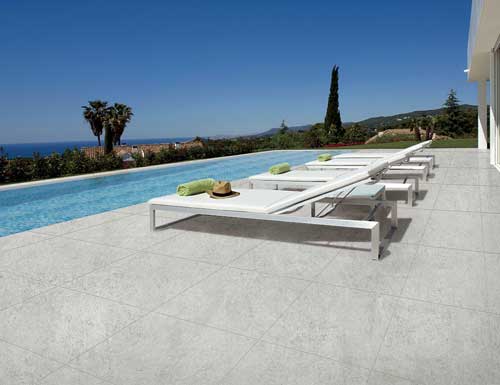
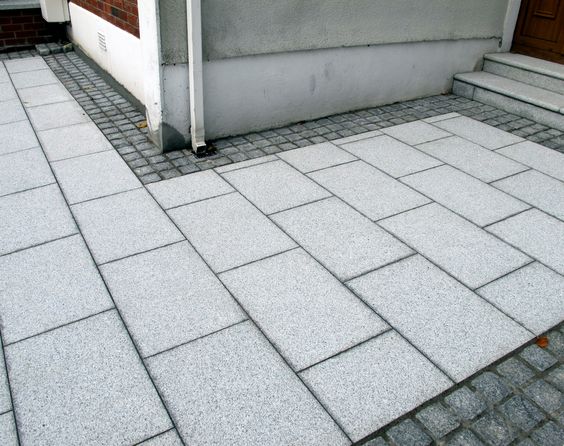
Porcelain tiles are one of the most popular choices for outdoor because of its durability, water resistance and ease of maintenance. It doesn’t absorb moisture, making it less prone to mold and mildew growth. Cleaning porcelain tiles is relatively easy—regular sweeping and occasional mopping with mild detergent are usually enough. However, textured porcelain tiles can trap dirt more easily, requiring occasional deep cleaning with a soft-bristle brush.

Ceramic Outdoor Tiles

Ceramic tiles are another common outdoor option, but they are slightly more porous than porcelain, making them more susceptible to staining. While they can withstand moderate exposure to outdoor elements, they require sealing in high-moisture areas. Cleaning involves gentle scrubbing with warm water and a neutral pH cleaner to avoid surface damage.

Natural Stone Tiles 

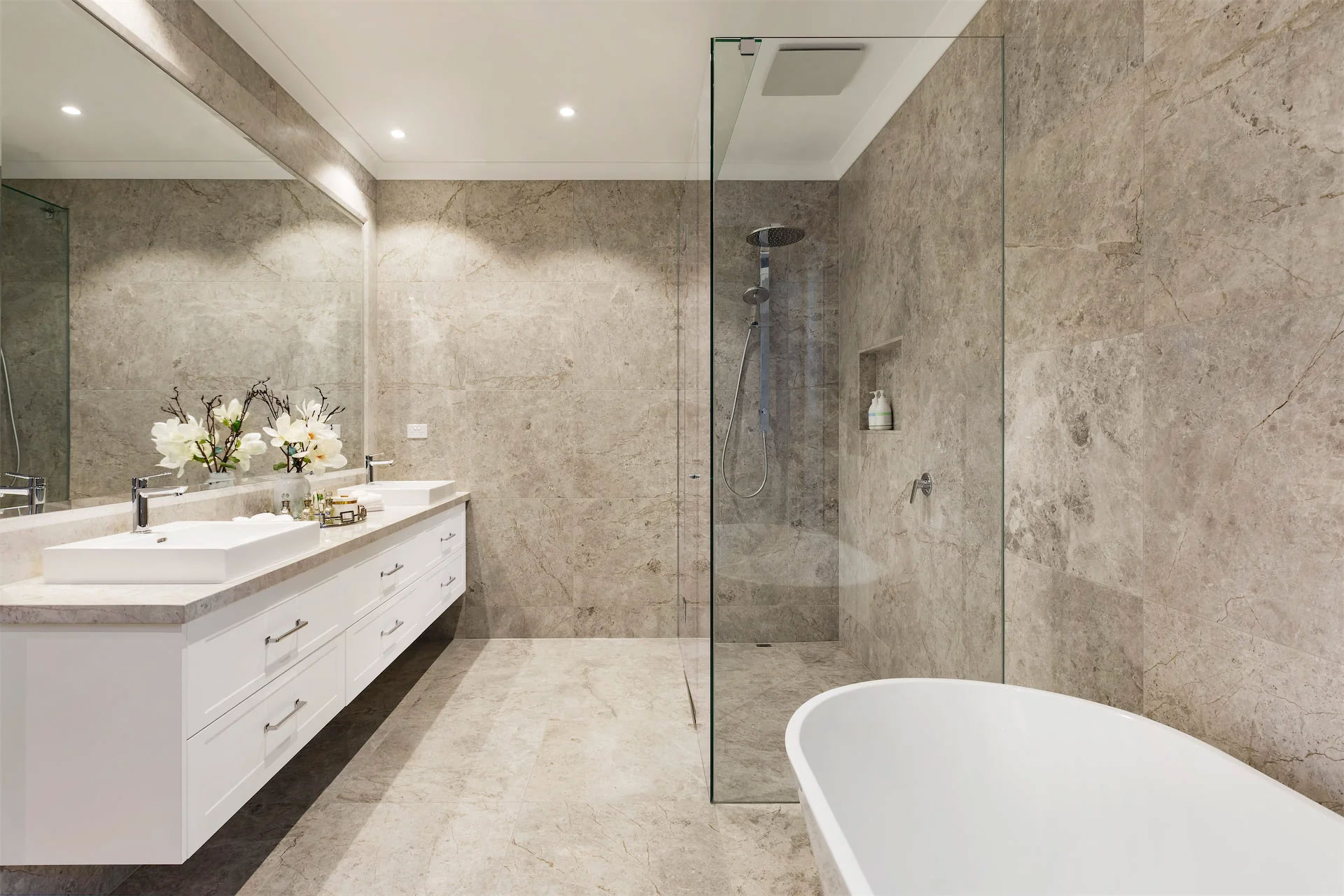
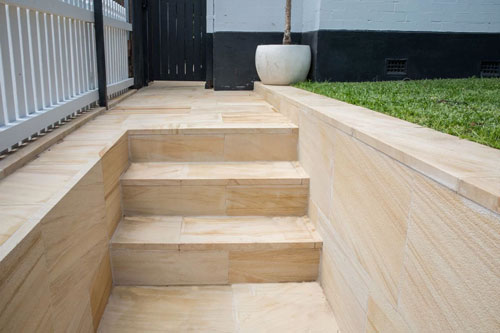
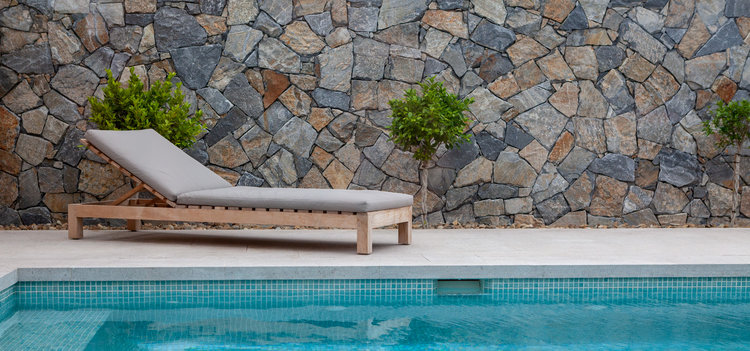
Natural stone tiles add a sophisticated and organic look to outdoor spaces, but they require more careful cleaning than ceramic or porcelain. Many stone tiles are highly porous and sensitive to acidic cleaners, which can cause etching and discolouration. Sealing is often necessary to prevent deep staining. Cleaning should involve pH-neutral or stone-specific cleaners and soft brushes to avoid surface scratches.

Concrete Tiles

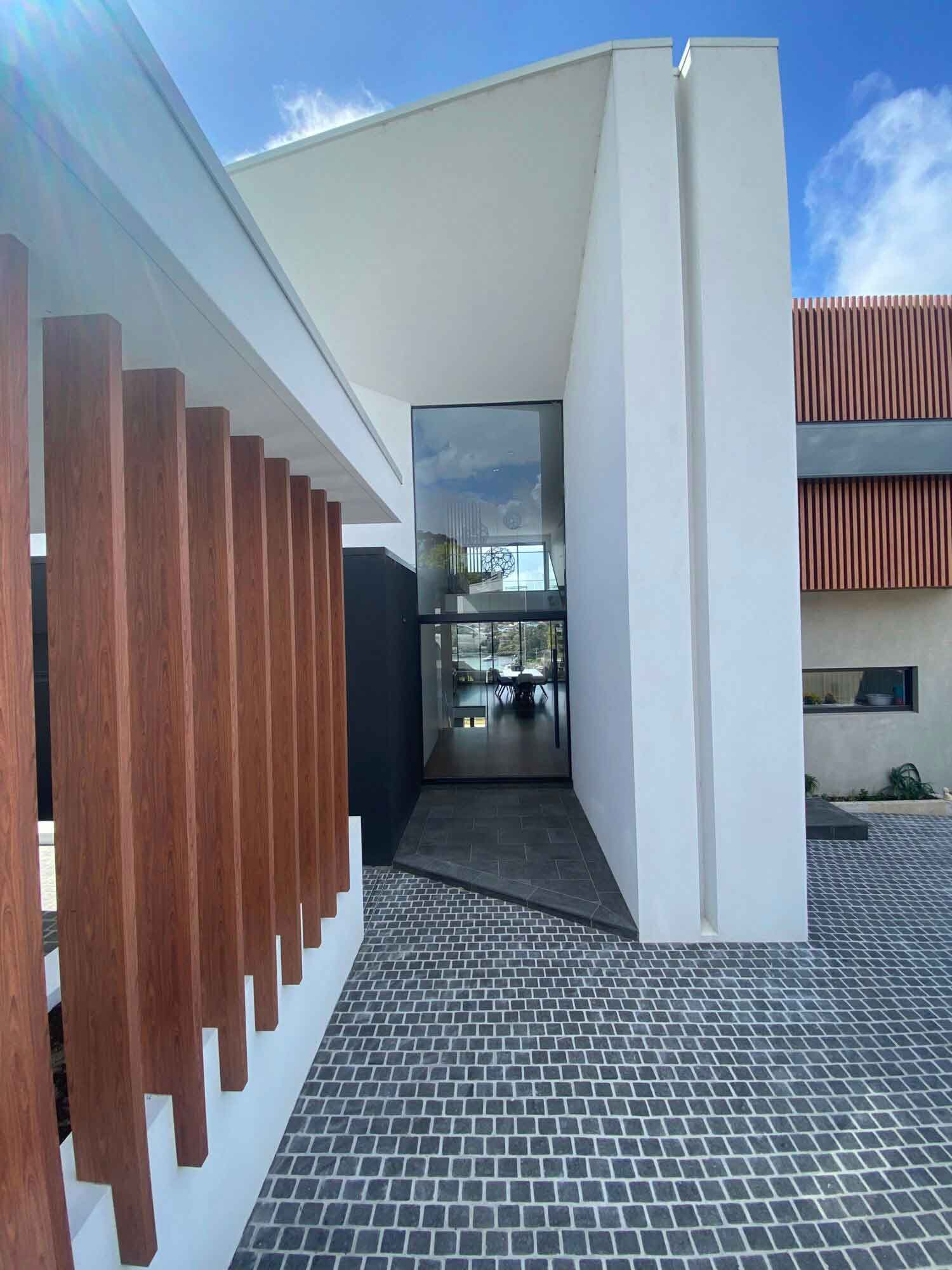
Concrete tiles are known for their durability but can be prone to dirt buildup and staining. Since concrete is porous, it readily absorbs water and contaminants, leading to discolouration and mold growth if not sealed properly. Pressure washing can be effective for deep cleaning, but excessive force should be avoided to prevent surface erosion.

Terracotta Tiles

Terracotta tiles have a rustic appeal but are highly absorbent, making them vulnerable to staining and moisture damage. They require sealing to remain resistant to dirt and grime. Cleaning should be done with mild soap and water, avoiding harsh chemicals that could degrade the surface. For pool edges, our Terracotta Bullnose Coping offers an easy-clean, low-maintenance solution.

Wood Look Tiles 

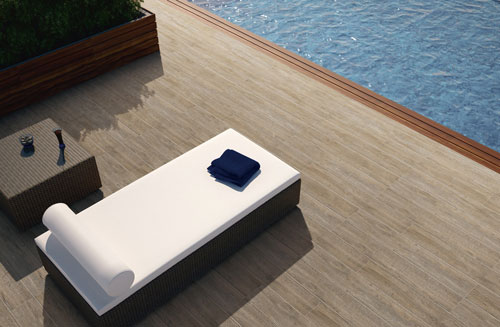
Wood look tiles provide the aesthetic of natural wood without the maintenance hassle. They are often made of porcelain or composite materials, making them resistant to moisture and stains. Regular cleaning with water and mild soap is sufficient, but textured surfaces may require scrubbing to remove embedded dirt.

Mosaic & Patterned Tiles for Outdoor Spaces

Mosaic tiles are often used for decorative patios and poolside areas, featuring intricate patterns. While stunning, they require extra attention to grout cleaning, as dirt and algae can accumulate in the grout lines. Gentle scrubbing with a soft brush and pH-balanced cleaner is ideal.

How Outdoor Tiles Get Dirty: Common Causes of Stains & Grime

Outdoor tiles are exposed to a variety of contaminants that cause them to lose their original shine and develop stains. Here are some of the most common culprits:


Dirt, Mud and Dust Accumulation

Regular foot traffic, wind and rain introduce dirt, dust and mud onto outdoor tiles. Over time, these elements settle into tile textures and grout lines, creating an unsightly, dull appearance.


Mold, Mildew and Algae Growth

Outdoor tiles in shaded or damp areas are prone to mold, mildew and algae. These microorganisms thrive in moisture, creating slippery, dis coloured surfaces. Regular cleaning and proper drainage can prevent this issue.


Water Stains, Mineral Deposits and Efflorescence

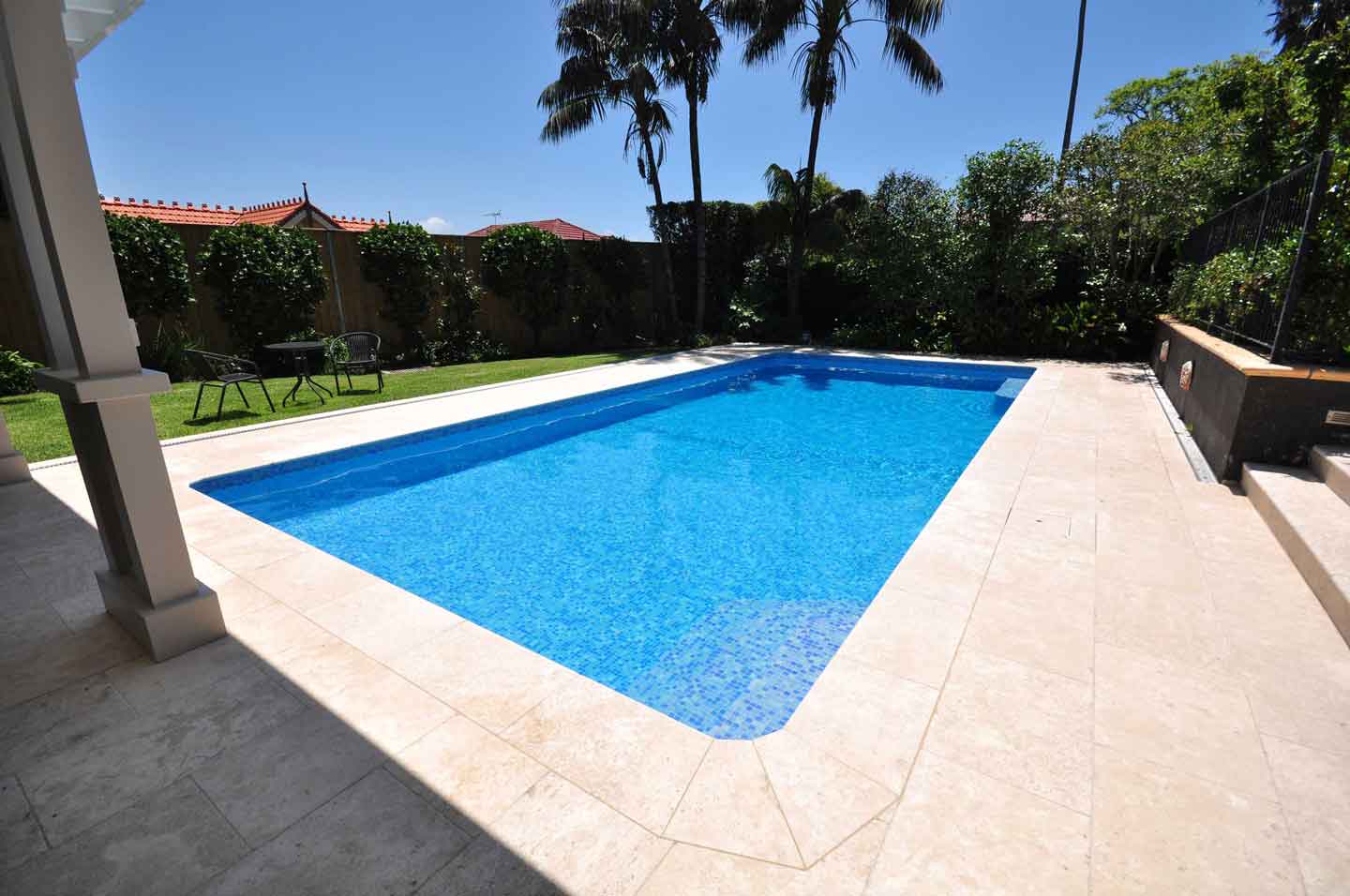
Hard water exposure can leave mineral deposits on tiles, creating white stains known as efflorescence. These stains are common in pool areas or places with frequent water exposure.


Oil and Grease Stains

Outdoor kitchens, BBQ area sand driveways often suffer from oil and grease stains. These are some of the toughest stains to remove, requiring degreasers or absorbent cleaning methods.


Organic Stains (Leaves, Bird Droppings, Pollen, etc.)

Leaves, pollenand bird droppings can leave behind stains that are difficult to remove if left unattended. Organic debris should be cleaned quickly to prevent permanent dis colouration.

How Often Should You Clean Outdoor Tiles?

The frequency of cleaning depends on location and exposure. High-traffic areas or tiles exposed to harsh weather should be cleaned weekly, while less-exposed tiles can be cleaned biweekly or monthly.

Recommended Tools & Equipment

  • Soft-bristle brushes & mops: Ideal for general cleaning
  • Pressure washer: Effective for deep cleaning concrete or durable tiles
  • Microfiber cloths: Useful for drying and preventing streaks
  • Buckets & spray bottles: For applying cleaning solutions evenly

How to Clean Outdoor Tiles Based on Material Type

Type of Tile
Cleaning Method
Porcelain & Ceramic Tiles
Sweep debris regularly and mop with a pH-neutral detergent.
Avoid using abrasive scrubbers that can scratch glazed surfaces.
Natural Stone Tiles
Use stone-specific cleaners and avoid acidic substances like vinegar.
Seal the surface to prevent deep stains and water absorption.
Concrete Tiles
Clean with mild soap and water or use a pressure washer for deep cleaning.
Apply a concrete sealer to prevent dirt buildup.
Terracotta Tiles
Gently scrub with mild detergent and water.
Seal every few years to maintain its rich colour and prevent water damage.

How to Remove Specific Stains from Outdoor Tiles

Type of Stain
Tips for Removal
Mold and Mildew
Use a mixture of water and bleach or hydrogen peroxide to kill mold spores.
Oil and Grease Stains
Apply baking soda or cornstarch to absorb oil before scrubbing with a degreaser.
Rust Stains
Use a commercial rust remover formulated for tile surfaces.
Hard Water and Calcium Deposits
A vinegar solution (for non-stone tiles) helps dissolve mineral buildup.

Best Cleaning Solutions for Outdoor Tiles: Choosing the Right Products

Using the correct cleaning solutions is crucial for maintaining the appearance and longevity of outdoor tiles. Different tile materials require different cleaners and using the wrong product can permanently damage the surface. 

Below, we’ll break down various types of cleaning solutions, their applications and important precautions when using them.


1. pH-Neutral Cleaners: Ideal for Routine Cleaning

For most outdoor tile surfaces, a pH-neutral tile cleaner is the safest option. These cleaners effectively remove dirt, grime and mild stains without damaging the tile’s finish.

This type of cleaner is best: Porcelain, ceramic, natural stone and concrete tiles. All you need to do is – dilute the cleaner with water, apply with a mop or soft brush and rinse thoroughly.

Avoid using excessive amounts though, the residue can leave streaks or dull the tiles.


2. Vinegar & Water Solution: A Natural Alternative 

A diluted vinegar and water mixture is a common DIY cleaning solution for outdoor tiles. Vinegar’s mild acidity helps dissolve mineral deposits, hard water stains and mild grime.

This solution is most suitable for: Porcelain, ceramic and concrete tiles (NOT for natural stone). Mix one part vinegar with four parts water, apply with a mop or sponge, scrub lightly and rinse with clean water. Never use vinegar on limestone, travertine or marble, as it can cause permanent etching and discolouration.


3. Oxygen Bleach or Hydrogen Peroxide: Removing Mold & Mildew

For mold, mildew and deep stains, an oxygen bleach solution (like OxiClean) or hydrogen peroxide can be highly effective without causing discolouration.

Apply the solution, let it sit for 10-15 minutes, then scrub and rinse.

Always test on a small area first to ensure no discolouration occurs.


4. Alkaline Cleaners: Heavy-Duty Degreasing Solutions

For outdoor kitchen tiles or tiles exposed to BBQ grease, an alkaline degreaser works best. These cleaners break down oils, fatsand grease buildup.

This cleaner is most ideal for driveway tiles, outdoor kitchens and BBQ areas.Spray directly on grease stains, scrub with a brush and rinse thoroughly.

Avoid using on delicate natural stones, as it may strip away protective sealants.


5. Commercial Tile & Grout Cleaners: Deep Cleaning & Stain Removal

For stubborn stains, efflorescence (white mineral buildup) or tough grime, specialized tile and grout cleaners provide deep cleaning.

These are best for hard-to-clean areas and deep grout cleaning.

Precaution: Some chemical cleaners contain harsh ingredients—always wear gloves and protective eyewear.

How to Prevent Mold, Mildew and Algae on Outdoor Tiles

Mold, mildew and algae are major concerns for outdoor tiles, especially in humid, shaded or rainy environments. Here’s how to prevent and eliminate them effectively:


Improve Drainage & Reduce Moisture Accumulation

  • Ensure proper slope: Water should drain away instead of pooling on tiles.
  • Fix leaks: Broken sprinklers, roof leaks or poor irrigation cause excessive moisture.


Use a Mold-Resistant Sealant

Applying a penetrating sealant to outdoor tiles helps prevent moisture absorption, reducing the risk of mold and mildew growth.


Regular Cleaning with Anti-Fungal Solutions

  • Wash with a diluted bleach solution (1:10 ratio) every few months.
  • For natural stone, use a pH-neutral anti-microbial cleaner.


Increase Sunlight Exposure & Airflow

  • Trim overhanging branches to allow more sunlight to dry surfaces naturally.
  • Use outdoor fans in humid climates to improve air circulation.
Peter Yusuf - Royal Tiles

Peter Yusuf

linkedin

Peter Yusuf is a seasoned Sales and Business Development Manager at Royal Tiles in Sydney, Australia, with a proven track record of success in the global architectural and interior design sectors. With over a decade of experience, he possesses a rich understanding of tile selection and design that has helped countless clients transform their spaces. Peter's expertise spans a wide array of materials and styles, positioning him as a trusted authority in the tile industry.

You May Also Like

March 17, 2025

Whether you want a spa-like retreat, a bold and dramatic statement or a timeless and classic look, understanding bathroom tile colours is essential to achieving the perfect aesthetic.

The right tile colour can transform an ordinary bathroom into a stunning sanctuary, but choosing the perfect hue isn’t just about picking your favourite shade. The colours you select influence mood, impact the perception of space and set the overall tone of your bathroom.

March 11, 2025

Terracotta tiles are making a comeback, now more than ever with modern designs, where their history is tied to the charm of ancient flavor. With the ancient heritage of centuries long, terracotta tiles impart warmth and ambience into an area. They are widely known for their durability and versatility, which allows the use of either indoors or outdoors, rendering a unique visual appeal that is eternal and alluring. This guide examines the different ways of incorporating terracotta tiles into your home, whether you are eyeing terracotta roof tiles for refreshing the facade or terracotta floor tiles for beautifying the indoors.

Terracotta tiles also, indeed, present a practical choice. They are durable and should do well in high-traffic areas, preserving their original luster with the right care through decades. Then again, terracotta tiles control a lot of cold hold heat, thus keeping interiors cooler when it is hot and warm when it is cold, maintaining a pleasant living environment along the seasons.

What you get by terracotta tiles is a product that is pleasing in terms of appearance and functional aptness. Therefore, any improvement around the house will be graced with some elegance when terracotta tiles are provided. You can shop terracotta tiles online in Australia at Royal Tiles or visit our largest tile shop in Sydney, Australia. 

March 10, 2025

Herringbone tiles can turn any space into an artistic masterpiece. They inculcate a unique glitz and glamour that is both classy and fun.

Very few tile patterns can do what herringbones can. Amalgamating sophistication and art into one isn’t something easy to achieve after all.

Call Now