Large vs Small Tiles: Which Makes a Room Look Bigger?

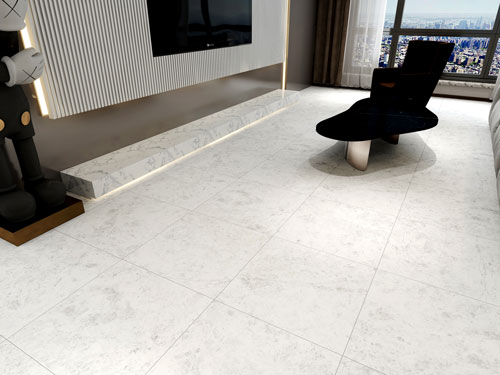
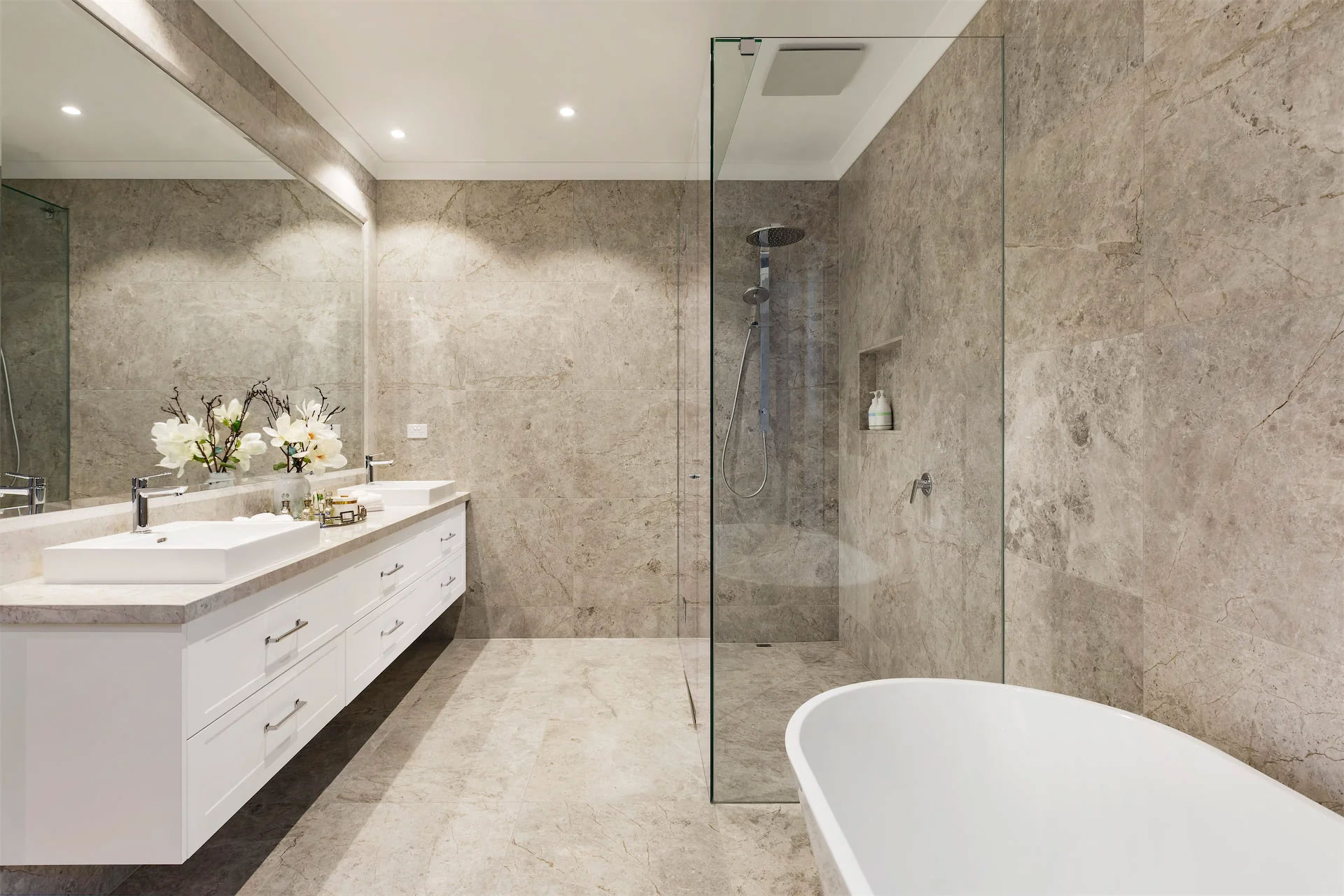
Large format porcelain tiles installed in modern Australian living room creating a seamless floor that makes the space feel bigger.
Peter Yusuf - March 13, 2026

Key Takeaways

  • Larger format tiles mean fewer grout lines and fewer grout lines make a room feel more open, it really is that simple.


  • Small tiles aren’t the enemy; they just work better in specific spots like shower floors and feature walls rather than everywhere.


  • Grout colour matters more than most people think, match it close to your tile and the whole surface feels seamless.


  • Mixing tile sizes usually gives the best result: large format for the main floor and walls and something smaller for the detail areas.

One of the most common things we hear from customers is some version of this: “It’s a small bathroom so I’m thinking smaller tiles.” And it makes sense as a starting point.

But after seeing hundreds of Sydney renovations, that instinct quietly leads a lot of homeowners to bathrooms that end up feeling even more closed in than when they started.

This guide covers:

  • How Tile Size Affects How Big a Room Feels.

  • Why large-format tiles often work better in small spaces.

  • When Small Tiles Can Actually Work Better.

  • The Real Secret: Grout Lines and Tile Layout.

  • Best Tile Sizes for Small Rooms.

  • Design Tricks That Instantly Make Rooms Look Bigger.

How Tile Size Affects How Big a Room Feels

It really comes down to grout lines. Every grout line is a visual break, a small interruption that your eye picks up, whether you notice it or not.

On a floor covered in small tiles, those breaks add up quickly across a small area. The surface starts to feel busy and the room reads as smaller than it actually is.

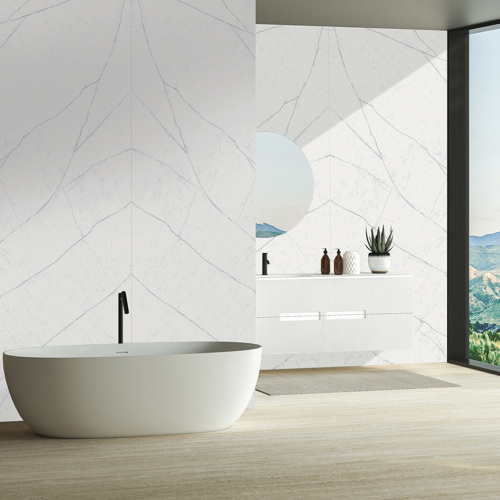
Larger tiles have far fewer of those breaks. The floor becomes one continuous surface and the eye just moves across it naturally without stopping. That uninterrupted flow is what creates the feeling of openness even in a tight space.

An image is a simple way to picture it. Take the same compact Sydney bathroom and tile it two ways:


Large vs small tiles comparison showing how large format tiles create fewer grout lines and make a bathroom feel bigger.

Why Large Format Tiles Often Make Rooms Look Bigger

Large format porcelain tiles used in a contemporary Sydney living space

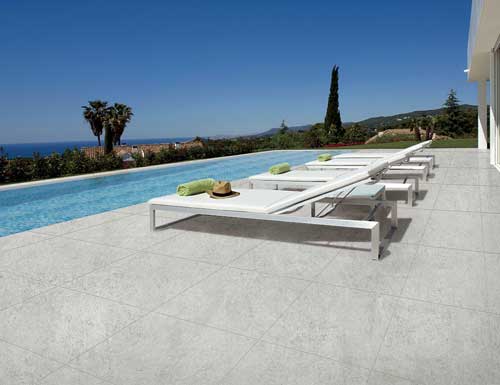
Large tiles work particularly well in smaller rooms which surprises a lot of homeowners. The reason designers keep recommending them even for tight spaces is that they bring several advantages at once.

Fewer grout lines mean less visual clutter. Cleaner sight lines make the floor or wall feel like one connected surface rather than a patchwork. The room stops feeling chopped up.

Common large-format tile sizes worth knowing:

  • 600x600mm: a reliable versatile choice for bathroom floors and walls.

  • 600x1200mm: increasingly popular in Sydney bathrooms and living areas; the elongated format adds real drama.

  • 800x800mm: great for larger bathrooms and open-plan spaces.

Pro tip: Choose a grout colour that closely matches the tile. The closer the match, the more the grout lines disappear and the more seamless the finish becomes. This single decision can make a significant difference to how spacious a tiled room feels.

When Small Tiles Can Actually Work Better

Rosso tumbled penny round mosaic tile used on a modern Australian bathroom shower floor.

Shower floors are one of the clearest examples. More grout lines like those found in, for example, mosaics and small tiles actually improve grip and slip resistance which matters a lot in wet areas.

Small tile styles that are doing a lot of work in Sydney homes right now:

  • Mosaic tiles: Classic flexible and available in stone, glass and ceramic finishes.

    Penny round tiles: Soft retro feel that works beautifully on feature walls and shower floors.

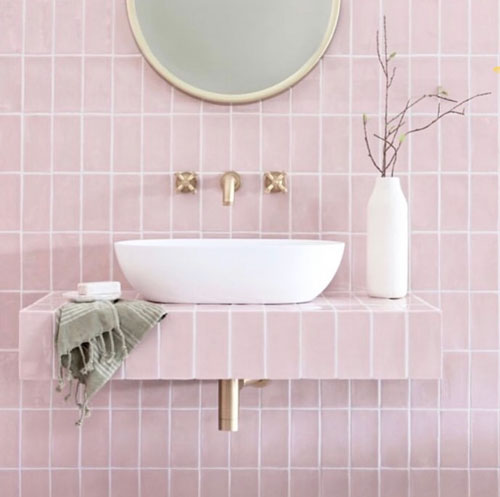
  • Kit Kat tiles: Long, thin and incredibly versatile for vertical feature walls.

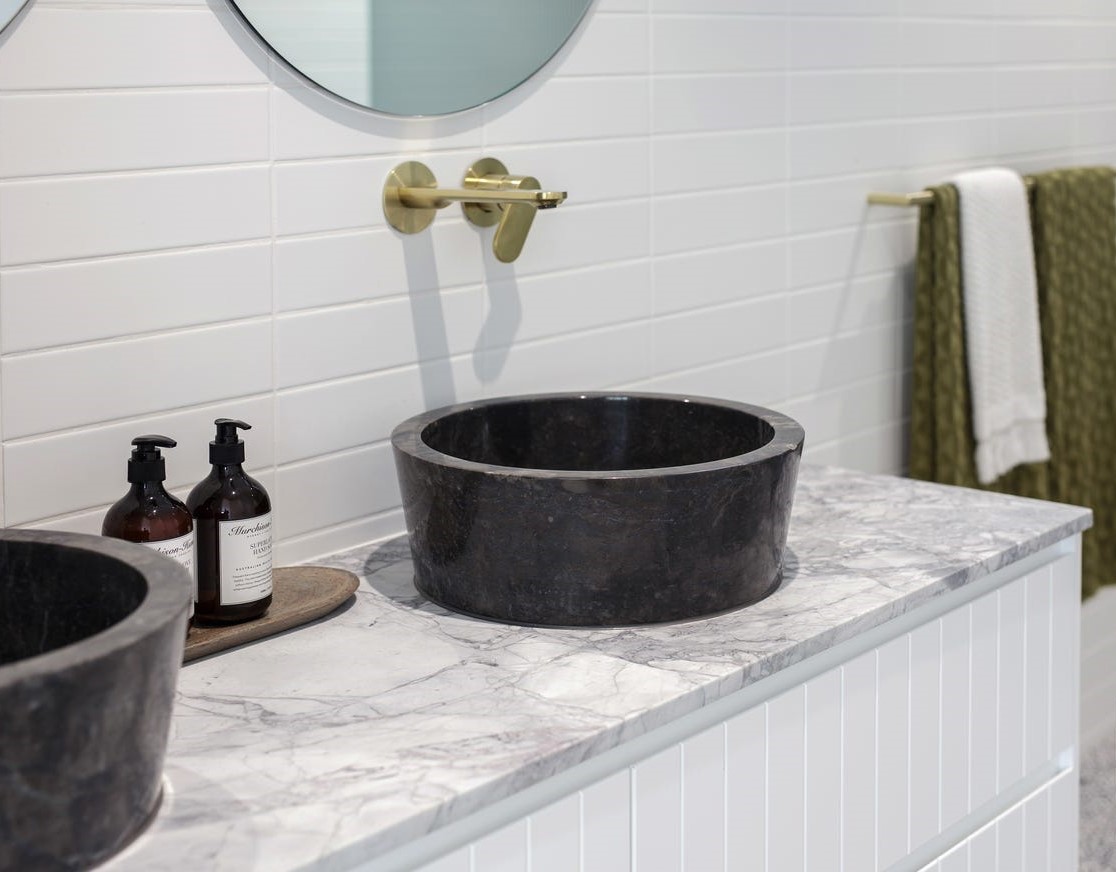
  • Subway tiles: Still a strong choice for kitchen splashbacks and bathroom walls.

The trade-off is that small tiles add more visual complexity. Used across an entire small room, that busyness can make the space feel more enclosed. The sweet spot is using them strategically, a feature wall, a shower floor, a splashback, rather than covering every surface. 

If you’re exploring mosaic options, the Royal Tiles bathroom mosaic tiles collection is a great place to start for feature walls and shower floors.

The Real Secret: Grout Lines and Tile Layout

Tile layout comparison showing straight grid, brick offset and vertical stack patterns with matching and contrasting grout examples in modern tile design.

Tile size is important but layout and grout choice can be just as influential on how a room feels.

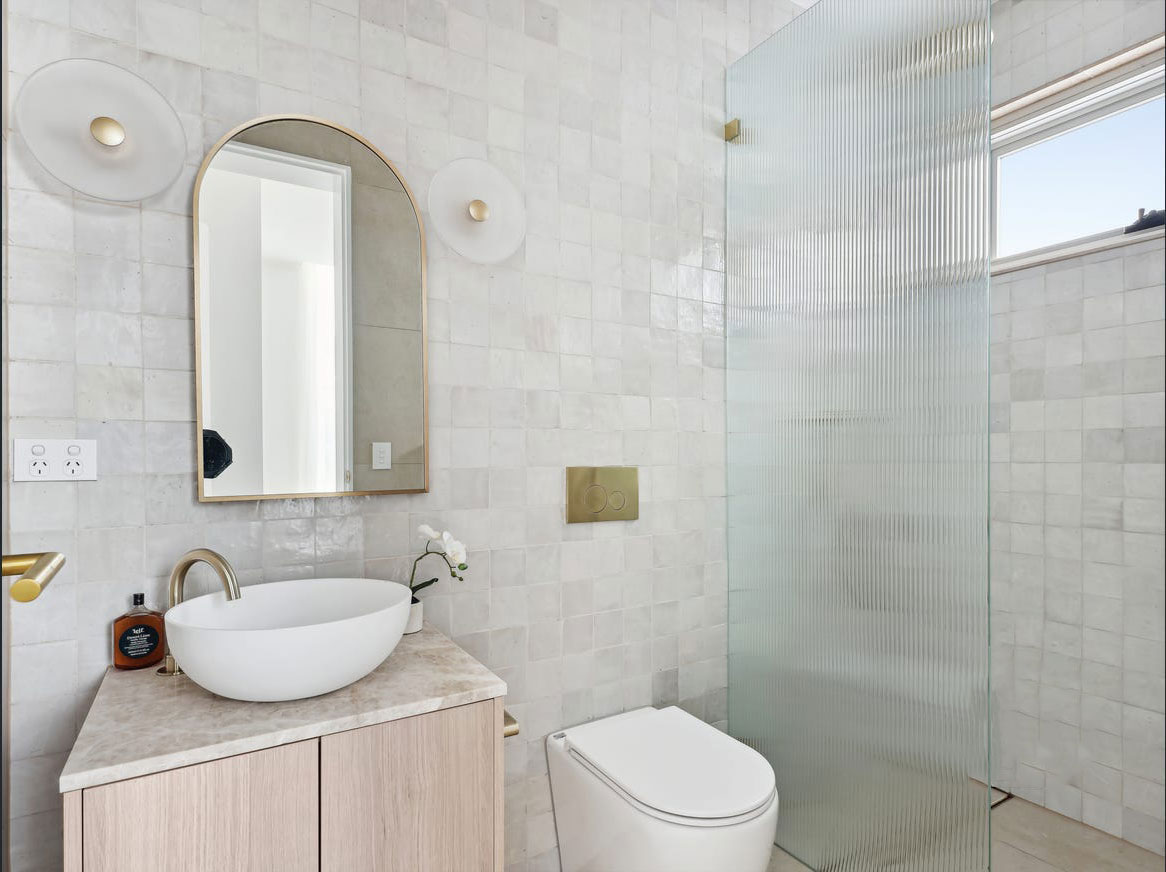
Grout colour is probably the most underused design tool in tiling. Dark or contrasting grout emphasises individual tiles and adds definition. Matching grout creates a near-seamless surface that makes tiles blend and rooms feel larger.

Layout direction also matters quite a bit:

  • Straight grid: Clean and classic; works well with large format tiles.

  • Brick offset (running bond): Adds movement and works particularly well with rectangular tiles.

  • Vertical stack: Running rectangular tiles vertically on walls creates the impression of higher ceilings.

Even small changes to grout spacing and alignment can shift the whole feeling of a space. For a deeper look at this, the Royal Tiles guide on how to choose the right grout colour walks through exactly how grout affects the overall tile finish.

Best Tile Sizes for Small Rooms

Different rooms call for slightly different approaches. The image shows a practical breakdown of the spaces that come up most in Sydney renovations:

Best tile sizes for small bathrooms showing large format floor tiles, vertical wall tiles and mosaic shower floor tiles in modern Australian bathroom design.

The best tile laying patterns guide at Royal Tiles covers this in detail with visual examples for every room type.

The direction tiles run can do as much visual work as the size itself, it is one of those details worth planning before purchase.

Magazine and flower pot on white penny round mosaic tile floor Magazine and flower pot on white penny round mosaic tile floor mobile version

Slash prices, not your budget!

Enjoy savings of up to
50% on all the clearance items.

Design Tricks That Instantly Make Rooms Look Bigger

Good tile selection is one part of the equation. How tiles are used in the broader space is the other. A few principles that designers lean on consistently:

Go large on tile size. The bigger the tile, the fewer the breaks and the bigger the room feels.

Match grout to tile colour. This is possibly the single easiest win for creating a seamless, spacious finish.

Run tiles wall-to-wall without borders. Borders and trim pieces add visual breaks at the edges, which can make a room feel boxed in.

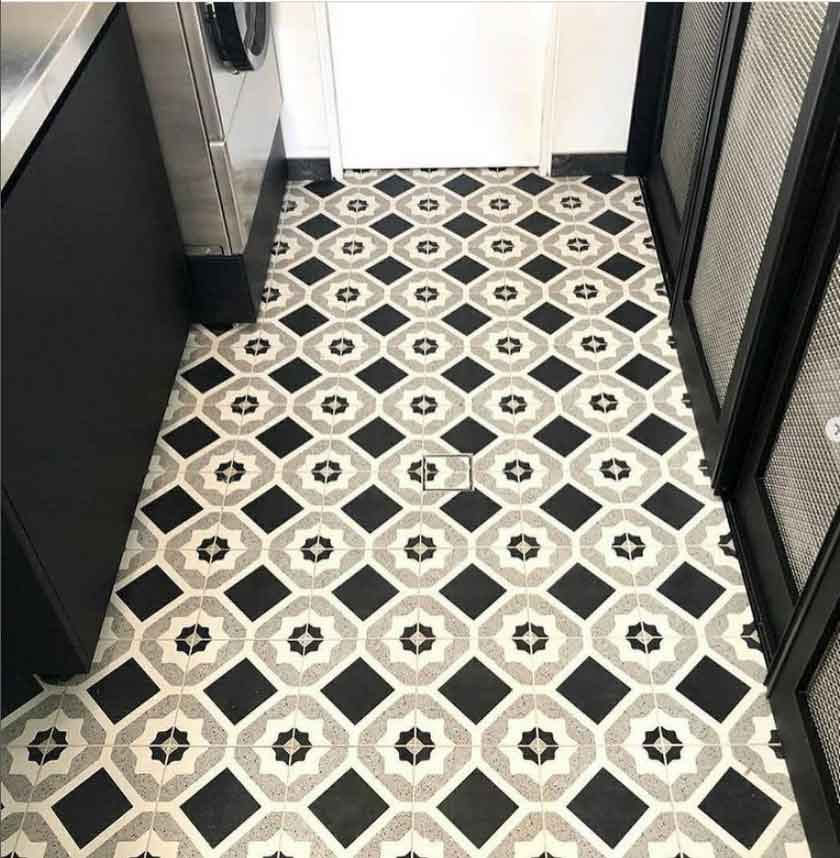
Keep the palette simple. Multiple tile patterns in a small space compete for attention and fragment the room visually.

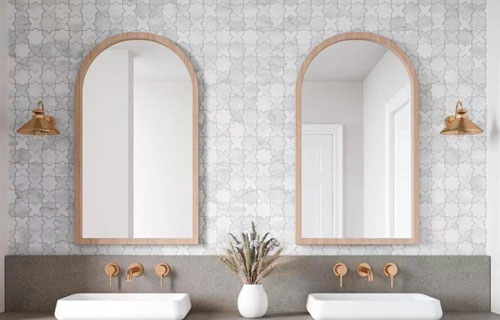
Use light tones. Soft whites, warm beiges, pale greys and stone-look neutrals reflect more light and read as more open. This is why they dominate current tile trends across Sydney bathrooms and kitchens.

Consider gloss finishes in low-light spaces. A gloss or polished tile reflects available light into the room, useful in bathrooms that do not get much natural light which is common in Sydney terrace homes and apartments. 

For a full breakdown on this decision, the polished vs matte porcelain tiles guide by Royal Tiles is worth reading before you commit.

Large Tiles vs Small Tiles: Quick Comparison

Large Format Tiles
Small Tiles
Grout lines
Fewer
More
Visual effect
Seamless, open
Textured, detailed
Room perception
Makes rooms feel larger
Can feel busier in small spaces
Best for
Floors, walls, open-plan areas
Shower floors, feature walls, splashbacks
Practical notes
Easier to clean, fewer grout joints
Better for curved surfaces, wet floors

The best approach in most spaces combines both. The combination gives a room both the feeling of space and the warmth of texture.

Large or Small Tiles: Stop Guessing Which Makes Your Room Look Bigger

You have heard both sides. Which makes your bathroom or living room look more spacious? 

The answer depends on your room size, layout and how light hits the space. We will show you both options in real settings, explain when large format works and when it backfires and help you choose tiles that maximise your space instead of shrinking it.

Explore the large-format porcelain tiles collection at Royal Tiles and the full bathroom tiles range. They are all available to see in person at the Auburn showroom. We are only 25 to 35 minutes from Sydney CBD.

Request samples, or browse our tiles online.

We work with homeowners across Sydney, Chatswood, Mosman and throughout NSW.

Book Your Space-Maximising Consultation — Make your room feel bigger with the right tile choice.

Contact Royal Tiles | 255 Parramatta Rd, Auburn NSW 2144 | Open 7 Days | royaltiles.com.au


Frequently Asked Questions

Are large tiles better than small tiles?

Generally yes but it depends on where you're using them. For floors and main walls, large tiles almost always look cleaner and feel more spacious. Small tiles are still great though — just use them where they actually make sense like a shower floor or a feature wall rather than everywhere.

Are large format tiles better?

For most Sydney homes, they're a really solid choice. Less grout to clean, fewer lines breaking up the surface and the room just feels more put together. They've become the go-to for bathrooms and living areas for good reason.

What are the disadvantages of large tiles?

They do need a properly prepared flat surface underneath, if the floor isn't level, it shows more than it would with smaller tiles.

Do larger tiles make a room look smaller?

Not really. The worry makes sense but in practice, larger tiles with a matched grout colour almost always make a room feel more open. The only time it can go wrong is if the tile is genuinely oversized for the space with no thought given to scale, but that's more of an extreme case than something most people need to worry about.

Peter Yusuf - Royal Tiles

Peter Yusuf

linkedin

Peter Yusuf is a seasoned Sales and Business Development Manager at Royal Tiles in Sydney, Australia, with a proven track record of success in the global architectural and interior design sectors. With over a decade of experience, he possesses a rich understanding of tile selection and design that has helped countless clients transform their spaces. Peter's expertise spans a wide array of materials and styles, positioning him as a trusted authority in the tile industry.

Green Tiles: The Complete Style Guide for Sydney Homes

Green Tiles: The Complete Style Guide for Sydney Homes

September 30, 2026

Green tiles cover more design territory in Sydney bathrooms and kitchens than most people expect. Sage green mosaics on a…

Cobblestone Pavers Guide:<br>Natural Stone & Porcelain Cobblestone Tiles

Cobblestone Pavers Guide:
Natural Stone & Porcelain Cobblestone Tiles

September 10, 2026

Cobblestone pavers are small-format natural stone or porcelain tiles used for driveways, courtyards, garden paths and selected poolside applications. Royal…

The Right Order to Choose Tiles for a Whole Home Renovation

The Right Order to Choose Tiles for a Whole Home Renovation

August 31, 2026

Planning an exciting whole home renovation for a soulful interior design? A whole-home renovation is the perfect chance to give…

Call Now