Porcelain Tiles vs Timber Look Tiles:
Which Is Right for Your Australian Home?

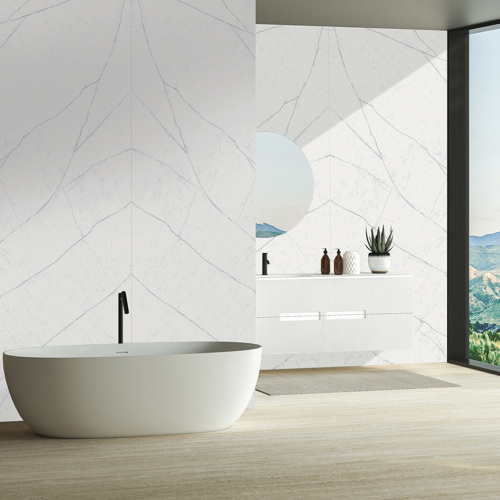
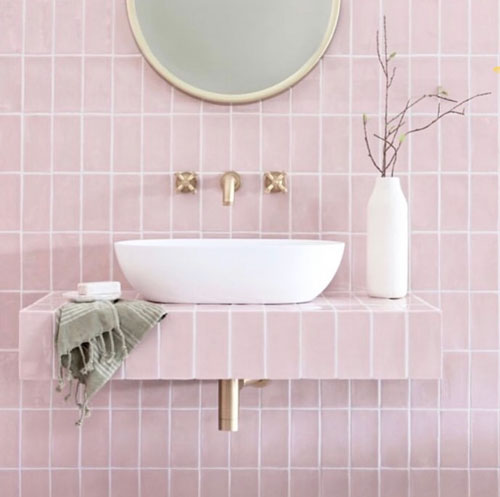
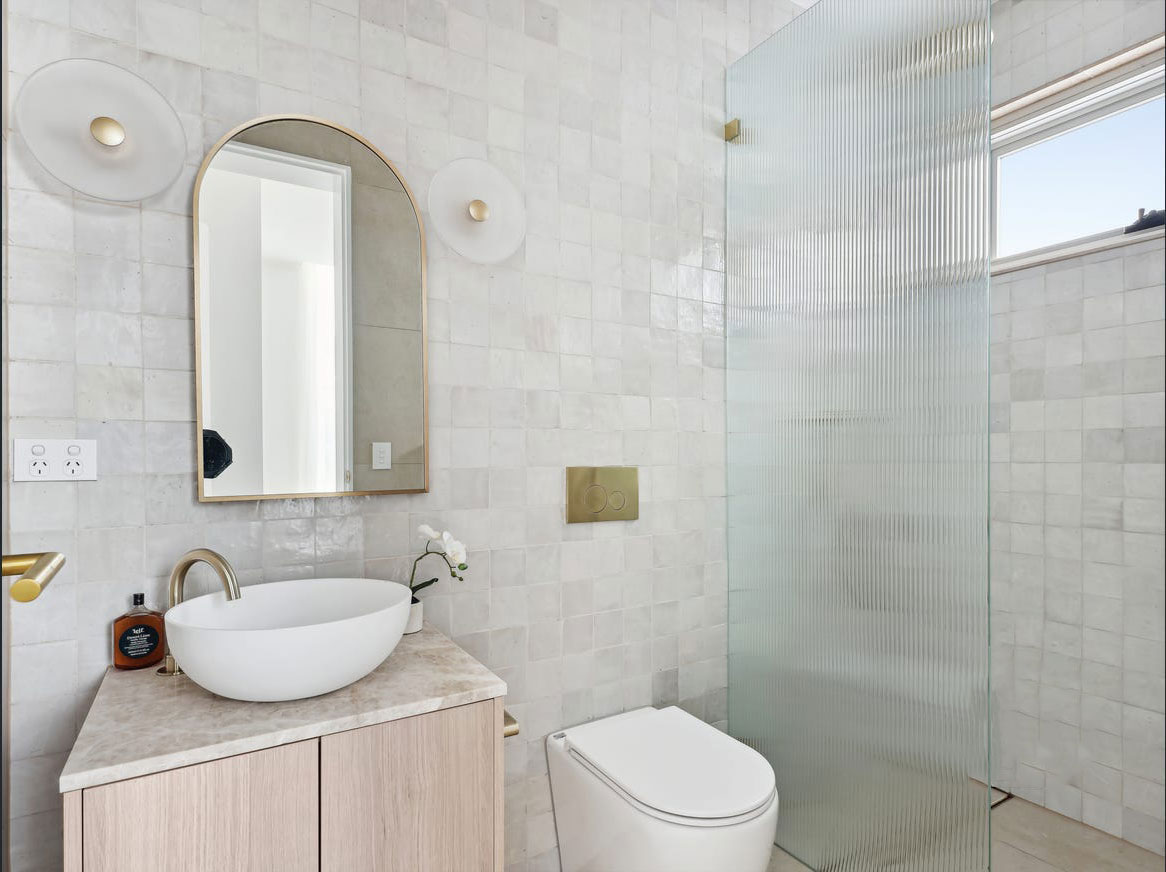
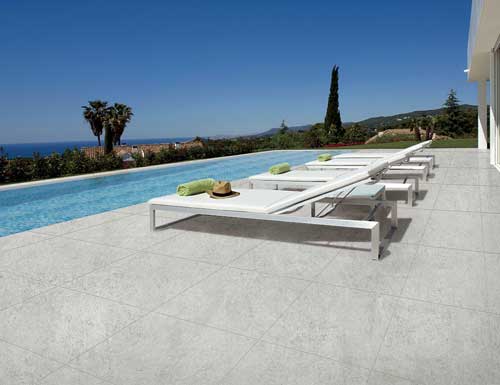
Side-by-side comparison of porcelain tiles and timber look tiles in modern Australian living spaces, featuring large-format stone-look porcelain flooring and warm herringbone timber-look tiles.
Peter Yusuf

Most customers Visiting our showroom assume porcelain tiles and timber look tiles are two different materials. They are not. Timber look tiles are porcelain tiles, made from the same dense, fired clay body, performing the same way and requiring the same level of maintenance.

What you are actually deciding is whether you want the grain, tone and tactile quality of a timber-style floor or the clean, unfussy finish of a plain or stone-look porcelain.

Key Takeaways:

  • Both options are the same material. The difference is entirely in how the surface looks and what it brings to a room.

  • Both are scratch resistant, stain resistant and waterproof. Neither needs anything beyond a regular sweep and damp mop to be maintained.

  • Timber look tiles give a room visual texture and a sense of being lived in before the furniture arrives. Plain porcelain gives you a quieter floor that lets the architecture and furniture lead.

  • Both work in bathrooms, kitchens, living areas and laundry rooms. Confirm the slip rating before purchasing for any outdoor or wet area application.

  • The price gap between mid-range options is rarely more than a few dollars per square metre. The real cost difference shows at the quality end of the timber look range, where better grain variation and surface embossing cost more to produce.

  • The most common mistake our customers make is choosing at the lower end of the timber look range to save money. At that end the repeat pattern is visible at close range and the floor reads as printed rather than natural.

  • If you want the floor to carry the character of the room on its own, timber look tiles are the more direct path. If you want the floor to stay out of the way and let everything else lead, plain or stone-look porcelain is the right choice.

What Are Porcelain Tiles?

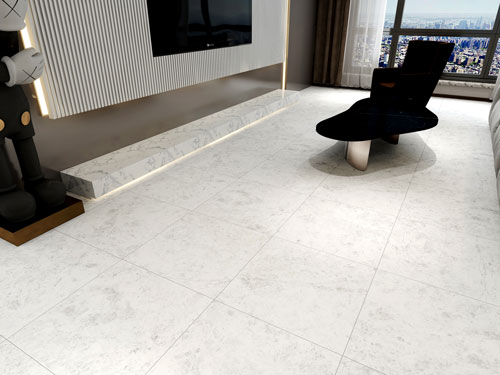
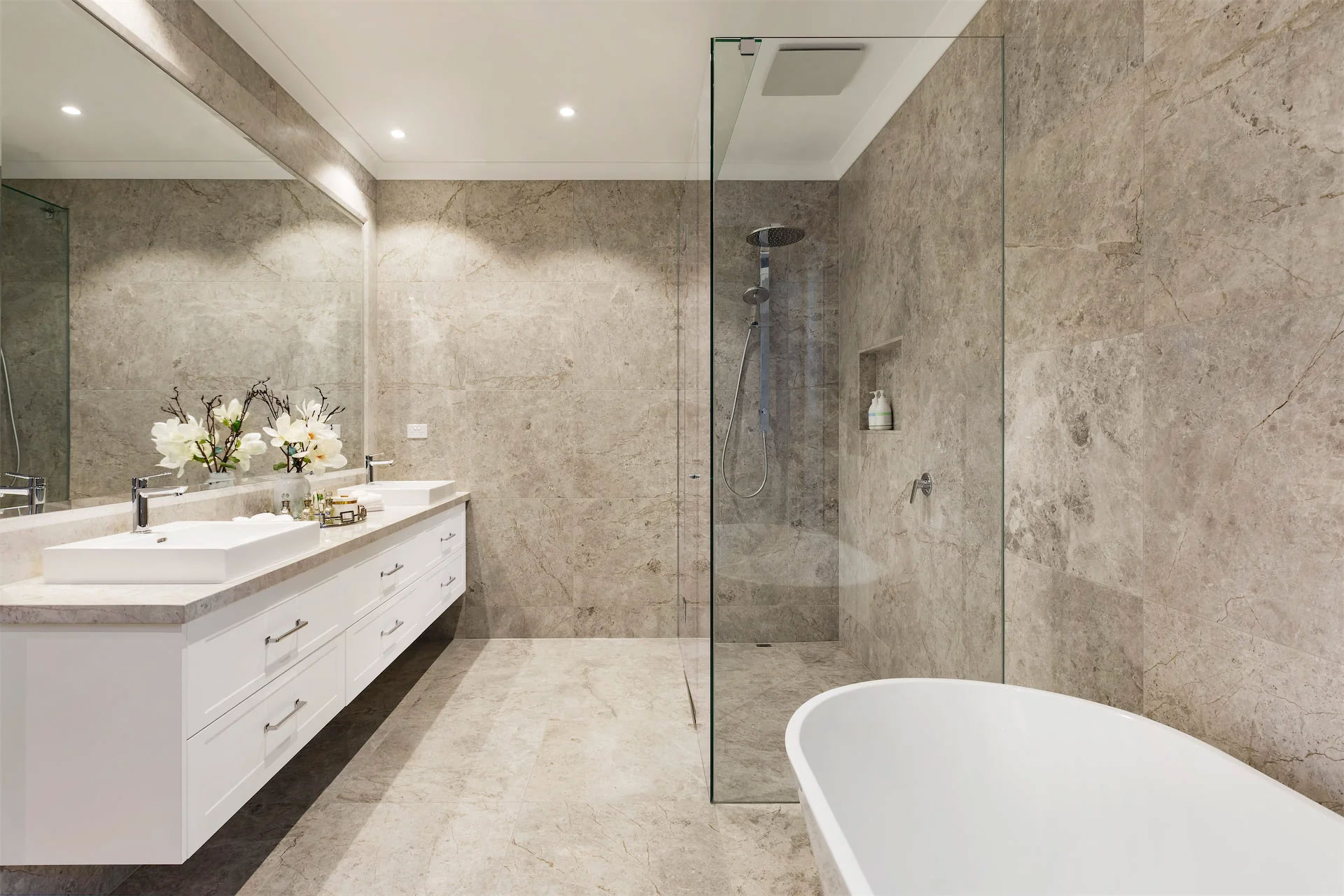
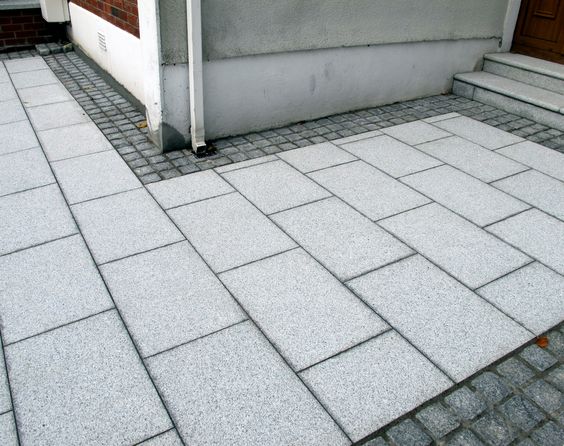
 porcelain granite look floor tiles in a large-format in Sydney open-plan

Porcelain tiles like granite look tile shown above,  are fired at higher temperatures than standard ceramics, which produces a denser body with water absorption below 0.5 per cent. That density is what allows the same material to perform across floors, walls, wet areas, outdoor spaces and commercial environments, provided the specific product carries the right slip rating for the application.

What our customers often discover when they visit our showroom is how much surface variety sits within one material. Manufacturers finish the same porcelain body to read as honed marble, aged limestone, raw concrete, natural timber grain or a clean plain stone. Large format porcelain in a matte or honed finish is currently the most specified floor in Sydney open-plan renovations because the reduced grout lines, the hardwearing surface and the quiet visual weight let the rest of the room lead.

Porcelain does not warp in a steamy bathroom, fade on a north-facing alfresco or lift when temperatures push past 40 degrees. Our customers who renovate a second time come back to it because it performed exactly as expected the first time, which in a renovation is rarer than it sounds.

What Are Timber Look Tiles?

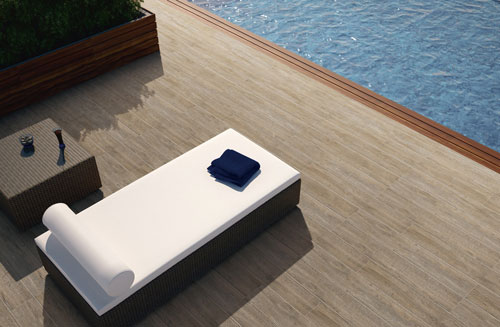
Timber look porcelain tiles in warm walnut tone laid in herringbone pattern in Australian living room

Timber look tiles like the warm timber-toned herringbone floor shown above, are porcelain tiles printed and textured to replicate real timber planks. The production process uses high-resolution digital printing to reproduce timber grain at a level of detail that can be genuinely hard to distinguish from the real thing, particularly in photographs and from a standing height.

They typically come in long, narrow plank formats that mirror the proportions of standard timber boards. The range covers blonde and honey oak, warm walnut, grey-washed, white-washed, charcoal and darker ebony tones. The surface texture is embossed to replicate the grain, which adds to the realism underfoot.

The laying pattern matters. A straight stagger is the most common and works well in most spaces. Herringbone and chevron layouts add visual weight and work particularly well in hallways and feature floors, though they require more careful planning and more cuts.

Are timber look tiles outdated? Our customers ask this regularly and the honest answer is no. The style has matured significantly over the past decade. Earlier ranges had obvious repeat patterns that gave them away at a glance. Current ranges from quality manufacturers vary the grain pattern across enough tiles that the floor reads as genuinely natural. The difference between a realistic timber look tile and a dated one is visible the moment you see them side by side in the showroom.

Porcelain Tiles vs Timber Look Tiles: Key Differences at a Glance

Note: Both options are porcelain. This comparison covers aesthetics, application suitability and design style, not material quality.

Standard Porcelain
Timber Look Tiles
Material
Porcelain
Porcelain
Appearance
Stone, marble, concrete or plain finish
Timber grain with plank format
Common formats
Square and rectangular, various sizes
Long plank formats, 150x600mm to 200x1200mm and larger
Design direction
Minimal, contemporary, Japandi, architectural
Coastal, Hamptons, Scandinavian, warm Australian interiors
Wet area suitability
Yes
Yes
Outdoor suitability
Yes, with the correct slip rating confirmed
Yes, if specifically rated for outdoor use and slip resistance
Maintenance
Sweep and damp mop
Sweep and damp mop
Slip rating
Varies by product; confirm before purchasing

Appearance and Design Style

Side-by-side comparison of standard porcelain tiles and timber-look tiles in modern Australian interiors, showing minimalist grey stone-look porcelain flooring versus warm timber-style flooring with natural texture and coastal tones.

This is where the two options genuinely diverge and it is the only category where they diverge significantly.

Standard porcelain gives you the widest possible design range. A large format grey stone-look porcelain in a 1200x600mm format creates a floor that reads as quiet and contemporary. A white honed porcelain in a 600x600mm format works in almost any interior from coastal to heritage. The clean lines of a plain or stone-look porcelain floor suit minimalist, Japandi and modern contemporary interiors where the architecture and furniture are doing the visual work.

Timber look tiles do something that plain porcelain cannot, which is bring warmth into a room before anything else is in it. The grain, the tonal variation and the plank format give a floor visual texture and a sense of homeliness that takes longer to achieve with plain porcelain. Our customers who specify timber look tiles in living areas almost always say the same thing when we see them after installation: the floor made the room feel finished before the furniture arrived.

Grey-washed and white-washed tones are particularly popular in Australian homes right now. They sit comfortably in coastal, Hamptons and relaxed contemporary interiors without committing hard to any one style direction.

Durability and Performance

Because both options are porcelain, their performance characteristics are identical in every practical sense. Both are scratch-resistant, stain-resistant and water-resistant. Neither warps, swells nor fades with moisture exposure, which gives both a clear practical advantage over real timber in kitchens, bathrooms and laundry areas. Neither requires sealing. Both handle high foot traffic without meaningful wear over time.

If a tile is damaged, you can remove and replace individual tiles without lifting the entire floor, provided you kept spare tiles from the original batch. This is worth planning for at the time of purchase; order ten per cent more than you need and store them.

The one performance variable worth checking before you buy is slip resistance. Each product carries its own rating and for wet areas or outdoor spaces, the rating of the specific tile matters more than the category it sits in. Your tiler can advise on appropriate adhesive and grouting requirements for whichever product you choose.

Best Rooms for Each

Living rooms and open-plan areas. 

Timber look tiles are one of the most popular choices for living and dining floors in Sydney renovations. They bring warmth to large open-plan spaces where plain porcelain can sometimes feel cold. Large format plain porcelain works exceptionally well here too, particularly if the design direction is minimal or architectural.


Bathrooms

Both work well in bathrooms and both carry a practical advantage over real timber, which cannot tolerate sustained moisture exposure. Timber look tiles in a bathroom create a resort-style feeling that our customers respond to strongly, particularly in ensuite renovations where the brief is to create something considered and calm. See the full range of bathroom tiles if you are planning a renovation.

Emily Youssef, who tiled her entire home through Royal Tiles, put it simply:


We recently tiled our entire home with Royal Tiles and couldn’t be happier! From floor to bathroom and pool tiles, the selection was amazing, the prices were great, and the staff were incredibly helpful and knowledgeable. The whole process was smooth and stress-free, and the results are stunning. Highly recommend!

Emily Youssef

Emily Youssef

  • ★
  • ★
  • ★
  • ★
  • ★

Kitchens

Both options suit kitchen floors. Timber look tiles add warmth to a kitchen that can otherwise be dominated by hard surfaces. Plain porcelain in a lighter tone or stone look works well in kitchens where the splashback or cabinetry is already doing the visual work. For more on kitchen floor options, the kitchen floor tiles range gives a useful overview.

Bedrooms

Timber look tiles are consistently popular in bedrooms. The grain underfoot suits a bedroom in a way that plain stone-look porcelain sometimes does not.

Outdoor areas

Standard floor tiles designed for outdoor use and porcelain pavers are the better outdoor choice for patios, pool surrounds and alfresco areas. We do not recommend timber look tiles for outdoor use and you should always confirm the slip rating for any outdoor application before purchasing.

Cost

Both options sit in a similar price bracket, with variation driven by format, finish, quality and the specific range. Timber look tiles in some ranges carry a small premium over plain porcelain in the same format. In both cases, the long-term cost comparison with real timber flooring favours tile because tile removes ongoing maintenance costs entirely.

For current pricing, ordering samples before committing is the most reliable way to make a sound decision. You can order tile samples from the Royal Tiles website and compare them at home under your own lighting before purchasing.

The Difference Is Clearer In Person

The difference between a timber look tile that reads as warm and considered and one that reads as dated is something you see immediately in person. Photos flatten it. Samples bring it back.

Royal Tiles is at 255 Parramatta Road Auburn, around 25 to 35 minutes from the Sydney CBD, with a second showroom now open in Lidcombe. If you are renovating anywhere across Western Sydney, both locations carry the full timber look range and the stone look porcelain range side by side.


Three ways to move forward:

Browse the full timber look tile range to see what is currently in stock across formats and tones.

Order samples to take home and compare under your own lighting against your cabinetry, benchtop or existing flooring before you commit.

Book your free flooring tile consultation and we will pull both options so you can see them side by side and make the call in person.

Magazine and flower pot on white penny round mosaic tile floor Magazine and flower pot on white penny round mosaic tile floor mobile version

Slash prices, not your budget!

Enjoy savings of up to
50% on all the clearance items.

Frequently Asked Questions

What type of tile is recommended for an outdoor balcony?

Porcelain tiles are recommended for an outdoor balcony in Sydney. They are very dense and need very little maintenance. They are also water-resistant. Porcelain tiles are available in different finishes, including stone look, travertine look, and timber look.

What slip rating should balcony tiles have?

The slip rating of balcony tiles should be at least P4. However, in places where heavy rainfall occurs, P5-rated tiles are recommended. Slip-resistant tiles are recommended for outdoor flooring.

Can indoor tiles be used for an outdoor balcony?

Indoor tiles should not be used for an outdoor balcony because they are not suitable for outdoor conditions. They are not resistant to moisture and are not suitable for an outdoor environment. Outdoor tiles are made to withstand outdoor conditions and are more slip-resistant.

Peter Yusuf - Royal Tiles

Peter Yusuf

linkedin

Peter Yusuf is a seasoned Sales and Business Development Manager at Royal Tiles in Sydney, Australia, with a proven track record of success in the global architectural and interior design sectors. With over a decade of experience, he possesses a rich understanding of tile selection and design that has helped countless clients transform their spaces. Peter's expertise spans a wide array of materials and styles, positioning him as a trusted authority in the tile industry.

Green Tiles: The Complete Style Guide for Sydney Homes

Green Tiles: The Complete Style Guide for Sydney Homes

September 30, 2026

Green tiles cover more design territory in Sydney bathrooms and kitchens than most people expect. Sage green mosaics on a…

Cobblestone Pavers Guide:<br>Natural Stone & Porcelain Cobblestone Tiles

Cobblestone Pavers Guide:
Natural Stone & Porcelain Cobblestone Tiles

September 10, 2026

Cobblestone pavers are small-format natural stone or porcelain tiles used for driveways, courtyards, garden paths and selected poolside applications. Royal…

The Right Order to Choose Tiles for a Whole Home Renovation

The Right Order to Choose Tiles for a Whole Home Renovation

August 31, 2026

Planning an exciting whole home renovation for a soulful interior design? A whole-home renovation is the perfect chance to give…

Call Now