Slip Resistant Tiles Sydney:
Choosing the Right P & R Ratings for Kitchens & Bathrooms

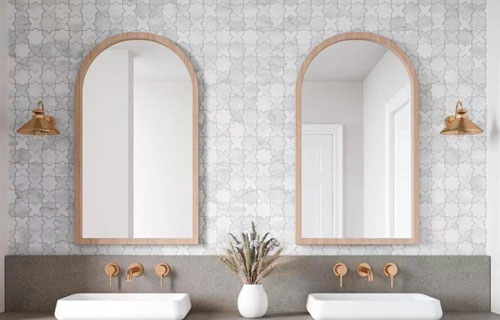
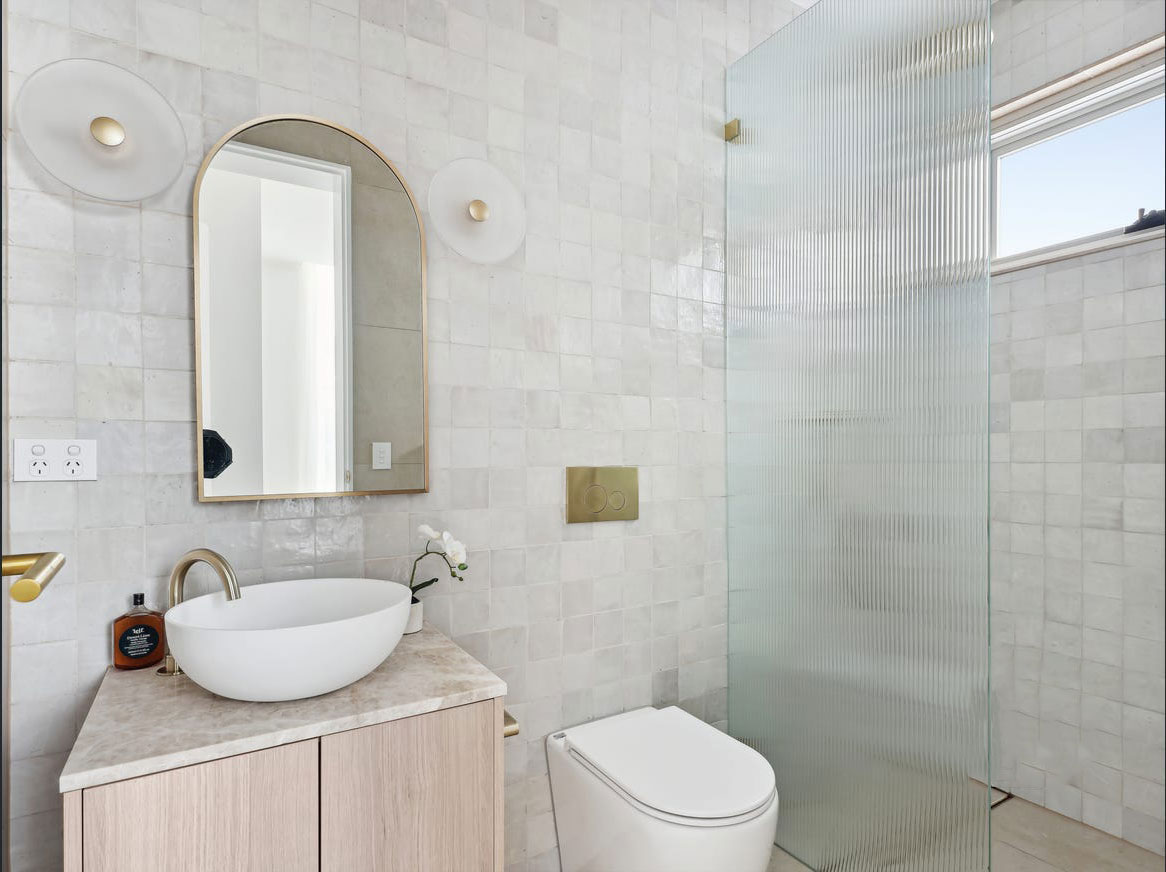
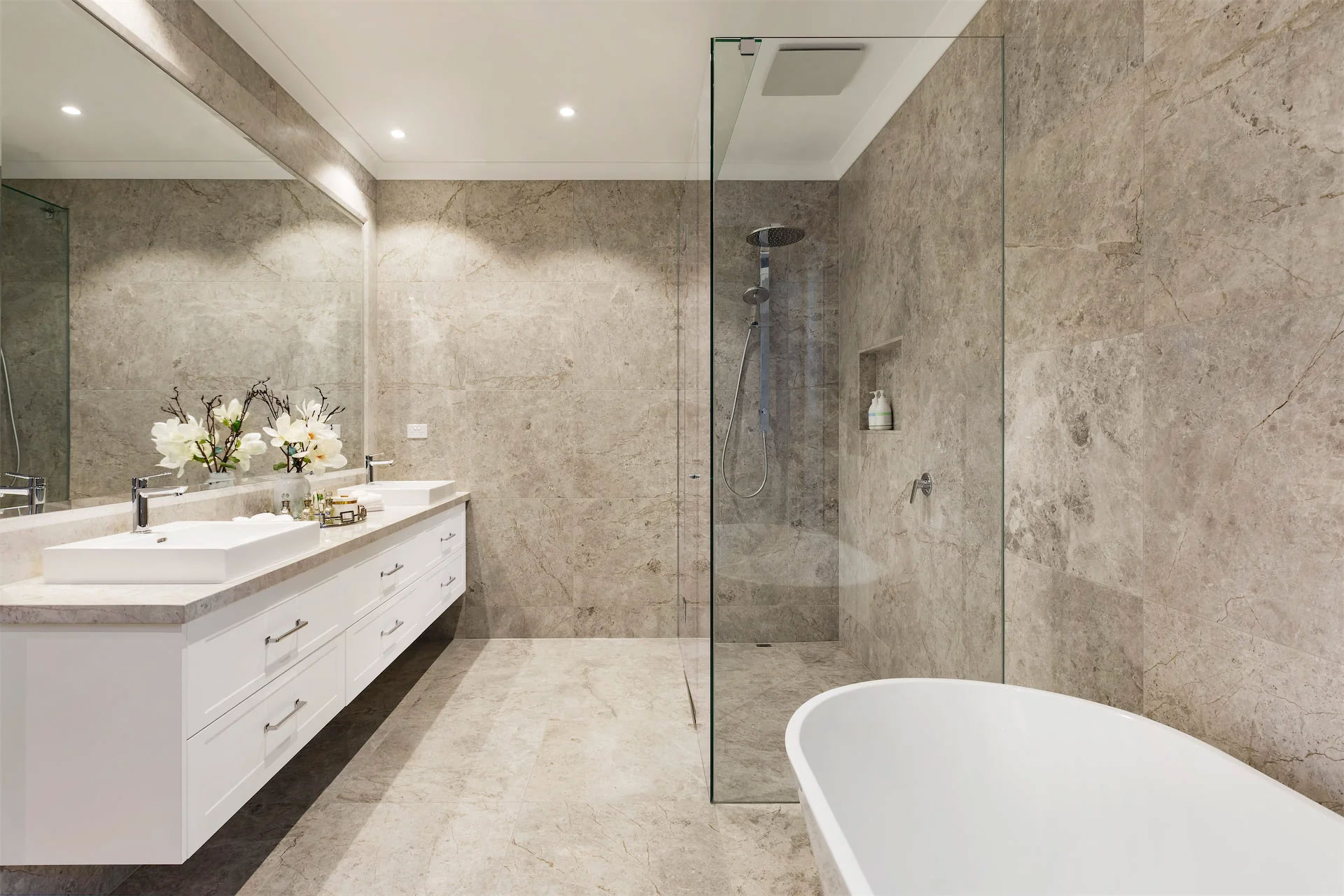
Zellige Marrone handmade zellige tiles used in a warm Australian modern bathroom with timber vanity and brass fixtures creating an earthy luxury interior.
Peter Yusuf - March 19, 2026

When customers come to us looking for tiles for wet areas, the first thing we explain is that it is not just about how they look. It is about how they perform once water is involved, whether that is stepping out of the shower, cleaning the kitchen, or dealing with everyday spills.

Slip resistance ratings tell you what is safe. Knowing what they mean helps you avoid problems down the track.

Understanding Tile Slip Resistance Ratings

In Australia, tile slip resistance is measured using two main rating systems: P-ratings and R-ratings. These are not arbitrary labels. They come from physical testing designed to reflect how tiles behave in real-life conditions, both barefoot and with shoes.

These ratings fall under AS 4586, the Australian Standard for measuring pedestrian surface materials’ slip resistance, which is the industry standard that all respectable tile producers use.

The P-Rating System tests barefoot slip resistance on wet surfaces when walked on barefoot running from P0 (basically an ice rink) to P5 (maximum grip).


P-Value Ratings:

P-Value
Slip Resistance
Recommended Areas
P0–P2
Low friction, unsafe for wet areas
Not recommended for wet zones
P3
Moderate friction
Occasional water exposure (powder rooms)
P4
High friction
Family bathrooms, showers
P5
Excellent friction
Wet rooms, commercial pool decks


The R-Rating System measures slip resistance when wearing shoes, ranging from R9 to R13.

R-Value Breakdown:

R-Value
Slip Resistance
Recommended Areas
R9
Low resistance
Dry indoor areas (e.g., bedrooms, offices)
R10
Moderate resistance
Residential kitchens, light wet areas
R11
High resistance
Bathrooms, entryways, laundries
R12
Very high resistance
Shower floors, wet rooms
R13
Excellent resistance
Commercial pool surrounds, high-moisture areas

The key is matching the rating to actual use. A powder room that rarely gets water on the floor doesn’t need the same rating as a family bathroom with three kids taking daily showers.

Under AS 4663, which addresses in-service conditions, slip resistance can also be retested for tiles that have previously been installed in your house. If you are evaluating existing floors or purchasing an older home, it is important to know this.

Tile Features That Enhance Slip Resistance

Four main factors determine how a tile performs underfoot when wet and they are all worth understanding before you make a purchase.


Slip resistant tile factors showing surface texture, tile size, material type and P & R ratings tested under AS 4586 in Australia

Choosing the Right Tiles for Each Area

Each space in your home needs a different level of slip resistance. Water exposure and foot traffic determine what works.

Bathrooms and showers thrive with higher slip ratings due to regular moisture. Tiles with P4 or P5 ratings and R10 or R11 classifications provide wonderful safety for these spaces. Textured porcelain or ceramic tiles in smaller formats work beautifully, offering a reliable grip that feels comfortable barefoot. 

Kitchen floor tiles balance slip resistance with ease of cleaning. R10/P3 ratings deliver excellent results for residential kitchens, providing great traction while allowing straightforward maintenance. Textured matte finishes handle everyday spills while maintaining their attractive appearance. One client running a home catering business in Paddington particularly appreciated how their R10-rated kitchen tiles managed constant activity beautifully.

Entryways, laundries and outdoor areas present unique opportunities. Sydney’s weather patterns mean entryways benefit from R11 ratings for reliable safety. Laundries experience regular moisture from washing machines and damp clothing, thriving with R10/P4 tiles. Outdoor patios and balconies face rain exposure and need R11/P4 minimum. Frost-resistant porcelain handles Sydney’s temperature swings and UV exposure year-round. 

Our showroom team demonstrates how different finishes respond to water, helping customers visualise real-world performance.

Best Materials for Slip-Resistant Tiles

Porcelain Tiles: The workhorse of wet areas. Dense, tough and grips in matte finishes, which is why family bathrooms love them.

Ceramic Tiles: An affordable cousin of porcelain that still gets the job done. Great for spaces that do not get soaked constantly.

Natural Stone: Want that luxury spa look? Slate, marble and travertine bring natural texture and serious grip; just factor in sealing costs.

Vinyl Tiles: Do not sleep on vinyl. It is most affordable, textured patterns work and you can DIY the installation on a Saturday afternoon.

Mosaic Tiles: All those grout lines are not just pretty. They are your secret weapon against slipping and it works best on shower floors, for example. 

Magazine and flower pot on white penny round mosaic tile floor Magazine and flower pot on white penny round mosaic tile floor mobile version

Slash prices, not your budget!

Enjoy savings of up to
50% on all the clearance items.

Slip-Resistant Coatings and Treatments

Already have tiles that are too slippery? Coatings offer an alternative to ripping everything out. Epoxy treatments and surface applications add texture that boosts grip without dramatically changing how the tiles look. They last about three to five years in busy areas before needing touch-ups. 

Keeping coatings effective means regular cleaning. Soap scum and grease buildup kill traction. Stick with mild cleaners; harsh chemicals or abrasive scrubbing wear the coating down faster. 

Slip Resistant Tiles That Combine Safety and Style

Slip-resistant tiles have come a long way from the rough, industrial finishes people often expect. Today, there are timber look planks, concrete effect tiles and natural stone styles that include built-in slip resistance without looking heavy or over-textured.

Matte finishes are now common in Australian homes and they look and perform better in wet conditions. Safety and appearance are no longer at odds. They work together.

For inspiration on incorporating slip-resistant options into stunning designs, exploring popular floor tile trends in Australia reveals how safety and style work together harmoniously in modern homes. At Royal Tiles, we have seen these trends evolve firsthand. Our Auburn showroom showcases the latest slip-resistant options that Sydney homeowners are choosing for both safety and style.

Choosing Slip Resistant Tiles for Sydney Home

Sydney’s climate throws particular challenges at flooring. Coastal properties deal with salt air that corrodes some materials over time. Sudden downpours mean entryways get soaked repeatedly. Outdoor tiles need to handle wet weather but also dry fast when the sun breaks through.

Tiles that are tested in accordance with AS 4586 slip resistance standards are essential for Sydney homes where wet conditions are common.

When people visit our showroom, the first thing they usually do is walk around barefoot on different tiles. Makes sense; you cannot judge slip resistance from photos. Seeing how water beads up or spreads out on a surface tells you more than any spec sheet. 

Need Slip-Resistant Tiles But Not Sure Where to Start?

Contact Royal Tiles and we will help you in understanding ratings, thinking through how you actually use each space and picking materials that suit Sydney’s conditions. 

We are at 255 Parramatta Rd, Auburn, just 25-35 minutes from the city. Our tile warehouse Sydney stocks slip-resistant tiles. Browse our tiles online to see options.

Royal Tiles helps homeowners throughout Tiles Sydney NSW, Central Coast NSW, Brookvale NSW and all across NSW choose safe flooring. Search “tile shop near me”, “floor tile shops near me”, or “tile warehouse near me” and come chat about slip ratings. If you are in Annandale, Chatswood or anywhere in New South Wales, we will bring samples so you can test them in your space.

Our team at Royal tiles will explain which slip ratings suit wet bathroom floors versus kitchen floors and everything that you want to know in detail.

Contact us for a free consultation.
Let us help you choose tiles that are both safe and stylish.

Frequently Asked Questions

What are slip resistant tiles?

Slip resistant tiles are designed to provide better grip underfoot, especially in wet areas like bathrooms, kitchens and outdoor spaces. They achieve this through surface texture, material type and tested slip ratings.

What is the difference between P rating and R rating?

P ratings measure slip resistance for barefoot use on wet surfaces, while R ratings apply to footwear on inclined surfaces. Both are tested under Australian Standard AS 4586 and are used for different environments.

What slip rating is best for bathrooms?

For bathrooms, tiles with a P4 or P5 rating are recommended due to frequent water exposure. These ratings provide higher grip and reduce the risk of slipping. For existing tiles, slip resistance can be assessed under AS 4663.

Are R10 tiles slippery?

R10 tiles offer moderate slip resistance and are suitable for kitchens and light wet areas. However, they may not provide enough grip for showers or high-moisture zones. Always match the rating to your specific space.

What tiles are best for outdoor areas in Sydney?

Outdoor areas in Sydney require tiles with at least an R11 or P4 rating due to rain and moisture exposure. Textured porcelain tiles are a popular choice for their durability, weather resistance and reliable grip.

Do slip resistant tiles require more cleaning?

Slip resistant tiles can hold more dirt due to their textured surface, but regular cleaning with mild detergent is usually sufficient. Avoid harsh chemicals or abrasive scrubbing, as these can reduce effectiveness over time.

Can I improve the slip resistance of existing tiles?

Yes, slip resistance can be improved using anti-slip coatings or surface treatments that add texture. These solutions are commonly used in bathrooms and outdoor areas and can enhance safety without replacing tiles.

What Australian standard applies to slip resistant tiles?

In Australia, AS 4586 governs slip resistance testing for new tiles, defining P and R ratings. AS 4663 applies to tiles already installed and is used to assess slip resistance in existing floors.

Peter Yusuf - Royal Tiles

Peter Yusuf

linkedin

Peter Yusuf is a seasoned Sales and Business Development Manager at Royal Tiles in Sydney, Australia, with a proven track record of success in the global architectural and interior design sectors. With over a decade of experience, he possesses a rich understanding of tile selection and design that has helped countless clients transform their spaces. Peter's expertise spans a wide array of materials and styles, positioning him as a trusted authority in the tile industry.

Green Tiles: The Complete Style Guide for Sydney Homes

Green Tiles: The Complete Style Guide for Sydney Homes

September 30, 2026

Green tiles cover more design territory in Sydney bathrooms and kitchens than most people expect. Sage green mosaics on a…

Cobblestone Pavers Guide:<br>Natural Stone & Porcelain Cobblestone Tiles

Cobblestone Pavers Guide:
Natural Stone & Porcelain Cobblestone Tiles

September 10, 2026

Cobblestone pavers are small-format natural stone or porcelain tiles used for driveways, courtyards, garden paths and selected poolside applications. Royal…

The Right Order to Choose Tiles for a Whole Home Renovation

The Right Order to Choose Tiles for a Whole Home Renovation

August 31, 2026

Planning an exciting whole home renovation for a soulful interior design? A whole-home renovation is the perfect chance to give…

Call Now